There’s something exhilarating about shopping online. The convenience of browsing dozens of stores from the comfort of your couch, the anticipation of delivery and the small thrill of finding a package waiting on your doorstep. When it all goes to plan, it’s easy to wonder why anyone would bother heading into a store at all.
But it’s the delayed shipping, the dress that looks nothing like the photos, the impossible returns process or the dreaded “final sale” policy that quickly reminds us of the downside of convenience. And suddenly, the appeal of wandering through the shops with a coffee in hand starts to feel enticing again.
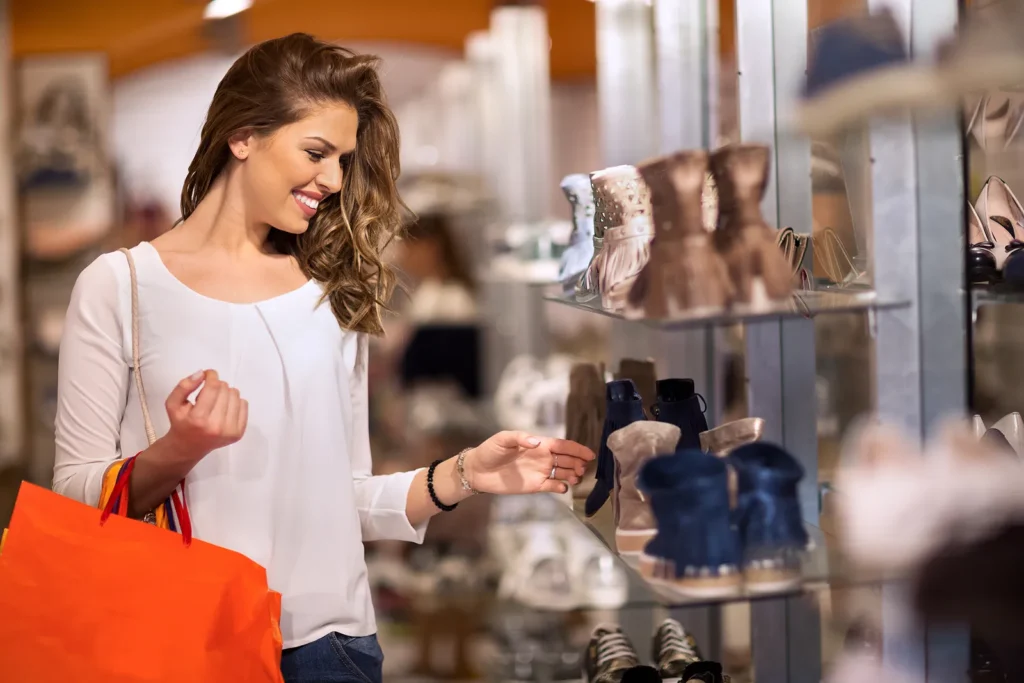
After more than a decade of rapid digitalisation, face-to-face shopping is making a comeback. Australians are increasingly craving real experiences, personalised service and human interaction over endless scrolling and checkout carts.
Nearly three in four Australians say they’ve changed their shopping behaviour in the past 12 months, with 61 per cent now preferring to buy non-essential items in store. While online shopping remains a major part of modern consumer life — particularly for younger generations — many shoppers are being drawn back to physical retail by the experience itself.
And there are some things online shopping simply can’t replicate.
There’s the instant gratification of walking out with your purchase that day. The ability to try something on properly, feel the fabric, compare colours in real lighting or ask someone for advice. In an era of rising living costs and increasingly enhanced online imagery, shoppers are becoming more cautious about where they spend their money. Seeing a product in person offers reassurance that no size chart or customer review can quite match.
Post-COVID, shopping centres briefly became places many people avoided altogether. Now, foot traffic is steadily returning, helped along by the redesign of retail spaces into lifestyle destinations that offer much more than shopping alone.
Many centres now incorporate wellness spaces, dining precincts, entertainment and flexible work areas, creating environments designed for people to spend time in rather than simply buy and leave. A quick trip to the shops has once again become lunch with friends, an outing with the kids or a slow Sunday morning wandering through stores after coffee.
But it’s not just major shopping centres benefiting from the shift.
As people increasingly seek connection and community, many are turning back toward small businesses and local retailers. Supporting independent stores, discovering locally made products and chatting with someone behind the counter offers a level of authenticity and trust that can feel difficult to find online.
The personalised service these businesses provide often transforms a simple purchase into something far more meaningful. Customers feel recognised and valued rather than treated like another transaction, and in a world where so much of life now happens through screens, that human interaction matters.
Of course, online shopping isn’t disappearing any time soon. Instead, retail is evolving into a hybrid experience where customers move seamlessly between digital convenience and in-store connection.
Click-and-collect services, dedicated pickup zones and weekend pop-up stores have become standard, while many online-first brands are increasingly appearing at local markets and temporary retail spaces. Studies show around 80 per cent of shoppers now actively use a combination of both online and in-store shopping, often researching products online before heading into stores to make the final purchase.
The future of retail no longer appears to be a choice between digital and physical shopping. Increasingly, Australians want both.
Because while convenience may have changed the way we shop, it turns out people still value the experience of shopping itself.