Skip to content

Health, well-being, lifestyle — Gold Coast quarterly.

Around the Home

Welcome to our comprehensive home and lifestyle section, where inspiration meets practicality in creating the perfect living environment.

Creating a harmonious home environment involves balancing aesthetics with functionality, especially when you're navigating the unique challenges of modern living. Our curated selection of home and lifestyle content explores diverse topics that provide practical insights, expert advice, and relatable experiences that can help you make informed decisions about your living space and personal choices that shape how we live, work, and relax in our personal spaces.

Sentimental Clutter: How to Let Go of Items Without Losing the Memories
Home

Sentimental Clutter: How to Let Go of Items Without Losing the Memories

  Styled to Sell Perfection is overrated – it’s not just something I tell myself and my clients; it’s something I truly believe. Most of us don’t want to live in a display home devoid of personality – our homes should reflect who we are and show off things we love. Living in clutter, however, has been shown to affect our mental and physical health, so how do we find balance? DECLUTTERED DOESN’T MEAN MINIMALIST. Decluttering is not the same as stripping everything back to essentials. It is removing unnecessary items from an untidy or overcrowded place, and only you can decide what is unnecessary. DON’T MISTAKE CLUTTERED FOR COSY. Hygge is the Scandinavian concept for cosy – time away from the rush, time to enjoy simple indulgent pleasures like candlelight and comfort food – it is more about slowing down and relaxing; cosy doesn’t involve surrounding yourself with ‘stuff.’ MY SELF-IMPOSED DECLUTTERING RULES. As a stylist and a sentimental person, I am tempted by beautiful things every day… So I have strict rules I follow – rules my family loves reminding me about (often). I also call in the experts sometimes. ONE THING IN, ONE THING OUT No matter what it is – whether it’s a new dress or a vase, if I bring it into the house, something must leave. A PLACE FOR EVERYTHING AND EVERYTHING IN ITS PLACE. Scissors in the kitchen drawer, passports in the filing cabinet – life is less stressful when you know where things are and saves you money by not buying multiples of one thing – sticky tape anyone? If your rice cooker needs to live in the laundry, then it’s time to clear a space for it in the kitchen where it belongs. If your house doesn’t have good storage there are beautiful baskets for children’s toys, vacuum bags for excess clothes, and beds with base storage – make storage your friend. HORIZONTAL SURFACES ARE FOR DISPLAYING, NOT STORING. Have a lovely console in your entrance? Display a bunch of flowers and bowl for keys – not every book you own or everyone’s hats and shoes. The same goes for dining tables, bedside tables and chairs in bedrooms – they are not wardrobes.   WE ALL HAVE EXCUSES NOT TO ROLL UP OUR SLEEVES AND GET STARTED. “I HAVE NO TIME”. Set your timer and put on some music – start with 15 minutes and one area, like the dining table. I promise you the sight of a table set for a lovely meal with friends will put a smile on your face every time you walk past it. Make sure you take before and after photos too – it’s good to be reminded of your progress.   “I’M TERRIBLE AT MAKING DECISIONS”. You don’t always have to throw things out – sorting them and putting them into a box and then out of sight to make the final decision later is ok. 12 months later, if you haven’t missed anything it’s highly unlikely you want or need them. – move them on. “MY WARDROBE IS A MESS, AND I DON’T KNOW WHERE TO START”. Fantastic Finds and Fabulous Things personal stylist Meaghan Smith suggests taking time to think about what clothes represent who you are now – pieces that work for you and your lifestyle. Once you’ve identified this, letting go of things is easy. “I HAVE SO MANY SENTIMENTAL THINGS; I WANT TO KEEP THE MEMORIES ALIVE”. Mel McNamara from A Place to Call Home came across this situation so many times over the years in her role as a stylist – she created a company that takes professional photos and documents the stories of the people and the memories created in the home and compiles a beautiful coffee table book that honours the memories and can be passed onto future generations. GIVE BACK There are many local charities that will be grateful to receive your donations. Regularly decluttering my boys’ toy boxes was easier once I explained to them that there are many children in our society that would love to receive things they had duplicates of or had outgrown. In my role volunteering for a charity that sets up havens for women and children displaced by family violence I have seen first-hand how your donations change lives.   SURRENDER AND ACCEPT. For those of you who like to be surrounded by walls full of photos, get lost in a mountain of cushions on the sofa and have your entire library of books piled up around you – embrace it. It’s your space and it should feed your soul. I’m off now to take a bag full of clothes to the local Salvos. Happy Styling Kylie

Sentimental Clutter: How to Let Go of Items Without Losing the Memories
Home

Sentimental Clutter: How to Let Go of Items Without Losing the Memories

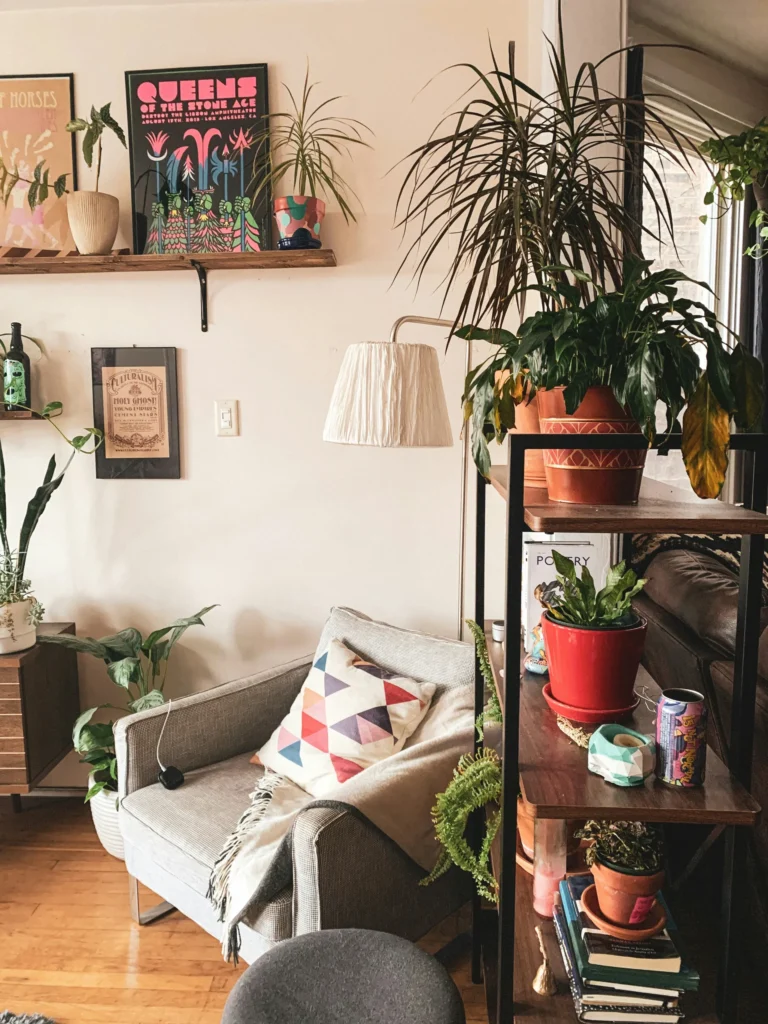
By Kylie Harding Styled to Sell  Perfection is overrated – it’s not just something I tell myself and my clients; it’s something I truly believe.  Most of us don’t want to live in a display home devoid of personality – our homes should reflect who we are and show off things we love. Living in clutter, however, has been shown to affect our mental and physical health, so how do we find balance? DECLUTTERED DOESN’T MEAN MINIMALIST. Decluttering is not the same as stripping everything back to essentials. It is removing unnecessary items from an untidy or overcrowded place, and only you can decide what is unnecessary. DON’T MISTAKE CLUTTERED FOR COSY. Hygge is the Scandinavian concept for cosy – time away from the rush, time to enjoy simple indulgent pleasures like candlelight and comfort food – it is more about slowing down and relaxing; cosy doesn’t involve surrounding yourself with ‘stuff.’ MY SELF-IMPOSED DECLUTTERING RULES. As a stylist and a sentimental person, I am tempted by beautiful things every day… So I have strict rules I follow – rules my family loves reminding me about (often). I also call in the experts sometimes. ONE THING IN, ONE THING OUT No matter what it is – whether it’s a new dress or a vase, if I bring it into the house, something must leave.  A PLACE FOR EVERYTHING AND EVERYTHING IN ITS PLACE. Scissors in the kitchen drawer, passports in the filing cabinet – life is less stressful when you know where things are and saves you money by not buying multiples of one thing – sticky tape anyone? If your rice cooker needs to live in the laundry, then it’s time to clear a space for it in the kitchen where it belongs. If your house doesn’t have good storage there are beautiful baskets for children’s toys, vacuum bags for excess clothes, and beds with base storage – make storage your friend. HORIZONTAL SURFACES ARE FOR DISPLAYING, NOT STORING. Have a lovely console in your entrance? Display a bunch of flowers and bowl for keys – not every book you own or everyone’s hats and shoes. The same goes for dining tables, bedside tables and chairs in bedrooms – they are not wardrobes.   WE ALL HAVE EXCUSES NOT TO ROLL UP OUR SLEEVES AND GET STARTED. “I HAVE NO TIME”. Set your timer and put on some music – start with 15 minutes and one area, like the dining table. I promise you the sight of a table set for a lovely meal with friends will put a smile on your face every time you walk past it. Make sure you take before and after photos too – it’s good to be reminded of your progress.    “I’M TERRIBLE AT MAKING DECISIONS”. You don’t always have to throw things out – sorting them and putting them into a box and then out of sight to make the final decision later is ok. 12 months later, if you haven’t missed anything it’s highly unlikely you want or need them. – move them on.  “MY WARDROBE IS A MESS, AND I DON’T KNOW WHERE TO START”. Fantastic Finds and Fabulous Things personal stylist Meaghan Smith suggests taking time to think about what clothes represent who you are now – pieces that work for you and your lifestyle. Once you’ve identified this, letting go of things is easy.  “I HAVE SO MANY SENTIMENTAL THINGS; I WANT TO KEEP THE MEMORIES ALIVE”. Mel McNamara from A Place to Call Home came across this situation so many times over the years in her role as a stylist – she created a company that takes professional photos and documents the stories of the people and the memories created in the home and compiles a beautiful coffee table book that honours the memories and can be passed onto future generations. GIVE BACK There are many local charities that will be grateful to receive your donations. Regularly decluttering my boys’ toy boxes was easier once I explained to them that there are many children in our society that would love to receive things they had duplicates of or had outgrown. In my role volunteering for a charity that sets up havens for women and children displaced by family violence I have seen first-hand how your donations change lives.   SURRENDER AND ACCEPT. For those of you who like to be surrounded by walls full of photos, get lost in a mountain of cushions on the sofa and have your entire library of books piled up around you – embrace it. It’s your space and it should feed your soul.  I’m off now to take a bag full of clothes to the local Salvos. Happy Styling!

Feng Shui for Calm Homes: Reduce Overstimulation & Stress
Home

Feng Shui for Calm Homes: Reduce Overstimulation & Stress

By Suzanne Butler from Harmonising Energies Feng Shui Styling for mental wellbeing through feng shui In a world of constant notifications, emotional demands and pressure to always be “on”, many of us are living in a near-permanent state of nervous system overload. While therapy, mindfulness and healthy boundaries all play an important role, there is another influence quietly shaping how we feel each day – our home environment. From a feng shui perspective, your home is more than just a place to live. It is an energetic extension of you. When a space feels chaotic or misaligned, even the best self-care routines can struggle to take hold. A calm home does not just look peaceful, it helps regulate how you feel. Feng shui and the nervous system Long before modern neuroscience explored the connection between environment and mental wellbeing, feng shui recognised the powerful relationship between space and emotion. When a home feels out of balance, people often notice subtle shifts in how they experience daily life — difficulty switching off at night, restless sleep, irritability or a lingering sense of unease. These responses are not always personal shortcomings; sometimes they are simply signals that the environment is not supporting the nervous system as well as it could. Calm is flow, not minimalism One of the biggest misconceptions about calm interiors is that they need to feel stark or minimalist. From a feng shui lens, an overly empty space can feel just as unsettling as one that is cluttered. True calm comes from balance rather than absence. A feng shui-aligned home focuses on gentle flow and comfort. Furniture placement should allow easy movement through a room, helping energy circulate naturally. Key pieces such as beds and desks are ideally positioned so you can see the doorway without being directly in line with it, creating a sense of ease and awareness. Balance between yin and yang is also important. Too much brightness or activity can feel agitating, while heavy, dark spaces may feel stagnant. Rugs, artwork and thoughtfully grouped furniture can help create a sense of containment, allowing the body to relax and feel held within the space. Colour, light and sensory load Colour plays a powerful role in how a room feels. Highly saturated tones or excessive contrast can feel overstimulating, particularly in bedrooms, living areas and workspaces. That does not mean avoiding colour altogether, it simply means using it with intention and balance. Similarly, lighting has a profound impact on mood. Harsh overhead lighting can keep the body in a state of alertness, while layered lighting allows your home to support different rhythms throughout the day. Bright light can encourage focus and energy, while softer, warmer tones help signal rest. When clutter becomes emotional noise Clutter is not just a visual issue. In feng shui, unused or broken items, emotionally charged objects or belongings tied to past versions of ourselves can create energetic noise. Even when we stop consciously noticing them, our nervous system continues to register their presence. A calm home does not need to be spotless or minimal. Instead, it feels clear, intentional and supportive of who you are today. A home that supports, not performs It is easy to create a space that looks beautiful on the surface yet feels oddly uncomfortable to live in. True wellbeing comes when a home supports both rest and productivity, reflects your current life and allows you to soften rather than brace. Calm is not about buying more or chasing perfection. Often, it begins with small shifts like moving furniture, adjusting lighting or letting go of what no longer serves you. When a home feels aligned, it becomes more than a showpiece. It becomes a quiet source of support in an overstimulated world.

FOR ART’S SAKE
Home

FOR ART’S SAKE

Artwork has a quiet way of transforming a space. The right piece can soften a room, add depth, or tell a story about who you are and where you have been. Yet many people find themselves asking the same questions: What art should I buy? Where do I find it? And once I have it, where does it actually go? While art should always reflect your personal style, there are a few simple considerations around size, scale and placement that help a piece feel naturally at home within a space. When those details are right, the room instantly feels more balanced and complete. Where to start Take a look around your home. Are there walls that feel sparse or lacking personality? If you are unsure, try taking photos of your rooms and viewing them as a two-dimensional image. Seeing the space from a different perspective often makes it easier to spot areas where artwork could add interest and elevate the overall look. Why add art? Art has the power to set the tone of a room. It can feel elegant, playful, cultured or calming, depending on the pieces you choose. Artwork might reflect your personality, celebrate your travels or simply introduce colour and texture. Even a single thoughtfully placed piece can transform the atmosphere of a space. Make it personal Some of the most meaningful displays come from your own memories. Travel photographs, favourite family moments or meaningful milestones can create a beautiful gallery wall while keeping special experiences front of mind. Framed movie posters from a local cinema or concert tickets from a memorable night out are also creative ways to showcase your interests and spark conversation when guests visit. Think outside the box Artwork does not always need to be a traditional canvas. Macramé wall hangings, vintage rugs or even textiles such as kimonos can look striking when displayed on a wall. These unexpected pieces add texture, warmth and a sense of individuality to a room. The power of framing Never underestimate the impact of a good frame. When displaying a collection of photos or prints, sticking to one or two frame styles helps create a cohesive look. Classic black or white frames often feel timeless and allow the artwork itself to remain the focus.

The Command Centre Every Mother Deserves: Meet The Skylight Calendar
Home

The Command Centre Every Mother Deserves: Meet The Skylight Calendar

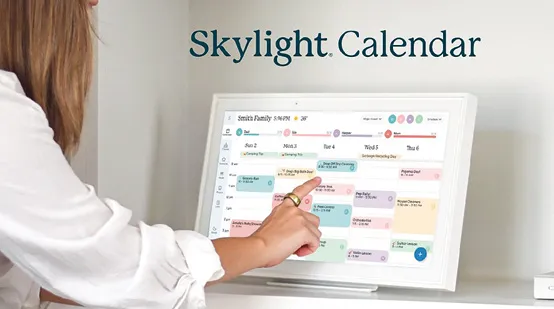
There is a specific kind of “mental load” that comes with modern motherhood. It’s the invisible weight of remembering that Tuesday is library day, Thursday is soccer practice and digging through the depths of your inbox for a school PDF with the exact time of the choir assembly. For many mothers, the family “command centre” is still a messy fridge covered in magnets or a frantic scroll through emails. A digital calendar like Skylight offers a more visible, shared way to keep a household on track. Designed to help families stay in sync, it can reduce some of the day-to-day friction that comes with managing multiple schedules, appointments and responsibilities. With Mother’s Day approaching, it fits naturally into the category of gifts that feel both thoughtful and genuinely practical. Beyond the basic schedule At first glance, the Skylight Calendar is a 15-inch HD touchscreen designed to sit comfortably in a kitchen or shared family space. But its value lies less in how it looks and more in how it functions within a busy household. Unlike traditional apps that stay tucked away on individual phones, a digital calendar in a central location creates a shared point of reference for the whole family. It can sync with platforms such as Google, iCloud, and Outlook, helping bring multiple schedules into one place. With dedicated Family Profiles, each person has their own colour, making it easier to see at a glance who needs to be where and when. The two-way sync also means changes made on a phone during the day can be reflected on the screen at home, which can help reduce the back-and-forth that often falls to one person to manage. Solving the dinner dilemma The most common questions in any household is “What’s for dinner?” Having meal planning built into the same family hub can make everyday decisions feel a little less scattered. Skylight allows users to map out breakfast, lunch and dinner for the week, which can help take some of the pressure off last-minute planning. There are also features designed to make meal organisation more manageable. Using the Fridge Photo function, families can take photos of what they already have and receive recipe suggestions based on those ingredients. Recipes from magazines, handwritten cards or screenshots can also be added digitally using Magic Import, helping to keep everything in one place. For mothers carrying the cognitive load of planning meals, shopping and prep, small systems like these can make a meaningful difference. Motivating the little humans Another challenge many mothers face is not just keeping track of what needs to be done but reminding everyone else to do their part. The Interactive Chore Chart is designed to give children more visibility over their own routines, allowing tasks to be clearly displayed and ticked off once completed. For some families, that can help shift chores from being constant verbal reminders to something more independent and consistent. For households using the Plus plan, the Star-Powered Rewards system adds an extra layer of motivation, with children earning stars for completing tasks and working towards small rewards. More broadly, it can support a stronger sense of shared responsibility at home and make the invisible work of running a household a little more visible to everyone. A gift that keeps on giving When it’s not being used as an organisational tool, the Skylight Calendar can also display family photos, allowing it to feel like a natural part of the home rather than just another piece of tech. As Mother’s Day approaches, useful gifts often resonate more deeply than symbolic ones. A digital calendar like Skylight does not claim to solve the complexities of motherhood, but it can help ease some of the small, cumulative stresses that build up over time. By creating one central place for schedules, meals, chores and reminders, it offers mothers something many of them need more of: a little more clarity, and a little less mental clutter. It is now available for purchase at JB Hi-Fi and the Skylight website. au.myskylight.com/calendar

Create an outdoor area you’ll use all year round
Home

Create an outdoor area you’ll use all year round

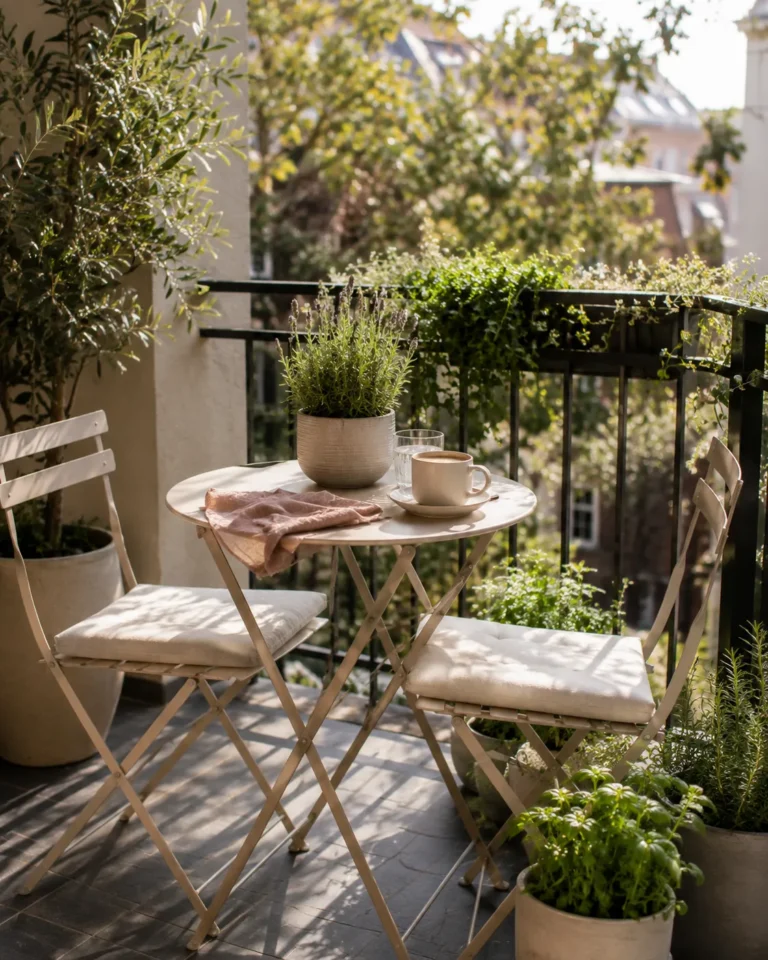
By Kylie Harding  No matter where you live in Australia, we all love the idea of entertaining outside. Whether you have a balcony, courtyard or a full backyard, the key to creating a space you’ll enjoy year-round is thoughtful planning and a few smart design choices.  Decide how you’d like to use the space Do you have young children who want to ride their tricycles around? Do you love hosting family and friends, or are you a couple looking for a quiet place to unwind? Deciding how you’ll use your outdoor area will guide every decision—from flooring and furniture to whether you need a roof, heating or cooling, and what finishes and fittings will work best. This is also the time to plan for practicalities such as power points, lighting, and plumbing for water or gas.  Bring the inside out Your outdoor area should feel like an extension of your home. Mirroring your interior style outside creates flow and connection. If you have a soft, neutral palette indoors, stick with similar tones outdoors. If you love colour, let it continue outside too. Extending your flooring—such as tiles or timber—into the outdoor area creates a seamless transition. Glass doors that slide or fold open will also help blur the boundaries between indoors and out, creating a beautiful sense of space.  Give me shelter Having some form of roof or cover will ensure you can use your outdoor space all year round—rain, hail or shine. Options range from simple sail shades to adjustable louvred roofs, catering to every style and budget. Side blinds can also help protect from rain or harsh sun, creating a true outdoor room that’s comfortable in any season.  Accessorise Pot plants, cushions and candles add warmth and character. Choose heavy pots that won’t topple in the wind and opt for outdoor-friendly fabrics to prevent mould or fading. Practical additions like heaters, ceiling fans, speakers, TVs or even pizza ovens can turn your outdoor area into a space you’ll actually use.  Creating an outdoor space you can enjoy year-round is about more than furniture or plants—it’s about designing a setting that invites you to slow down, connect and enjoy every season. With a few thoughtful touches, your outdoor area can become the most loved “room” in your home.  Happy styling, Kylie @styledtosell

Summer Interior Design Trends 2026
Home

Summer Interior Design Trends 2026

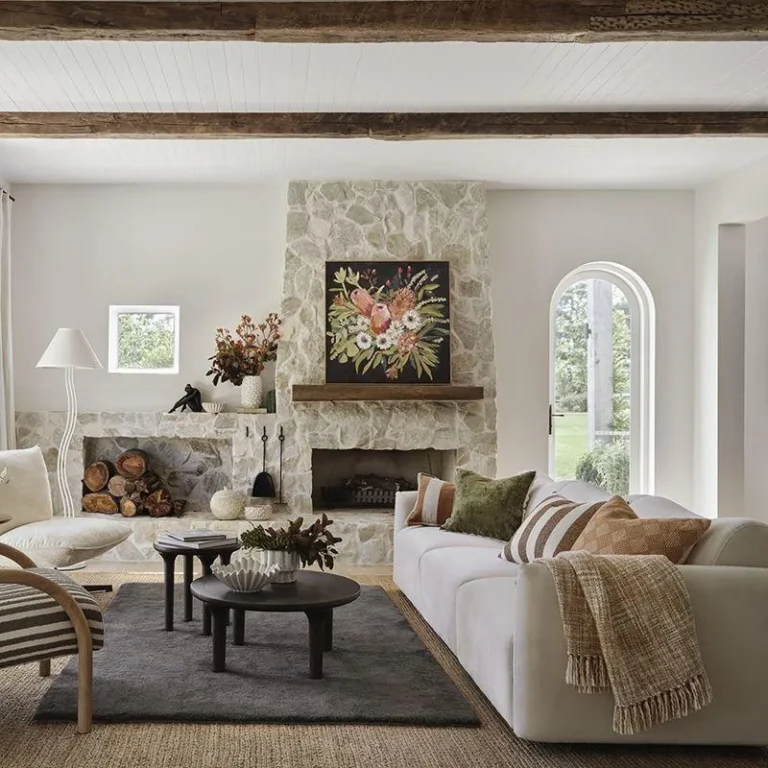
Summer is heating up, and so are our interiors. This season is all about creating spaces that feel effortless, inviting and full of personality. Whether you’re refreshing one room or giving your whole home a mini makeover, 2025’s trends bring together warmth, texture and soft, organic shapes. Think natural materials, sun-washed colours and lighting that feels as gentle as a summer evening. Here’s what’s making waves this season.  Californian bungalow While the classic Hamptons palette will always have a place, this summer we’re seeing a shift toward the more relaxed charm of the Californian bungalow. It’s coastal, yes, but with extra warmth and playfulness. Blue and white are no longer the only go-to tones. Instead, think sandy neutrals layered with pops of mustard, peach and coral. Bouclé, linen and rattan add soft texture, while indoor greenery and woven accessories help ground the look. The result is a beach-inspired sanctuary that feels bright, lived-in and effortlessly summery, ideal for long lunches or slow weekend afternoons.  Curvaceous design Curves are back in a big way, and this time, they’re sticking around. Rounded sofas, soft silhouettes and sculptural edges bring a modern interpretation of the 70s into contemporary spaces. From arched doorways and oval mirrors to curved cabinetry handles, these shapes create flow and calm throughout the home. The trick is to keep balance: pair curvy pieces with simple, minimal backdrops so the space feels soothing rather than crowded. These soft lines make rooms feel more welcoming while still looking polished and current.  Mediterranean stoneware Nothing captures summer quite like the Mediterranean: warm terracotta, rustic stone and sun-kissed textures. Bring those holiday vibes into your home with natural materials like travertine, terrazzo and unfinished pottery. A handcrafted terracotta pot or a heavy stone bowl can add instant earthy charm. For a bolder statement, consider a travertine coffee table or a textured plaster wall. These pieces celebrate natural imperfection, reminding us that beauty often lies in the raw, the grounded and the unrefined.  Low lighting And finally, the biggest shift: ditching the “big light.” Overhead lighting can feel harsh, especially on warm summer nights. Instead, embrace low, warm illumination that mimics the soft glow of sunset. Scatter candles on the dining table, add petite lamps to shelves or bedside tables, or try dimmable wall sconces. Smart bulbs let you adjust colour and intensity depending on your mood, golden tones for entertaining, soft amber for winding down. This layered approach transforms your home into a calm, cosy retreat.  Summer 2025 interiors are all about balance, blending texture, colour and shape to create spaces that feel as bright, breezy and beautifully relaxed as the season itself.    Images courtesy of Luxuflex

A Feng Shui Christmas: The dos and don’ts for a joyful, balanced festive season
Home

A Feng Shui Christmas: The dos and don’ts for a joyful, balanced festive season

By Suzanne Butler  As the year draws to a close and Christmas lights begin to twinkle, our homes become the heart of celebration. Yet beneath the tinsel and tree lies something deeper — the energy that shapes how we feel, connect and experience the season. Feng Shui, the ancient Chinese art of harmonising energy, offers timeless wisdom to help you create a space that feels calm, abundant and full of joy.  Here’s how to bring balance to your festive season with a few simple dos and don’ts.  Do: Decorate with intention Before pulling out the decorations, clear clutter and release what’s no longer serving you. Stagnant energy lingers around piles of “stuff”, creating tension and fatigue. Choose décor that genuinely lifts your mood. A mindful approach keeps your space light and full of festive flow.  Don’t: Overcrowd your space Too many decorations can block energy and heighten stress. Aim for open movement in your living and dining areas — spaces where emotions (and sometimes opinions) tend to rise. When energy flows smoothly, so do conversations, making it easier to prevent awkward moments or family drama over dinner.  Do: Use red and gold wisely Red and gold aren’t just festive — they’re powerful Feng Shui colours. Red symbolises Fire energy — joy, warmth, passion — while gold represents the Metal element, bringing focus and success. Use them in balance: too much red can spark tempers (especially from chatty uncles after their second drink), while gold brings calm refinement. Think balance, not blaze.  Don’t: Block the front door Your front door is the “mouth of Chi”, the main entry for energy — and guests. Keep it open, bright and clutter-free. A wreath made from natural greenery invites harmony, while gentle lighting encourages a peaceful welcome. This simple act also prevents family tension from “getting stuck” at the door — the energetic equivalent of stopping arguments before they start.  Do: Position your tree with purpose Your Christmas tree symbolises growth and vitality. Placing it in the east boosts family harmony, the southeast attracts wealth and the south enhances reputation and joy. Avoid the northwest if you can, as it may trigger stubborn or dominant energy (looking at you, Uncle Kevin). A balanced tree equals a balanced table conversation.  Don’t: Use sharp or harsh decorations Spiky ornaments, pointy branches or glittering stars aimed like darts can create “cutting Chi”, leading to irritability or tension. Choose rounded shapes, soft lighting and smooth textures to maintain a gentle, welcoming atmosphere — the antidote to festive feuds.  Do: Bring nature indoors Balance the high-energy buzz of Christmas with grounding, natural touches. Fresh pine, eucalyptus or even a small potted plant connects your home to the Wood element, encouraging growth and calm. A bowl of fruit or flowers on the table can help keep emotions sweet rather than sour.  Don’t: Forget gratitude and intention The strongest Feng Shui tip of all? Set your intention. As you decorate, reflect on what you’re grateful for and what you’d like to call in for the new year. Write those wishes and tuck them beneath the tree — a symbolic gesture of peace, abundance and family unity.  This Christmas, let Feng Shui guide you beyond the decorations and into the energy that truly matters — harmony, connection and calm. Because when your home is balanced, even Uncle Kevin can’t shake your festive spirit.

Feng Shui your way to a better bedroom
Home

Feng Shui your way to a better bedroom

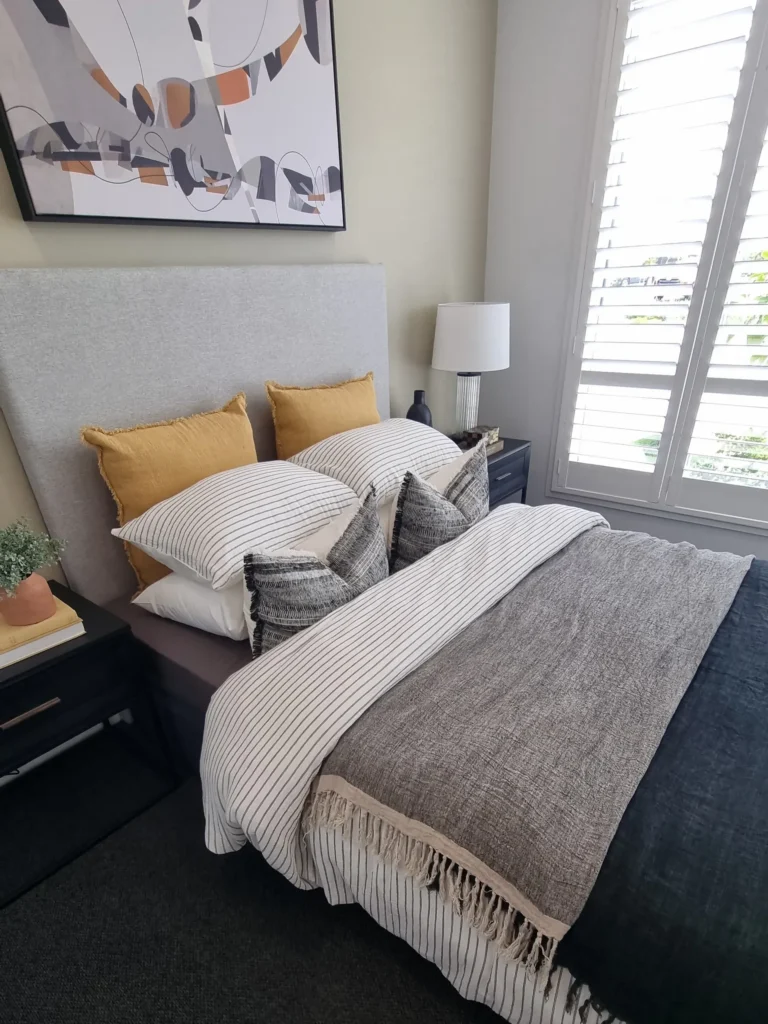
By Suzanne Butler from Harmonising Energies Feng Shui Your bedroom is your sanctuary—a place for sleep, love, and intimacy. However, as a Feng Shui practitioner, I often encounter elements in bedrooms that negatively impact those who reside in them. From the disappearance of intimacy in a relationship to difficulties in finding a suitable partner, and even a lack of quality sleep, several factors in your bedroom’s décor and arrangement can affect your well-being. Here’s how to transform your bedroom into a true sanctuary. Absent Intimacy Take a moment to examine your bedroom. What do you see? Are there photos of your children or family on your chest of drawers or bedside cabinets? These images, while meaningful, can energetically feel like voyeurism, with your family or friends “looking on.” To foster intimacy, move these photos to the East area of your home, which is the Family zone according to Feng Shui principles. Fruitless Dating Are you struggling with dating—either not getting dates or not progressing beyond the initial stages? Your bedroom decor might be the culprit. Look around: Do you have many images of yourself alone? Does the artwork suggest partnership or eternal singledom? For inviting love, your decor should reflect partnership. Ensure you have pairs of items, such as matching bedside cabinets and lamps. Additionally, remove anything that reminds you of an ex. Creating space for a partner, both physically and symbolically, is crucial. Constant Exhaustion Whilst having an exercise bike or treadmill in the bedroom might seem convenient for morning workouts, these items can actually create unnecessary exhaustion. Being constantly reminded of an activity that requires motivation and effort can drain your energy, leaving you too tired for other “fun” things in the bedroom. Similarly, working in bed can disrupt your rest. If you must have an office space in your bedroom, make sure you can block it off at the end of the day with a screen or cover it with something like a sarong. This separation helps keep work out of your sleeping space, promoting better rest and relaxation. Bed Don’t worry, I didn’t miss the most crucial part. Your bed. There are a lot of questions about bed placement, and it is something that I debunk often. There are going to be one or 2 places only that you can put your bed and for the most part it will be obvious. What you do need however, is a solid headboard to provide you with support and, nothing above your bed. Having art above the bed provides the energy of negativity hanging over you. It can disturb sleep and also create pressure in relationships. And finally, take the time to upgrade. When it comes time to buy new linen, step up to the next level. You spend nearly 50% of your life in your bed, make sure it’s comfortable. If any of these issues resonate with you, take a closer look around your bedroom. You might be surprised by the small changes that can have a significant impact on your sleep and intimacy.   Relationships are already a lot of consistent work, lets take one lot of concerns off the table. Balance your bedroom and balance your love life.  

6 Industry Tips to Make Your Home Look Luxurious Without the Price Tag
Home

6 Industry Tips to Make Your Home Look Luxurious Without the Price Tag

By Kellie Richardson Revamping your home’s décor doesn’t have to come with a hefty price tag. With these insider tips from interior design expert Kellie Richardson, you can give your space a high-end look without breaking the bank. Define Your Style One of the most common mistakes people make is mixing too many design styles, which can make a home feel disjointed. To avoid this, focus on choosing one consistent style that reflects your lifestyle and taste. Start by gathering inspiration from online platforms, magazines, or home tours. If you’re feeling overwhelmed, consider consulting an interior designer to help refine your vision and offer expert advice on making your ideas come to life. This initial investment can save you stress later and ensure your home feels cohesive and comfortable. Shop Second-Hand for Hidden Gems You don’t need to spend big on brand-new designer furniture to create a luxe feel. Sites like Facebook Marketplace, Gumtree, and local op shops are treasure troves for high-quality, often designer, furniture at a fraction of the retail price. Sellers often part with items for a variety of reasons, so with some patience and persistence, you can snag unique statement pieces that bring character to your space. Don’t be afraid to negotiate prices for an even better deal. Embrace Budget-Friendly Chains Affordable retailers like Kmart and Big W have stepped up their game when it comes to trendy home décor. These stores offer designs that mimic high-end furniture at a much lower cost, making it easy to give your home an updated, stylish look on a budget. Their stock changes frequently, so it’s worth checking in regularly for new finds that complement your existing style. Mixing a few of these budget pieces with other high-quality items can help achieve a designer look without the designer price tag. Upcycle for a Custom Touch Upcycling is an excellent way to breathe new life into old furniture, giving it a custom, high-end look. A fresh coat of paint, new hardware, or creative reimagining can transform a tired piece into something modern and stylish. Platforms like Pinterest or TikTok are full of upcycling ideas, from simple makeovers to more ambitious projects. Not only is this a cost-effective way to refresh your home, but it also allows you to create one-of-a-kind pieces that reflect your personal style. Prioritise Investment Pieces When decorating on a budget, it’s important to know where to spend and where to save. Larger, everyday pieces like sofas and beds are worth investing in for comfort and durability. Once you’ve secured these foundation pieces, you can accessorise more affordably. Decorative items like throw pillows, vases, and artwork don’t need to be expensive to make an impact. By layering inexpensive accents, you can elevate a room without overspending on the finer details. Use Neutrals as a Base with Seasonal Pops of Colour Neutral tones are timeless and versatile, making them an ideal foundation for your home’s interior. Furniture in soft greys, whites, or beiges will never go out of style and can be dressed up or down depending on the season. To keep your space feeling fresh, introduce pops of seasonal colour through accessories like cushions, rugs, or artwork. These are easy to change as trends evolve, allowing you to update your space regularly without committing to bold, permanent choices. Stick to Your Budget Without Sacrificing Style Many people think that achieving a high-end look requires a large budget, but with smart shopping and a few creative touches, you can create a stylish space at a fraction of the cost. By mixing and matching designer bargains with affordable chain-store finds, and incorporating DIY projects or upcycled pieces, you can achieve a luxurious look without breaking the bank. Accessories such as vases, throw pillows, and ornaments are a cost-effective way to stay on trend and refresh your home whenever the mood strikes. With these tips, you’ll be able to give your home a luxurious makeover without the stress or expense—proving that style and budget can go hand in hand.

Colour Your World – How to use colour in your home
Home

Colour Your World – How to use colour in your home

By Kylie Harding   Colour is an easy way to create instant impact, change a mood or inspire, from creating a soothing space to a vibrant vibe – colour is your tool of choice. Colours have a strong psychological impact and can affect how we feel. Restaurants know that red increases your appetite (McDonalds anyone?), while green creates a calm environment – think green grass and forests. Blues evoke serenity – hospitals often choose soft blue walls because they are soothing and peaceful, while yellow is cheerful and bright – like a kiss of sunshine. When choosing colour for your home, it’s important to consider what feel you want to create in each space. HOW TO INTRODUCE COLOUR IN YOUR HOME: Colour should be used as an accent so before you rush out to buy a huge tin of paint, take a step back and try this. FEATURE WALL: Rather than paint an entire room, try adding a new colour to one wall. WALLPAPER: Like paint, using wallpaper on one wall can have great impact. MANCHESTER AND SOFT FURNISHINGS: Introduce colour in a new doona cover for your bedroom or cushions for your sofa without breaking the budget. ACCESSORIES AND HOMEWARES: A red kettle, colourful abstract art and rugs are wonderful ways to lift a room. FURNITURE: If you’re renting this is a particularly good way to introduce depth and interest with colour – consider bright sofas or start off with an armchair in a vibrant colour. FIXTURES: If you’re confident, commit. Tiles add colour and texture to floors and walls, gold taps in a bathroom adds a lux feel, black handles on your white kitchen cupboards create a classic contrast. DOPAMINE DÉCOR: Colour, comfort and charisma – dopamine decor is bold and brave. This form of styling uses vibrant colours to energize a home creating a whimsical and quirky space. REFLECT THE SEASON: In summer, I like to use cool colours as accents in my bedding and cushions – blues and greens create a cool visual vibe while in winter terracotta and gold tones warm up my space. This also ensures you won’t grow tired of your look. The takeaway? Have confidence and don’t be afraid to use colour in your home but if you’re not sure, start small – accessories like vases and cushions are a great way to begin. Investing in the services of a stylist can save you money and time by assessing your needs and guide you in the right direction. IMPORTANT: Remember – too much is too much. If a room has a blue sofa, blue rug and blue feature wall it will blend in together and get lost. Some blue cushions on a wheat coloured sofa for example will create a contrast and have a stronger impact. Happy styling! @styledtosell Images courtesy of Pixabay

Do you have a glass pool fence or balcony?
Home

Do you have a glass pool fence or balcony?

Transform your outdoor area into a social, inviting space. Plonkit are Poolside and Balcony tables designed to hang on your glass pool fence or balcony.. Plonkit is the perfect table to ‘plonk’ your things while you’re having a swim, cooking the barbie, relaxing on the balcony, or just soaking up some sun and will not damage the glass. Put two side-by-side to create more space. How does it work? Stylish and convenient. Engineered to hold 8kg with ease, the Plonkit is the perfect spot to safely plonk food, drinks, sunscreen, tongs, sunnies, phones, and anything else without any hassle. Weatherproof and maintenance free Australian owned and manufactured – crafted from recyclable material. We pride ourselves on a quality product and our friendly customer service. https://plonkit.com.au/