Words: Gabrielle Newman, ‘The Fast 800’ programme Nutritionist
With the current cost of living and the price of healthy food on the rise, we know how frustrating it can be to throw away forgotten foods from the back of the fridge.
Not only is it costing you money, the environmental impact is huge with annual food wastage totalling approximately 1.3 billion tonnes (that’s one trillion three hundred billion kilos!). Almost half of the fruit and vegetables produced worldwide fall within this number.
Understanding how to preserve the freshness of your fruit and veg can save you time, money and be more nutritious. As a Nutritionist for The Fast 800 programme, here are my top tips to extend the life of fresh produce and minimise food waste.
1. Separate high-ethylene producing fruit
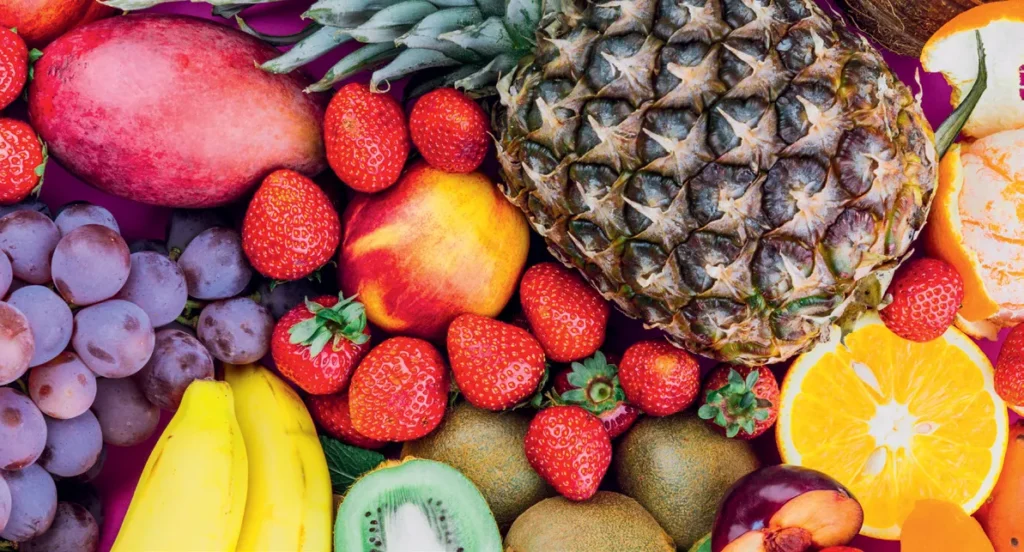
Ethylene is a natural gas produced by fruit and can accelerate the ripening process of ethylene-sensitive fruit and vegetables. To prevent this from happening, keep fruit that is high in ethylene gas like apples and bananas separate from your other fruit and veg (unless you’re trying to speed up the ripening of your avocados).
2. Invest in storage containers with airtight seals
Investing in quality storage containers will slow down the oxidation process and preserve nutritional content. Airtight containers create a protective barrier that helps maintain the purity of the produce – glass is ideal, but any container will do. This simple switch can make a significant difference in extending the shelf life of your fresh fruits and vegetables.
3. Tailor the temperature of your storage
Different types of fruits and vegetables thrive in varying temperature conditions, so by tailoring the temperature of your storage you can significantly prolong freshness. For example, tomatoes are best stored at room temperature, while leafy greens prefer cooler environments.
4. Shop smarter
Smart shopping is a key component; reducing food waste while maximising nutrient variety. By incorporating smart shopping practices and meal planning, you not only enjoy the benefits of fresh produce and cooking, you will minimise unnecessary waste.
5. Befriend the freezer
Frozen vegetables can be just as nutritious as fresh, as they are snapped frozen when harvested. They can also be far more cost- effective as they’re often cheaper and have a longer shelf life once purchased. Incorporate frozen produce into smoothies, stir-fries, and soups for a quick and nutritious addition to your daily meals.
6. Try Top-to-Tail cooking
Embrace “top-to-tail” cooking for fruits and vegetables by using the entire plant, including stems, leaves, and peels, in your recipes. This is not only good for the planet, but also enhances the nutritional profile of your meals. An easy switch is to stop peeling your veg, just give them a thorough wash.