What your child needs when they tell you they’re being bullied
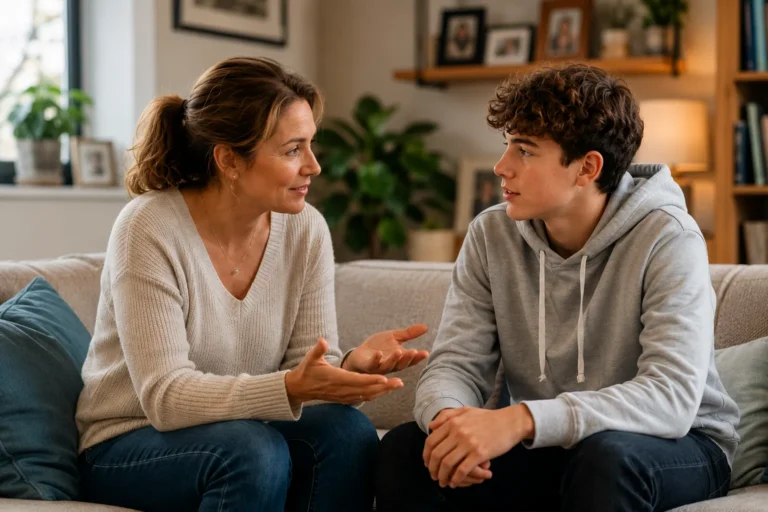
It might come at the kitchen table on a Tuesday night. Or in the car on the way home from school, when they’re staring out the window and you’ve run out of things to say. Your kid goes quiet for a moment, then says it: Something’s been happening. There’s a pause. They’re watching your face, reading you for signs. Will you believe them? Will you make it worse?
That moment – the one where they finally speak – is everything.
Why This Matters
Bullying isn’t character-building. It’s not something kids just need to toughen up and get through. Research shows Australian students face some of the highest rates among OECD countries, with around one in four school-aged children affected. Seven in ten children aged 12–13 have experienced at least one bullying-like behaviour within a year.
The forms it takes are familiar: being left out on purpose, being made fun of in cruel ways, having lies spread about them, being pushed around or made afraid. Each one chips away at something essential.
What many parents don’t realise is the lasting impact. Bullying can affect performance at school. It increases the risk of depression and anxiety. Young people report feeling isolated – and that isolation, that sense of going through it alone, is often the worst part. When your child finally tells you, they’re not looking for you to fix it with a lecture or a dramatic reaction. They need a parent who understands what they’re facing and believes them.
What Your Child Needs
According to research on talking with children about bullying, when your child discloses what’s happening, seven things matter:
1. Belief. Many children don’t speak up because they fear not being taken seriously. A calm response tells them they made the right call by trusting you.
2. Being heard. Listen without interrupting. Don’t interrogate or rush to solve it. Let them talk openly about what’s going on. This is harder than it sounds – most parents want to jump into problem-solving mode. Resist that urge.
3. Trust that you’ll help. Your child needs to know that when they tell you something, you’re going to do something about it. Not overreact. Not make it worse. But act.
4. Hope. Bullying strips children of agency and leaves them feeling powerless. They need to believe things can get better. And they need to see that belief reflected in you.
5. Some control. Involve them in decisions about what happens next, even in small ways. This might mean deciding whether to talk to the school first, or what you’ll say when you do. When kids feel like they have some say, they start to reclaim their sense of agency.
6. Learning self-protective behaviours. Once they feel heard, work together on strategies. What can they do if it happens again? Who can they talk to at school? What does assertiveness look like in their situation?
7. Confidence rebuilt. Remind them that bullying is wrong and this isn’t their fault. Reinforce who they are beyond what’s been done to them. Sometimes children start to believe the awful things said about them. Your job is to remind them of their worth, their strengths, their value.
What Happens When You Get This Right
When kids trust that their parents will believe and help them, something shifts. They develop resilience – not by toughening up, but by knowing they’re not facing it alone. Research shows that a supportive home environment where children feel comfortable sharing strengthens their capacity to cope and recover.
Your child learns that conflict can be navigated safely. That asking for help is a strength, not a weakness. That adults can be allies. That reaching out leads somewhere safe.
Those lessons don’t just help them through school. They shape how they handle challenges, relationships and difficult conversations for the rest of their lives.
When Things Feel Too Big
Sometimes bullying affects a child deeply. If your child expresses intense emotions, talks about harming themselves, or seems unable to cope, that’s the moment to reach out for professional support immediately. A school counsellor, a GP, or a mental health professional can help carry the weight when it’s too heavy for you to carry alone.
The Power of Showing Up
Being the safe place isn’t complicated. It doesn’t require perfect words or the right strategy. It requires presence. It requires listening without judgement, believing without hesitation, and acting with care. In that quiet moment, when your child is watching your face for a reaction, you don’t need to fix everything. You just need to show them they’re not facing it alone.
The Queensland Government is tackling bullying by giving parents new and expanded supports, including:
-
a 7-day-a-week parent HOTLINE with trained counsellors @parentline
-
more on the ground support from chaplains and dedicated wellbeing staff
-
rapid support teams into bullying hotspots
-
Find out more by visiting qld.gov.au/antibullying or visit ParentLine