Family

Young Men, Influencers, and the Shaping of Masculinity

Young Men, Influencers, and the Shaping of Masculinity

Words: Andrew Harmer

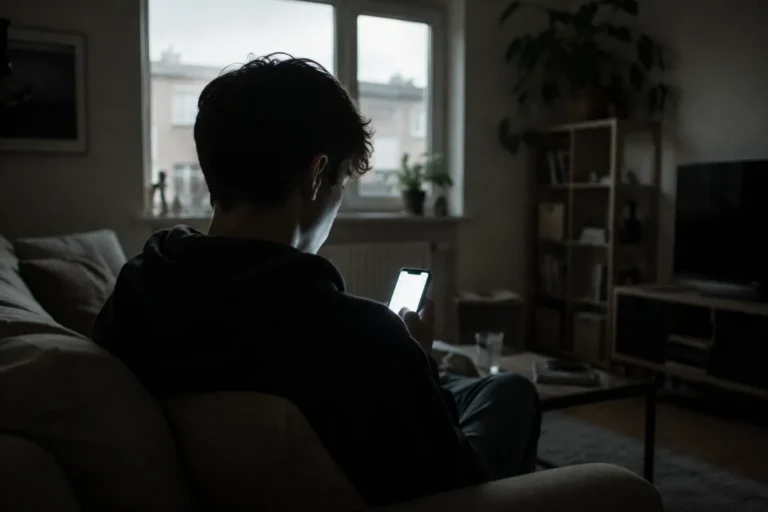
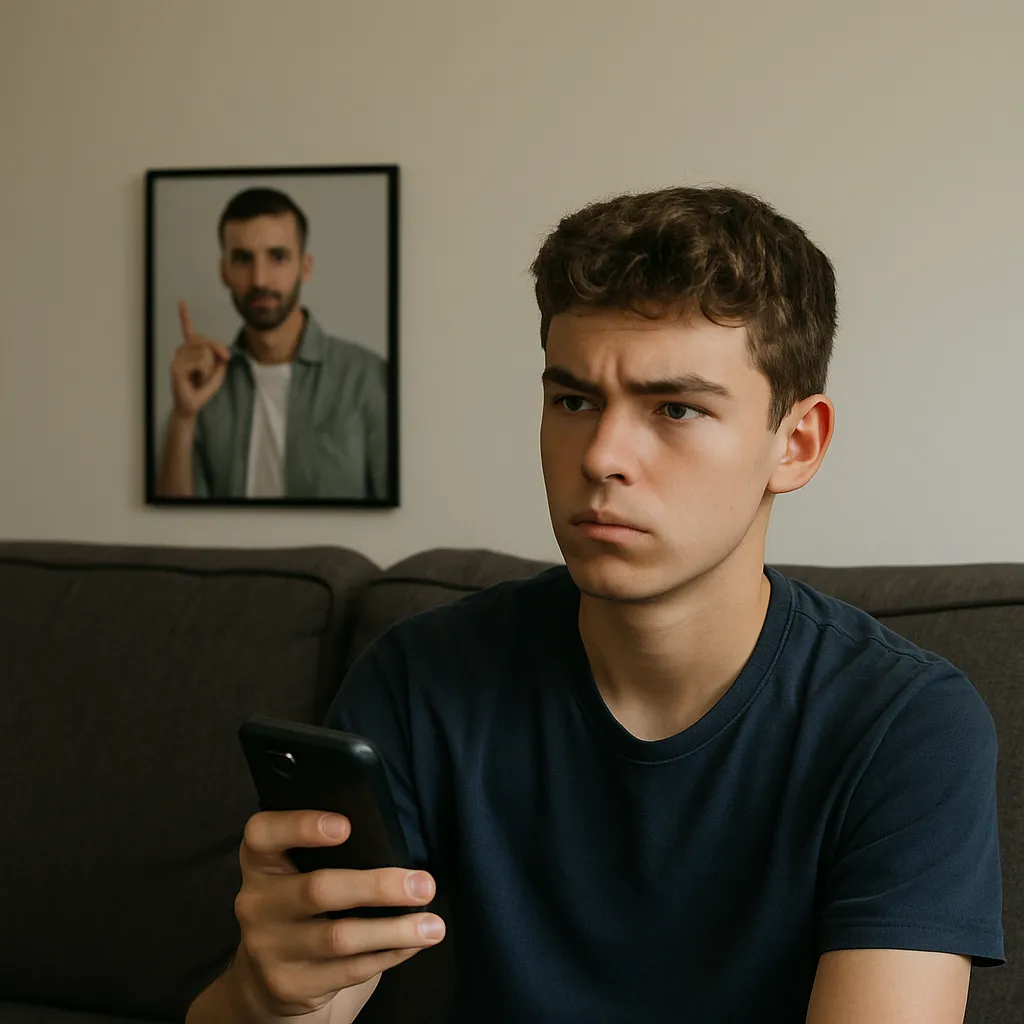
In an era defined by social media, the influence of online personalities on young minds has never been more profound – particularly when it comes to ideas about masculinity. A recent survey by the Movember Institute has revealed a striking statistic: 68% of young Australian men actively engage with “masculinity influencers” across platforms like Instagram, TikTok, YouTube, and emerging social apps.

These influencers range from fitness gurus and lifestyle coaches to motivational speakers and self-styled “alpha male” advocates. Their content often revolves around personal development, financial success, physical fitness, dating advice, and what it means to “be a real man” in today’s society. While this has created opportunities for positive role modelling and self-improvement, health experts are sounding the alarm about the potential risks these messages may carry for young men’s mental health and identity formation.

At the heart of the concern is the way masculinity is being defined – or more accurately, narrowed. Many influencers present a version of manhood that prioritizes dominance, stoicism, physical prowess, and material success, often discouraging emotional vulnerability or non-traditional expressions of masculinity. According to psychologists, when young men are repeatedly exposed to rigid or hyper-masculine ideals, it can create internal conflicts. Boys who do not or cannot align with these portrayals may feel inadequate, ashamed, or isolated.

bigstock-Selective-Focus-On-Digital-Vid-457986681.jpg

Mental health professionals warn that such influences can contribute to anxiety, depression, body dysmorphia, and even exacerbate feelings of loneliness. This is particularly concerning given that suicide remains the leading cause of death for Australian men aged 15–44, and social isolation is one of the most significant contributing factors. By promoting an unattainable or narrow version of manhood, influencers may – knowingly or unknowingly – deepen the struggles that young men already face.

However, it’s important not to paint all masculinity influencers with the same brush. There are many who advocate for healthy masculinity – encouraging emotional intelligence, open communication, mental health support, and community building. Programs like Movember’s “Man of More Words” campaign highlight the need for men to talk openly about their feelings, and some influencers are positively reinforcing these messages.

The conversation around masculinity is at a crossroads. Young men are seeking identity, purpose, and belonging in a fast-changing world, and online voices play a growing role in filling that void. The challenge, experts say, is ensuring that this influence is positive rather than damaging.

Educational campaigns, mentorship programs, and open dialogues are being called for to help young men critically assess the messages they consume online. Initiatives in schools and community groups across Australia, including the Gold Coast, are also stepping in to create spaces where young men can discuss masculinity in broader, healthier terms – promoting self-worth that isn’t tied to outdated stereotypes.

As we move further into 2025, the opportunity lies in balancing the empowerment that influencers can offer with the support and education young men need to thrive mentally, emotionally, and socially.
More from

Family

Navigating Family Law
Family

Navigating Family Law

When life takes unexpected turns, having a legal partner who truly cares makes all the difference. At Richardson Murray, family law isn’t just about navigating the legal system—it’s about understanding what matters most to you and your family and helping you move forward with confidence. Exclusively focused on family law, Richardson Murray’s team of compassionate lawyers knows that every situation is unique. Whether you’re making parenting arrangements for your children, working through property settlements, or seeking safety from domestic violence, they take the time to listen, understand, and tailor their approach to suit your needs. Guiding You Through Life’s Most Challenging Moments Richardson Murray is more than a law firm—it’s a trusted ally during times of change. Their experienced team is skilled in all aspects of family and relationship law, including: Divorce and Separation: Helping you navigate the end of a relationship with care and clarity. Parenting Matters: Crafting parenting plans that put children’s best interests at the heart of every decision. Property and Financial Settlements: Ensuring fair outcomes that set the foundation for your next chapter. Domestic Violence and Protection Orders: Providing strength and guidance to secure your safety and peace of mind. A focus on resolution, not conflict Whenever possible, Richardson Murray emphasises resolving disputes amicably through mediation. This approach aligns with their belief in minimizing conflict and helping families achieve outcomes that support healing and progress. Why Families Trust Richardson Murray Clients often describe Richardson Murray as more than just legal advisors—they’re advocates who genuinely care. What makes them stand out? You Come First: Your story, goals, and priorities drive everything they do. Their advice is tailored to help you achieve what’s most important to you. Unparalleled Expertise: With extensive experience and a commitment to staying at the forefront of family law, you can trust you’re in capable hands. Clear Communication: They believe in keeping you informed every step of the way, ensuring there are no surprises, and you always know where you stand. Community Connection: As locals themselves, the team takes pride in fostering strong, trust-filled relationships within their community. A Team That Understands Family law isn’t just about legal outcomes—it’s about people, emotions, and futures. The team at Richardson Murray approach every case with empathy, offering not only legal expertise but also unwavering support when it’s needed most. Here for You in Broadbeach and Byron Bay Conveniently located in Broadbeach and Byron Bay, Richardson Murray serves clients across Southeast Queensland and Northern New South Wales. Whether you’re stepping into their welcoming offices or connecting remotely, you’ll find a team ready to support you with professionalism and care. At Richardson Murray, it’s not just about winning cases—it’s about making a meaningful difference in people’s lives. If you’re ready to move forward with compassionate legal support, their team is here to help you every step of the way.

The Wild West of Baby Sleep
Family

The Wild West of Baby Sleep

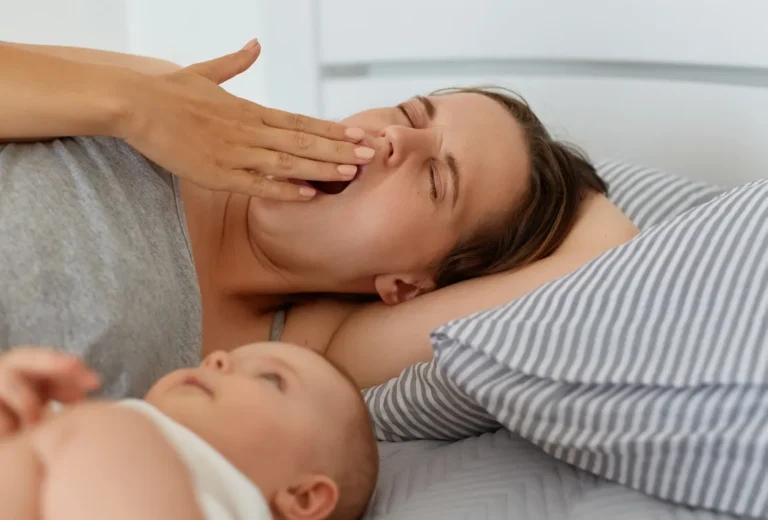
How vulnerable parents became a business model It is 2am on a Tuesday night. Your partner snores beside you while your eyes feel like you have been out partying until dawn. Except you are in your thirties, and the “party” has been happening every night for the past 13 weeks with your newborn. No late-night cheeseburgers. No sleeping in. Just another feed, another resettle, another scroll through your phone to stay awake. You are not alone. You are in multiple newborn Facebook groups, and your TikTok and Instagram feeds are perfectly curated with baby content. During night feeds, you can scroll endlessly. But with every swipe comes another advertisement. Magnesium sprays. Red lights. Colic cures. And countless sleep consultants promising that if you pay, your baby will sleep through the night in 72 hours. Sleep deprivation is more than a rite of passage for new parents. It is a public health issue. In the first year postpartum, anxiety and depression rates rise, cognitive function drops and decision-making becomes harder. Neurologically, exhausted parents are less able to separate fact from fiction. In any other context, this would be described as a vulnerable population. In motherhood, we simply call it normal. In regulated health professions, vulnerable groups are protected by clear guardrails such as ethical standards, complaint pathways, ongoing education and accountability. In the infant sleep industry, those safeguards largely do not exist. The title “sleep consultant” sounds official, yet there is no universal qualification, no minimum training requirement and no licensing body. Anyone can complete a short course, print a certificate or rebrand once their own baby begins sleeping well. This matters because infant sleep is not only about rest. It is connected to neurodevelopment, emotional regulation, feeding and parental wellbeing. The advice given during these early months can have lasting effects, yet without regulation there is little oversight. Practices are often marketed as gentle or evidence-based without clear accountability. My inbox regularly fills with stories from exhausted parents who sought help and felt more overwhelmed afterwards. Some describe being told to avoid eye contact with their baby regardless of distress. Others recall consultants speaking through monitors, instructing them to leave the room while their baby cried. There are reports of expensive “personalised” plans that appear copied and pasted, or parents being told their baby would never learn to sleep because they were too responsive.The responsibility does not sit with parents searching for support at 4am. It lies with a system that makes it easy to market sleep solutions to exhausted families while making it difficult to distinguish genuine expertise from clever branding. If you are reading this in the middle of the night with a baby on your chest, know this. It does change. My daughter is three now, and we sleep. Not because of rigid schedules or costly programmes, but because babies grow and sleep evolves over time. Your baby is not broken. The system around sleep support simply needs stronger boundaries. Until regulation improves, discernment is one of the most powerful tools parents have. Ask questions. Seek evidence. Trust your instincts. And feel free to ignore anyone sliding into your messages insisting your tiny baby should already be sleeping through the night.

The Manosphere didn’t get more extreme. It got more normal.
Family

The Manosphere didn’t get more extreme. It got more normal.

By Andrew Harmer A follow-up: when we last looked, the worry was that boys might find their way to something dangerous. The unsettling truth is they no longer have to go anywhere. When we last wrote about the manosphere, the advice was mostly about noticing. Learn the slang. Recognise the influencers. Watch what the algorithm serves a curious teenager who searches “how to be more confident.” The implicit promise was that if you could see the thing, you could do something about it. But that advice assumed the manosphere was a place – somewhere a boy goes and somewhere a parent might steer him away from. The harder truth, and the reason it’s worth returning to so soon, is that it has largely stopped being a place at all. It got quieter, and quieter and has turned out to be worse. The clearest sign isn’t a forum or a manifesto. It’s a teacher who can no longer tell the difference between a fourteen-year-old’s joke and a fourteen-year-old’s belief. In a 2026 study of more than a hundred Australian teachers, researchers described boys’ misogyny becoming more open, more confident and less checked since around 2022 – delivered often, as humour that dares an adult to object. Push back and you’re told to relax. It was just a joke. The ambiguity is the strategy. When the Netflix drama Adolescence landed in 2025, parents who had never heard the word found themselves Googling it at midnight. For a few weeks the manosphere was front-page news – but the version that reached the mainstream was no longer the one anyone had been bracing for. We thought we understood this For years, the story had villains you could name. Andrew Tate, banned from platform after platform through 2022. Forums with rules and moderators. A pipeline you could trace and warn your kids about. It felt, briefly, knowable – a foreign country with a border you could watch. Then it moved faster than anyone could map. The named accounts mattered less than the millions of smaller ones repeating the same script with the edges sanded off. How it actually works now Researchers have a word for it: normiefication – fringe ideas migrating onto mainstream platforms and shedding their warning labels along the way. What’s left is sometimes called “manosphere light”: less overtly toxic than the old forums, and for exactly that reason, far greater in reach. The content that finds a lonely boy today usually isn’t a creed. It’s a workout split, a budgeting tip, a clip about discipline – with the ideology folded in so gently that he never experiences it as ideology at all. The algorithm didn’t simply amplify this material. It camouflaged it inside ordinary self-improvement. And it is no longer a white, Western phenomenon: the same scripts now circulate among boys across cultures and continents. And we saw what it cost The damage that follows is mostly quiet, too. There are headlines – the documented links between this content and gender-based violence are real and growing – but the larger story is the slower erosion. The friendship that curdles. The classroom where girls report feeling unsafe around boys they have known for years. The son whose easy warmth seems to be hardening into something his parents half-recognise and can’t quite name. Health researchers have charted another cost: influencers reframing ordinary tiredness, stress or low mood as a medical deficiency, then selling the cure. A normal adolescence, repackaged as a problem with a product attached. So, what did we actually try? The response has finally arrived. In early 2026 Australia’s national women’s safety body released a manosphere guide for schools, and a Monash University team began training teachers to use it. Not-for-profits such as The Man Cave and Tomorrow Man are in classrooms doing the patient work of offering boys a different script for being a man. Much of it, though, is still built for the old problem – for the boy radicalised dramatically, not the one who drifted there one harmless-seeming video at a time. And the work is now contested ground. The school guide drew accusations of anti-male bias – a sign this is no longer a settled question handled quietly by experts. It is a live political fight that now reaches the top of public life: in April, Julia Gillard – Australia’s only female prime minister – used a Women Deliver keynote in Melbourne to warn that the manosphere’s organised pushback against gender equality can’t be swept under the rug. What it means Underneath the ideology is something the critics get half-right: a great many boys are genuinely lonely, genuinely adrift, genuinely unsure what they are for. That ache is real, and pretending otherwise is part of why blunt “it’s all toxic” messaging keeps failing. Gillard conceded as much from that same podium, suggesting the movement had not always been inclusive enough of men – a striking admission from the author of Australian politics’ most famous misogyny speech. The problem is that the people meeting that need most reliably are the ones profiting from keeping it unmet. Which is why this is harder than it looks. You can moderate a forum. You can ban an account. You cannot moderate the cultural wallpaper – and wallpaper is what the manosphere has quietly become. Not a place teenagers visit, but the texture of the internet they grew up inside. When we last checked, the fear was that boys might find their way to something extreme. The follow-up is stranger than that. They didn’t have to find it. The manosphere didn’t win by being extreme. It won by becoming ordinary.