Styling for mental wellbeing through feng shui
In a world of constant notifications, emotional demands and pressure to always be “on”, many of us are living in a near-permanent state of nervous system overload. While therapy, mindfulness and healthy boundaries all play an important role, there is another influence quietly shaping how we feel each day – our home environment.
From a feng shui perspective, your home is more than just a place to live. It is an energetic extension of you. When a space feels chaotic or misaligned, even the best self-care routines can struggle to take hold. A calm home does not just look peaceful, it helps regulate how you feel.
Feng shui and the nervous system
Long before modern neuroscience explored the connection between environment and mental wellbeing, feng shui recognised the powerful relationship between space and emotion. When a home feels out of balance, people often notice subtle shifts in how they experience daily life — difficulty switching off at night, restless sleep, irritability or a lingering sense of unease.
These responses are not always personal shortcomings; sometimes they are simply signals that the environment is not supporting the nervous system as well as it could.
Calm is flow, not minimalism
One of the biggest misconceptions about calm interiors is that they need to feel stark or minimalist. From a feng shui lens, an overly empty space can feel just as unsettling as one that is cluttered. True calm comes from balance rather than absence.
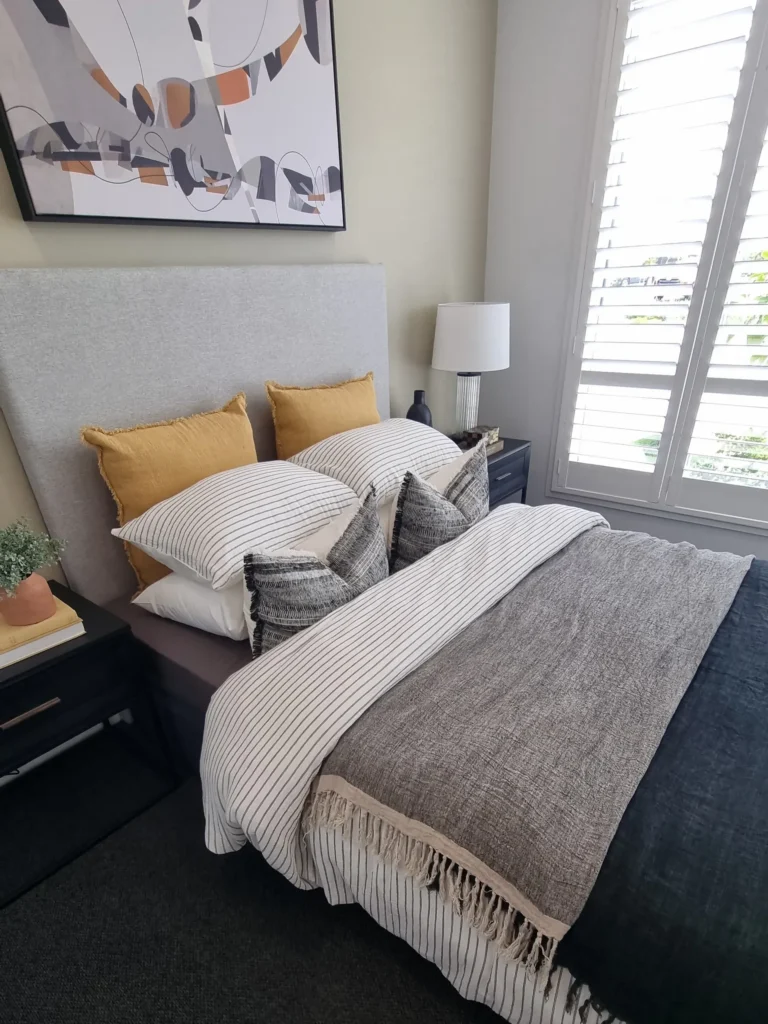
A feng shui-aligned home focuses on gentle flow and comfort. Furniture placement should allow easy movement through a room, helping energy circulate naturally. Key pieces such as beds and desks are ideally positioned so you can see the doorway without being directly in line with it, creating a sense of ease and awareness.
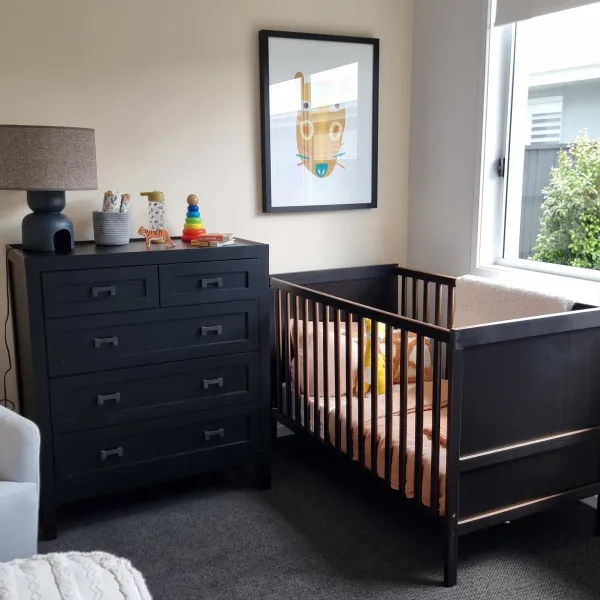
Balance between yin and yang is also important. Too much brightness or activity can feel agitating, while heavy, dark spaces may feel stagnant. Rugs, artwork and thoughtfully grouped furniture can help create a sense of containment, allowing the body to relax and feel held within the space.
Colour, light and sensory load
Colour plays a powerful role in how a room feels. Highly saturated tones or excessive contrast can feel overstimulating, particularly in bedrooms, living areas and workspaces. That does not mean avoiding colour altogether, it simply means using it with intention and balance.
Similarly, lighting has a profound impact on mood. Harsh overhead lighting can keep the body in a state of alertness, while layered lighting allows your home to support different rhythms throughout the day. Bright light can encourage focus and energy, while softer, warmer tones help signal rest.
When clutter becomes emotional noise
Clutter is not just a visual issue. In feng shui, unused or broken items, emotionally charged objects or belongings tied to past versions of ourselves can create energetic noise. Even when we stop consciously noticing them, our nervous system continues to register their presence.
A calm home does not need to be spotless or minimal. Instead, it feels clear, intentional and supportive of who you are today.
A home that supports, not performs
It is easy to create a space that looks beautiful on the surface yet feels oddly uncomfortable to live in. True wellbeing comes when a home supports both rest and productivity, reflects your current life and allows you to soften rather than brace.
Calm is not about buying more or chasing perfection. Often, it begins with small shifts like moving furniture, adjusting lighting or letting go of what no longer serves you. When a home feels aligned, it becomes more than a showpiece. It becomes a quiet source of support in an overstimulated world.