
Health and Wellness

You are not irreplacable, you are resilient!

You are not irreplacable, you are resilient!

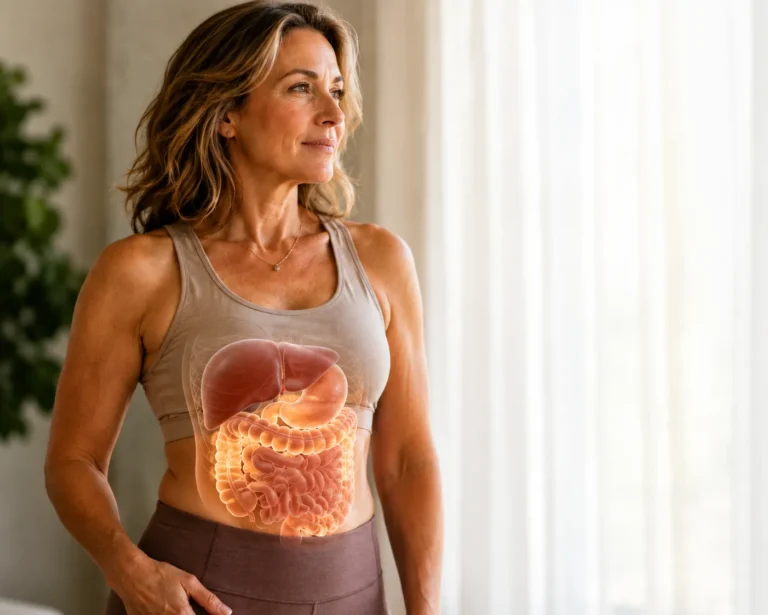
You have two kidneys. You only need one. Long before anyone coined a phrase for it, your body quietly modelled the principle we now call resilience at work — packed with spares, one organ at a time, built not to be precious but to last. Evolution looked at the long odds of staying alive and decided that redundancy, a quiet backup sitting ready and unbothered, was the kindest thing it could give you.

The Myth of the Irreplaceable Person

Your ego disagrees. It has its own theory, and it recites it at 2am: that you’re the one who truly understands the client, the unrepeatable knot of skill the whole thing depends on. It’s a comforting story. The body has spent years gently disagreeing.

We’ve always believed this at scale. Every monarchy that claimed divine right discovered, eventually, that divinity has a short attention span. When Steve Jobs died in 2011, the consensus was that Apple had lost the one mind it could never replace; under Tim Cook it went on to become the most valuable company in the world. [SUGGESTED LINK: Tim Cook’s leadership and Apple’s growth post-Jobs] The gap between valuable and irreplaceable is the gap between a fact and a fairy tale.

Work culture prefers the fairy tale. It calls you a “key person” and means it as a compliment — when underneath sits a system that falls over the moment one human leaves. Engineering has a blunter name for that. It isn’t talent; it’s a single point of failure. A design flaw. [SUGGESTED LINK: single point of failure in organisational design]

What Strong Systems Actually Look Like

The body knows better, because it has no ego to defend. Two lungs, two kidneys, two brain hemispheres that cover for each other. A liver that grows back. An immune system that reroutes when a defence is breached. None of this is sentiment. Evolution doesn’t build irreplaceable parts; it builds systems that outlive the failure of any one of them. You are not the jewel in the crown of natural selection. You are a distributed backup system wrapped in skin and anxiety — and that, it turns out, is the good news.

Here’s the part we flinch from, so I’ll just say it. Most of what you do — the emails, the meetings, the decisions — someone competent could learn in a few months. Not the intuition, the relationships, the context you carry in your bones. But the function? That’s a transferable skill wearing your name badge. AI didn’t make this true; it only made it loud. The printing press didn’t make the monk less skilled, only less necessary. We spend our lives confusing the two: defending how necessary we are, and missing what we’re for. [SUGGESTED LINK: AI and the future of work]

Redundancy as a Design Principle, Not an Insult

So before you spiral and refresh your LinkedIn, turn it over. Redundancy was never the insult you took it for. It’s the whole principle of resilience — why planes stay aloft, why your heart keeps beating when one pathway misfires. Strong systems aren’t the ones with an indispensable part; they’re the ones where no part is. When only one person understands the billing system, that isn’t a measure of their importance. It’s a hostage situation. Don’t be the load-bearing wall whose removal brings down the ceiling. Be part of the frame — holding things up precisely because it no longer all rests on you.

And here’s the gift hidden in all of it: once you stop defending how hard you are to replace, you start to notice what genuinely can’t be. It was never the spreadsheet or the code. It’s the way you make a colleague feel human again after a brutal quarter; the meaning you pull out of chaos. None of it fits on a CV, because none of it is a component. It’s the connective tissue — not the parts, but what happens between them.

What Genuinely Cannot Be Replaced

“But doesn’t that mean we’re all worthless?” is the wrong question. It mistakes one axis for another. Any musician in the orchestra can be swapped and the note still sounds — but the ensemble, these people on this particular night, will never happen twice. You’re replaceable as a function and unrepeatable as a presence. You matter not because no one else could do your job, but because you’re the one doing it now, bringing the strange, specific thing only you bring. That’s not nothing. It’s just not what we were taught to call worth.

We need this now, in an age of industrial-scale redundancy anxiety. AI writes the emails; an algorithm makes the trades, with no meltdowns and no lunch break. You are more functionally redundant than any generation before you — and the answer isn’t to deny it. It’s to stop hanging your whole identity on the function in the first place.

You have two kidneys. You only need one. And you’ve spent your whole life not thinking about the spare — not resenting it, not feeling diminished by it, not lying awake afraid of it. You just lived, while the backup sat there quietly keeping you alive.

Maybe it’s time to extend that same grace to the rest of you. The spare was never an accusation that you weren’t enough. It was the most honest kindness your body could manage: a margin, a second chance, the reason the whole fragile system keeps going.

You are not irreplaceable.

You are something better.

You are resilient — and you were built that way on purpose.
More from

Health and Wellness

Visceral Fat: The Fat You Can’t See – and Why It Matters
Health and Wellness

Visceral Fat: The Fat You Can’t See – and Why It Matters

We tend to think of body fat as the soft layer we can see or pinch around our stomach, hips or thighs. But there’s another type of fat that deserves our attention – visceral fat. Unlike subcutaneous fat, which sits just beneath the skin, visceral fat is stored deep inside the abdomen, surrounding organs such as the liver, pancreas and intestines. You can’t see or pinch it and, perhaps surprisingly, you can carry higher levels even if you appear relatively slim. Why does visceral fat matter? Visceral fat isn’t simply stored energy. It is metabolically active, releasing hormones and inflammatory compounds that can affect how the body functions. Higher levels have been linked to insulin resistance, type 2 diabetes, heart disease, high blood pressure, fatty liver and metabolic syndrome. For women, age and hormonal changes can also play a role. As oestrogen levels fall through menopause, the body has a greater tendency to store fat around the abdomen – which may explain why your waistline can begin to change even when your lifestyle hasn’t dramatically altered. The encouraging news is that visceral fat responds well to relatively simple lifestyle changes and is often among the first fat to reduce when overall body fat decreases. Do you have too much? You don’t necessarily need a special scan to get an indication. Waist measurement is a useful and simple starting point. For women, a waist measurement over 80cm suggests an increased health risk, while over 88cm suggests a higher risk. Another easy guide is your waist-to-height ratio – ideally, your waist should measure less than half your height. These measurements are general guides rather than a diagnosis, so speak to your GP if you have concerns. Why does it build up? There’s rarely one single cause. Visceral fat can increase through a combination of consuming more energy than the body uses, highly processed foods, sugary drinks and alcohol, low physical activity, ageing, hormonal changes, poor sleep, chronic stress and genetics. While we can’t control every factor, there is plenty we can influence. How to reduce visceral fat Forget endless sit-ups – unfortunately, we can’t choose where our body loses fat. Instead, focus on reducing overall body fat and building healthier habits. Eat well: Base meals around vegetables, lean protein, fibre-rich carbohydrates and healthy fats, while reducing highly processed foods, refined carbohydrates and sugary snacks. Combine strength and cardio: Brisk walking, cycling, jogging or interval training can help burn energy, while strength training builds and maintains muscle and supports metabolism. Cut back on alcohol: Alcohol can add significant extra energy and is associated with fat storage around the middle. Prioritise sleep: Aim for around seven to nine hours. Poor sleep can disrupt hormones involved in appetite and fat storage. Manage stress: Chronic stress raises cortisol, which can encourage abdominal fat storage and increase cravings. Walking, time outdoors, gentle exercise and simply making time to unwind can all help. Small changes count Reducing visceral fat doesn’t require extreme diets or punishing workouts. Consistency is far more important. Eating well, moving regularly, including strength training, getting enough sleep, managing stress and moderating alcohol can all make a difference – not simply to your waistline, but to your long-term health. And that makes visceral fat worth paying attention to, even if you can’t see it.

Women who golf
Health and Wellness

Women who golf

Golf might once have had a reputation as a sport for retirees with plenty of time on their hands, but those days are well and truly behind us. Women of all ages are discovering that a round of golf delivers much more than a little friendly competition. In fact, golf has quietly become part of the health and wellbeing conversation, combining exercise, fresh air, mental stimulation and social connection – without necessarily feeling like exercise at all. At Southport Golf Club, that growing interest is easy to see. The club has welcomed 84 new women members over the past two years, all of whom have continued their membership, joining an existing community of around 170 women. Exercise Without the Gym An 18-hole round can clock up more than 10,000 steps and burn around 900 calories. But unlike pounding away on a treadmill, you’re usually far too busy thinking about your next shot, chatting with your playing partners and enjoying the surroundings to notice just how active you’ve been. Walking the course also helps strengthen and tone muscles, while providing regular moderate exercise that can contribute to better cardiovascular health. Good for the Mind, Too There’s something to be said for spending a few hours outdoors. Fresh air, green spaces and physical activity can help reduce stress, improve mood and boost self-esteem, while the release of endorphins can leave you feeling happier, more relaxed and even sleeping better. Regular physical activity can also help reduce the risk of conditions including heart disease, high cholesterol and dementia, supporting our health as we age. Keep Learning Golf is one of those wonderful games you never completely master – which might occasionally be infuriating, but it’s also part of the appeal. Learning new skills, setting goals and challenging yourself keeps the brain engaged and provides a real sense of achievement. Friends, Fun and Connection Perhaps one of golf’s greatest benefits is its social side. It creates opportunities to meet new people, strengthen friendships and enjoy time with family – with plenty of conversation along the way. And you don’t need to be super fit, young or particularly sporty to start. The handicap system allows different abilities to play together, while choosing between nine or 18 holes means golf can fit into busy lives. Exercise, friendship, fresh air and a little healthy competition? Perhaps golf really is onto something.

The Rise and Rise of Hypnotherapy
Health and Wellness

The Rise and Rise of Hypnotherapy

You’ve probably slipped into a hypnotic state today. You just didn’t call it that. Have you ever driven somewhere familiar and suddenly realised you have no memory of the last few kilometres? You weren’t asleep, your attention simply wandered while your brain handled it automatically. We all experience periods of absorbed attention, which can also feel like daydreaming. Hypnotherapy uses that same state, guided deliberately toward a therapeutic goal. You may have heard of the lovely story about a man who asked his gardener what made his plants grow so beautifully. The gardener replied: “I don’t force them to grow. I remove what stops them. I pull out the weeds that are strangling their growth, clear the space around them, and position healthy plants to better receive the sunlight they need.” That is how I think about hypnotherapy. Sometimes old patterns, beliefs and emotional responses have shaped the way we think, feel and behave for years. We may consciously know we want something different, yet still find ourselves responding in the same familiar way. Hypnotherapy aims to explore what’s underneath those patterns, and may help loosen what’s no longer serving us, making room for new ways of thinking, feeling and doing. So, what does hypnotherapy actually feel like? You remain awake and aware. You can hear, speak, think and open your eyes at any time. For many people, hypnosis is experienced as deeply relaxing and focused. The outside world may feel less important as attention becomes absorbed in the therapist’s voice and suggestions. Depending on the goal, hypnosis might involve exploring a different perspective, rehearsing a new response, strengthening confidence or working with an unwanted habit or emotional pattern. But isn’t that just meditation? Not quite. Meditation helps us become still. Hypnotherapy uses that same focused, relaxed state and gives it direction and purpose. Meditation generally aims to cultivate awareness, presence and calm. Hypnotherapy uses focused attention and suggestion towards a specific therapeutic goal, working with thoughts, feelings, behaviours and patterns. What might people seek it for? Stress, anxiety, sleep difficulties, pain management, confidence, self-esteem, unwanted habits and phobias, such as a fear of flying or emetophobia (a fear of being sick), are among the reasons people may explore hypnotherapy. For an HSC student, that might mean a calmer relationship with exams, or reduced performance anxiety. Hypnotherapy isn’t a one-size-fits-all intervention, and no ethical practitioner should promise a particular outcome. What does the science say? For years, some dismissed hypnosis as a parlour trick. Modern neuroscience has given researchers a new way to investigate what actually happens. In a Stanford University study published in Cerebral Cortex, researchers used functional MRI to examine brain activity and connectivity during hypnosis. They observed changes involving networks associated with attention, cognitive control and self-awareness in highly hypnotisable participants. The research doesn’t suggest hypnosis is a magic switch, or that everyone responds the same way. But it does add to growing evidence that something measurable is happening in the brain during hypnosis. From athletes to celebrities and royalty Hypnosis has moved a long way from its stage-show associations. Athletes have explored hypnosis, visualisation and mental rehearsal as part of performance preparation. Dual Olympian Jodi Winter has spoken about her own experience of hypnotherapy, describing coming away feeling “deeply relaxed, clearer and lighter”, and the easing of anxiety she had carried for much of her life as “incredibly freeing.” Catherine, Princess of Wales, has spoken about using hypnobirthing techniques to help her cope with hyperemesis gravidarum, a severe pregnancy sickness condition, as well as during the birth of her three children. Perhaps high performers understand something the rest of us are increasingly recognising: the mind isn’t separate from performance. It is part of it. So why is hypnotherapy rising now? We’re surrounded by notifications, screens and constant demands for our attention, yet many struggle to switch off, sleep, feel confident or simply feel like themselves. Hypnotherapy offers something increasingly precious: deep, focused attention. For many women juggling work, family and everyone else’s needs, that kind of undivided attention on themselves is rare, and it can feel like coming up for air. In a world of surface-level, instant dopamine hits, depth is becoming essential. If that’s something you’re drawn to exploring, who you choose to guide you there matters. Choosing a hypnotherapist When choosing a hypnotherapist, know that the profession, like counselling, is unregulated. Look for the title ‘Clinical Hypnotherapist,’ and as a benchmark, ideally one who is a member of the Australian Society of Clinical Hypnotherapists (ASCH) or the Australian Hypnotherapists Association (AHA), both of which ensure high educational standards, ongoing supervision and continued training. With the right support, there’s a chance to learn something wonderfully new. Disclaimer: This article is for general information only and is not intended to replace medical advice, diagnosis or treatment. If you have a mental health concern, speak with your GP or another appropriately qualified healthcare professional. About the author Justine Williams Founder of The Feel Good Studio and Hyp Little Fairy Tales® Affectionately known as The Fairy Godmother for her work supporting children, parents and families. A highly regarded Clinical Hypnotherapist, speaker and multi-award-winning author. Website Email

A House in the Making – A Scent of things to come
Health and Wellness

A House in the Making – A Scent of things to come

For Paul James Graham, ‘Spencer Rambo’ represents the culmination of more than two decades immersed in hair, fashion and creative direction — and the beginning of something much larger. An award-winning hairdresser, educator, creative director and brand ambassador, Graham’s career has extended beyond the salon into education, editorial, competitions, judging, campaigns and major hair productions. That experience – and a reputation built over many years – now forms part of the foundation of Spencer Rambo.  But Graham is not building it alone. His husband and long-time partner, Paul Dumenil, brings a different perspective. Where Graham’s career increasingly carried him beyond the salon, Dumenil remained deeply immersed within it – connected to the client, the craft and the everyday reality of creating beautiful hair. Their strengths are different, but complementary. Somewhere between Graham’s broader industry experience and Dumenil’s intimate understanding of the salon, Spencer Rambo began to take shape. Not simply as another name in haircare, but as a house – with its own point of view on beauty, fragrance, design and luxury. Its first expression is fragrance. CADENCE; In Perfect Time and ICON; Be Remembered are Spencer Rambo’s inaugural Hair & Body Perfumes. Designed to be worn through the hair and across the body, both feature an impressive 25% perfume concentrate, alongside Sodium Acetylated Hyaluronate – an advanced form of hyaluronic acid chosen for its moisture-binding properties and affinity with the hair. The fragrances themselves are deliberately distinct. CADENCE opens with aldehydes and jasmine, moving through clove, orange blossom and jasmine before settling into marine notes, amber and musk – polished, atmospheric and sensual. ICON moves differently: floral notes and vanilla give way to amber and matcha, grounded by musk, ambergris and sandalwood for warmth, depth and lingering sophistication. They are, perhaps, best understood as perfumes that happen to understand hair. CADENCE and ICON are only the first glimpse inside the house Graham and Dumenil are building. What comes next is being kept deliberately close. For now, the clues are in the legacy of their hairdressing careers – a world beginning to reveal itself. CADENCE and ICON are the invitation. Behind them, the doors to Spencer Rambo are only beginning to open. “As professional hairdressers, we never take for granted the trust someone places in us when they invest their time and money in something we create for them. we want them to feel that same genuine value when they choose Spencer Rambo – in the quality, the formulation and the experience. Luxury can be beautiful and aspirational, but above all, it should be truthful — Paul & Paul