Hair and Beauty

Your skincare routine might be outdated

Your skincare routine might be outdated

A new beauty ritual is quietly making its way into daily routines, and it has little to do with serums or sheet masks.

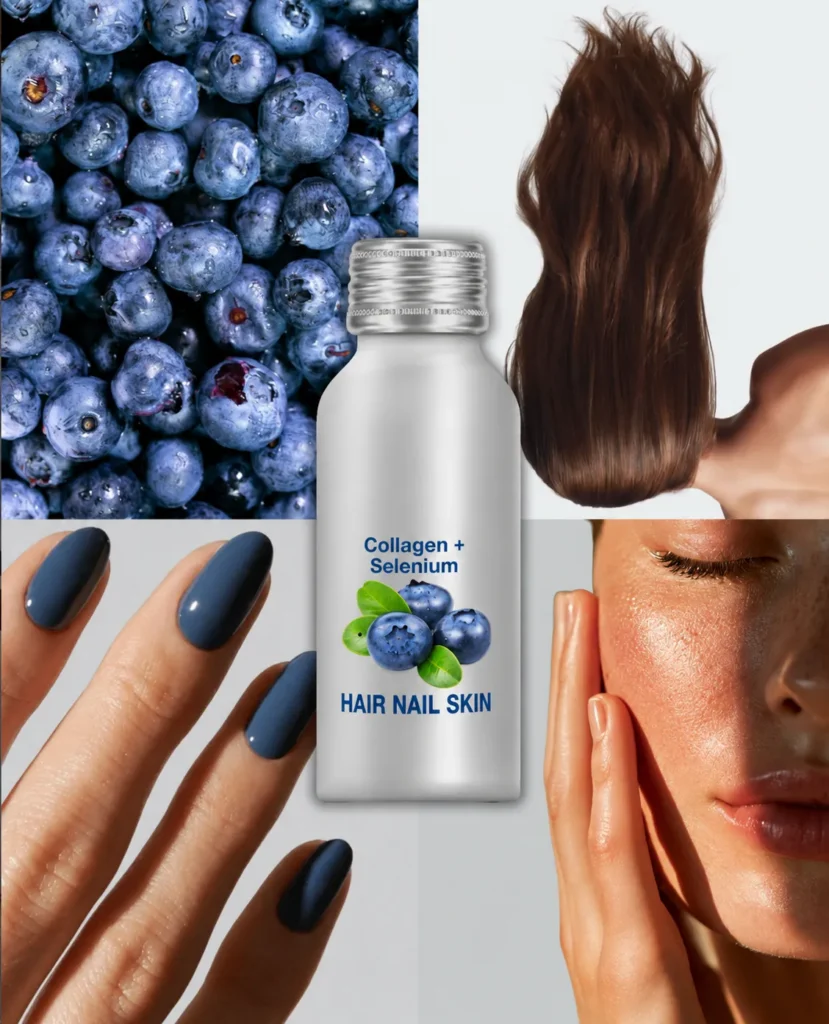
From collagen powders and gut-friendly elixirs to fasted olive oil and lemon water, “ingestible beauty” is becoming one of the biggest shifts in the wellness space as more consumers focus on beauty from the inside out.

The trend reflects a broader move away from quick topical fixes and toward daily rituals designed to support skin, hair and overall wellbeing at a deeper level.

For years, skincare has centred on what we apply externally. But as research around the gut-skin connection continues to grow, experts are increasingly questioning whether topical products alone are enough.

“Wellness expert and Head of New Product Development at Phytologic, John Mitrev, says true skin health starts internally.

“Although topical skincare does help, true beauty starts from within,” he says.

“To look its radiant best, healthy, glowing skin requires that we consume crucial nutritional ingredients that support skin health from the inside out, each and every day.”

The growing focus on ingestible beauty has sparked interest in ingredients designed to support visible beauty outcomes through nutrition and gut health.

Marine collagen is used to help maintain the skin’s structure and elasticity, while hyaluronic acid supports hydration. Vitamins C and E provide antioxidant protection, and probiotics and postbiotics are increasingly being recognised for their ability to support both gut health and skin health.

“Antioxidants protect skin from free radical damage and the resulting inflammation, often triggered by UV light,” Mitrev explains.

“Collagen supports the internal structure of the skin, maintaining firmness and decreasing the appearance of wrinkles. Probiotics, meanwhile, can balance the skin’s microbiome, which impacts inflammation.”

This “gut-first” approach is also driving the rise of brands such as bellyME, which focus on supporting the microbiome with targeted probiotics and postbiotics as part of a broader beauty and wellness routine.

By combining gut support with ingredients like collagen, hyaluronic acid and antioxidant-rich botanicals, the aim is to support healthier skin from within, rather than relying solely on topical products.

The shift also reflects changing attitudes around beauty more broadly. Increasingly, consumers are looking for routines that feel holistic, sustainable and connected to overall wellbeing, rather than chasing quick fixes or overly complicated skincare regimens.

That doesn’t mean traditional skincare is disappearing any time soon. Cleansers, moisturisers and SPF still play an important role in maintaining healthy skin. But experts say the future of beauty is likely to involve a combination of internal and external care working together.

The takeaway? Your skincare routine might not be wrong – it could just be incomplete.

More from

Hair and Beauty

Skin restored: The little-known treatment helping people feel whole again
Hair and Beauty

Skin restored: The little-known treatment helping people feel whole again

Skin tells a story; a story of sunlight, laughter and sometimes, survival. What many people don’t expect, though, is how deeply medical procedures can change the way their skin looks and feels.  Every year, thousands of Australians undergo treatments that save lives or restore health: mole removals, skin cancer excisions, surgical repairs, grafts and more. The priority is always recovery. But long after the medical journey is over, visible reminders often stay behind — pale or dark scars, areas of missing pigment, grafts that don’t blend with surrounding skin.  For some, it’s a quiet reminder of illness, surgery or trauma. For others, it affects how confidently they see themselves. Many are told that nothing more can be done, that the scar will “settle” with time. But for a growing number of people, that’s not the end of the story.  There is a next step, and it’s called medical tattooing.  Medical tattooing is a specialised form of skin restoration that helps rebalance colour and camouflage areas affected by scarring or pigment loss. Unlike cosmetic tattooing, which focuses on enhancing brows or lips, medical tattooing is about restoration: helping the treated area look more like the surrounding skin.  Using advanced pigments and precise micro-techniques, practitioners can reintroduce false melanin into lighter scars, soften darker marks, and create a more natural, blended appearance.  “It’s about restoring normalcy,” says Kat McCann, a three-time Australian Cosmetic Tattooist of the Year. “When someone looks in the mirror and sees their skin, not their scar,  it changes how they feel in their own body.”  The technique can support many types of scarring, including surgical scars, accident-related injuries, burns and grafts. It helps reduce contrast, even out tone and restore visual balance.  Is it right for you? Your scar or graft is fully healed, flat and stable in colour. You’ve received medical clearance following surgical or cancer-related treatment. You want to restore natural tone or reduce contrast in a visible area.  Why it matters Medical tattooing isn’t about vanity, it’s about resolution. It’s often the quiet, final stage of healing that helps people reconnect with their confidence and sense of self.  Did you know? • Australia has one of the highest rates of skin-cancer treatment in the world, resulting in thousands of surgical excisions every year. • Many of these procedures leave pigment loss or scar contrast that remains visible, even after full healing. • Medical tattooing provides a long-term, non-invasive way to blend these areas naturally back into the skin.  About the author Kat McCann is a medical tattooist and educator, and a three-time recipient of the Australian Cosmetic Tattooist of the Year award. Through her studio, INKA Cosmetic & Medical Tattoo, she specialises in advanced scar camouflage and restorative tattooing for trauma-affected skin. Complimentary consultations are available for those wanting to know more. Visit www.inkaonlima.com to learn more.

Looking After Your Skin – Self-Love
Hair and Beauty

Looking After Your Skin – Self-Love

  How Looking After Your Skin is a Form of Self-Love By Kim Guseli, Cosmetic Chemist   Self-care can sometimes feel like just another item on our endless to-do list in the busy pace of modern life. However, the simple act of looking after your skin can be a powerful way to practice self-love. Skincare isn’t just about maintaining a glowing complexion.  Taking time for yourself builds confidence and connects with who you truly are. Each time you cleanse, moisturise, or apply a mask, you are carving out space to focus on your well-being, both inside and out. Skincare as a Moment of Stillness It is a rare chance to slow down, to breathe, and to be present with yourself. Whether it’s a five-minute routine in the morning or a more indulgent evening ritual, these moments are an opportunity to connect with yourself on a deeper level. Consider your skincare routine as a daily practice of mindfulness. The simple act of washing your face becomes a pause in the chaos of life—a time to reflect on how you’re feeling. Skincare becomes more than just an external act as it transforms into a powerful tool for grounding yourself in the present moment. Confidence Through Care Looking after your skin can be empowering because it builds confidence. When you take the time to care for yourself, you feel better about how you present yourself to the world. Glowing, healthy skin isn’t just about appearances; it’s about how it makes you feel. It’s a reflection of the care and love you give yourself. Confidence radiates from within, but the way we care for our outward appearance can give us that little boost when we need it most. When you know you’ve taken time for yourself, it shows in how you carry yourself. Skincare is Self-Love, Not Perfection It’s important to remember that skincare is not about achieving perfection. The beauty industry often pushes the idea that flawless skin equals happiness, but true empowerment comes from embracing your skin as it is. Your skin is uniquely yours, and your skincare routine should be about celebrating that. When you focus on nurturing your skin rather than trying to fix it, you shift the conversation from criticism to care. This simple change in mindset allows you to approach your skincare ritual with kindness and patience, rather than pressure or frustration. It’s a gentle reminder that you deserve to be taken care of, no matter what stage of life or skin journey you’re on. A Lifelong Act of Self-Love Taking care of your skin is a lifelong journey and a practice in showing yourself compassion. Your skincare routine can evolve as you do — reflecting your needs, your lifestyle, and your personal growth. It is a way to invest in yourself and your well-being, reminding you that you are worthy of care every single day. The next time you reach for your favourite moisturiser or mask remember that you are not just taking care of your skin, you are empowering yourself through a simple yet profound act of self-love.

The impact of vaping on your skin
Hair and Beauty

The impact of vaping on your skin

  Skin expert, Isabella Loneragan, breaks down the Impacts of vaping on Skin. While studies on the long-term health implications of vaping are ongoing, there is clear evidence that the damage extends to your skin too, exacerbating a bevy of skin conditions including acne, rosacea, fine lines and wrinkles, and even spurring the formation of ‘smoker’s lips.’ Award-winning skin and dermal therapist, Isabella Loneragan, says vaping may be the culprit behind a noticeable rise in skin complaints from young people in particular. “I have noticed an increase in younger people visiting my clinic who are fairly frustrated with their skin and now, one of the first questions I ask is whether they vape because, although vaping hasn’t been around for too long, its impacts on skin are proving just as bad – if not worse – than cigarette smoking,” explains Isabella. According to the Australian Institute of Health and Welfare, one in five Australians have tried an e-cigarette at least once, and almost one in ten aged 18-24 vape daily. “Akin to cigarette smoking, vaping incorporates an inhalation of toxins and so it’s inevitable that some of these toxins will be deposited in the skin, causing damage to the skin barrier and inflammation impacting the skin’s ability to function normally. “One of the most significant impacts of vaping is an exacerbation of acne. More and more studies are showing that the nicotine in e-cigarettes can constrict blood vessels and reduce blood flow to the skin, which leads to inflammation and the development of flares of acne,” she says. Vaping can also cause an overproduction of sebum, which is the oily substance that clogs pores and can lead to breakouts. The chemicals in e-cigarettes can disrupt the skin’s microbiome also contributing to the development of acne flares. “Another condition that is clearly impacted by vaping is rosacea – a chronic condition that causes redness and inflammation on the face. Vaping aggravates rosacea due to the presence of chemicals and irritants in e-cigarettes. The nicotine in vapes – like cigarettes – causes blood vessels to constrict, leading to a worsening of rosacea symptoms,” says Isabella. “While studies are currently quite limited, there are also viable scientific suggestions that vaping triggers rosacea flare-ups and may even make existing rosacea symptoms worse.” It should come as no surprise that vaping also can result in premature ageing and the development of fine lines and wrinkles. “The chemicals in e-cigarettes are known to cause oxidative stress, damaging collagen and elastin which are the proteins that keep skin firm and youthful looking. “I can confidently state as a fact that vaping spurs dull and uneven complexion – just as cigarettes do. Over time, this contributes to the development of fines and wrinkles. “Even the dreaded ‘smoker’s lips’ side effect of cigarette smoking is showing in those who vape. This is the formation of vertical perioral lines around the lips simply due to an overuse of the muscle to purse your lips to a vape,” says Isabella. When it comes to reversing the impacts of vaping on the skin, Isabella says this may not be possible. “Obviously, avoiding smoking and vaping altogether is my recommendation for radiant and healthy skin; but for those who do vape, I’d suggest keeping yourself hydrated and eating a healthy diet as a means of limiting the impacts of vaping. Of course, using sunscreen daily is also a must,” adds Isabella.