Home

Sentimental Clutter: How to Let Go of Items Without Losing the Memories

Sentimental Clutter: How to Let Go of Items Without Losing the Memories


Styled to Sell

Perfection is overrated – it’s not just something I tell myself and my clients; it’s something I truly believe.

Most of us don’t want to live in a display home devoid of personality – our homes should reflect who we are and show off things we love. Living in clutter, however, has been shown to affect our mental and physical health, so how do we find balance?

DECLUTTERED DOESN’T MEAN MINIMALIST.

Decluttering is not the same as stripping everything back to essentials.

It is removing unnecessary items from an untidy or overcrowded place, and only you can decide what is unnecessary.

DON’T MISTAKE CLUTTERED FOR COSY.

Hygge is the Scandinavian concept for cosy – time away from the rush, time to enjoy simple indulgent pleasures like candlelight and comfort food – it is more about slowing down and relaxing; cosy doesn’t involve surrounding yourself with ‘stuff.’

MY SELF-IMPOSED DECLUTTERING RULES.

As a stylist and a sentimental person, I am tempted by beautiful things every day… So I have strict rules I follow – rules my family loves reminding me about (often). I also call in the experts sometimes.

ONE THING IN, ONE THING OUT

No matter what it is – whether it’s a new dress or a vase, if I bring it into the house, something must leave.

A PLACE FOR EVERYTHING AND EVERYTHING IN ITS PLACE.

Scissors in the kitchen drawer, passports in the filing cabinet – life is less stressful when you know where things are and saves you money by not buying multiples of one thing – sticky tape anyone?

If your rice cooker needs to live in the laundry, then it’s time to clear a space for it in the kitchen where it belongs.

If your house doesn’t have good storage there are beautiful baskets for children’s toys, vacuum bags for excess clothes, and beds with base storage – make storage your friend.

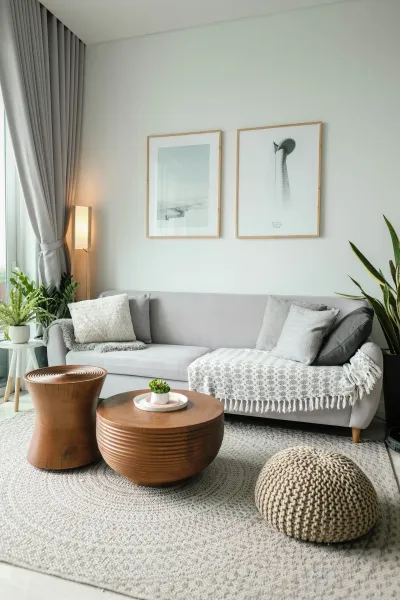
HORIZONTAL SURFACES ARE FOR DISPLAYING, NOT STORING.

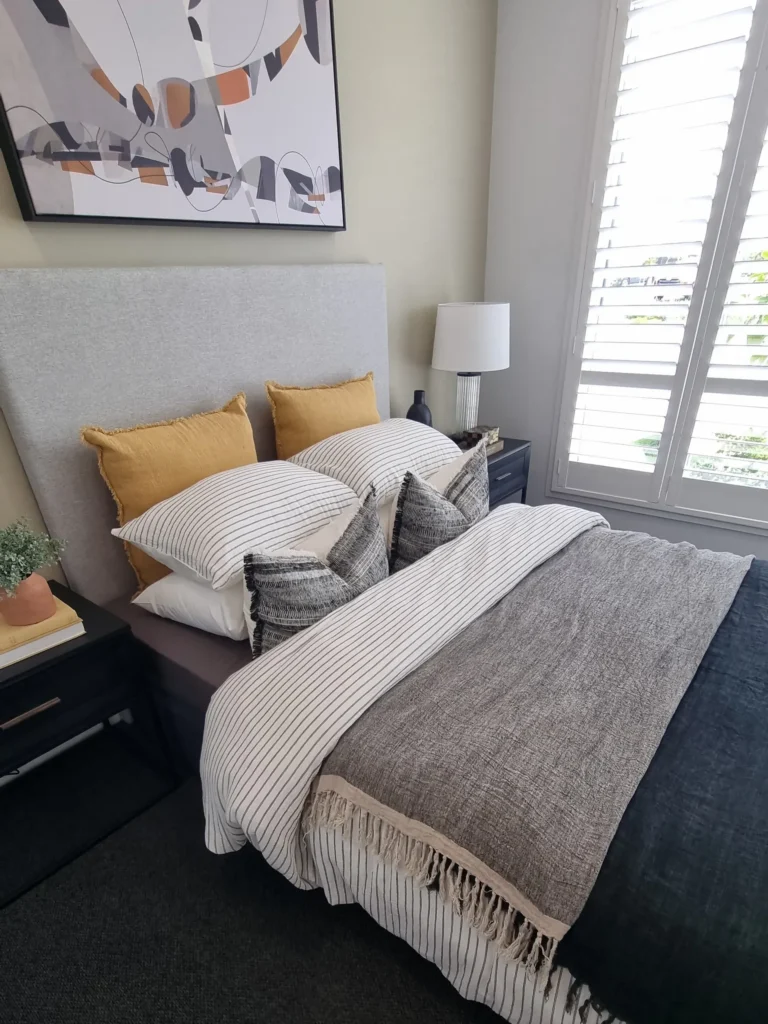
Have a lovely console in your entrance? Display a bunch of flowers and bowl for keys – not every book you own or everyone’s hats and shoes. The same goes for dining tables, bedside tables and chairs in bedrooms – they are not wardrobes.
minh-pham-OtXADkUh3-I-unsplash.jpg


WE ALL HAVE EXCUSES NOT TO ROLL UP OUR SLEEVES AND GET STARTED. “I HAVE NO TIME”.

Set your timer and put on some music – start with 15 minutes and one area, like the dining table. I promise you the sight of a table set for a lovely meal with friends will put a smile on your face every time you walk past it.

Make sure you take before and after photos too – it’s good to be reminded of your progress.


“I’M TERRIBLE AT MAKING DECISIONS”.

You don’t always have to throw things out – sorting them and putting them into a box and then out of sight to make the final decision later is ok. 12 months later, if you haven’t missed anything it’s highly unlikely you want or need them.

– move them on.

“MY WARDROBE IS A MESS, AND I DON’T KNOW WHERE TO START”.

Fantastic Finds and Fabulous Things personal stylist Meaghan Smith suggests taking time to think about what clothes represent who you are now – pieces that work for you and your lifestyle. Once you’ve identified this, letting go of things is easy.

“I HAVE SO MANY SENTIMENTAL THINGS; I WANT TO KEEP THE MEMORIES ALIVE”.

Mel McNamara from A Place to Call Home came across this situation so many times over the years in her role as a stylist – she created a company that takes professional photos and documents the stories of the people and the memories created in the home and compiles a beautiful coffee table book that honours the memories and can be passed onto future generations.

GIVE BACK

There are many local charities that will be grateful to receive your donations. Regularly decluttering my boys’ toy boxes was easier once I explained to them that there are many children in our society that would love to receive things they had duplicates of or had outgrown.

In my role volunteering for a charity that sets up havens for women and children displaced by family violence I have seen first-hand how your donations change lives.


SURRENDER AND ACCEPT.

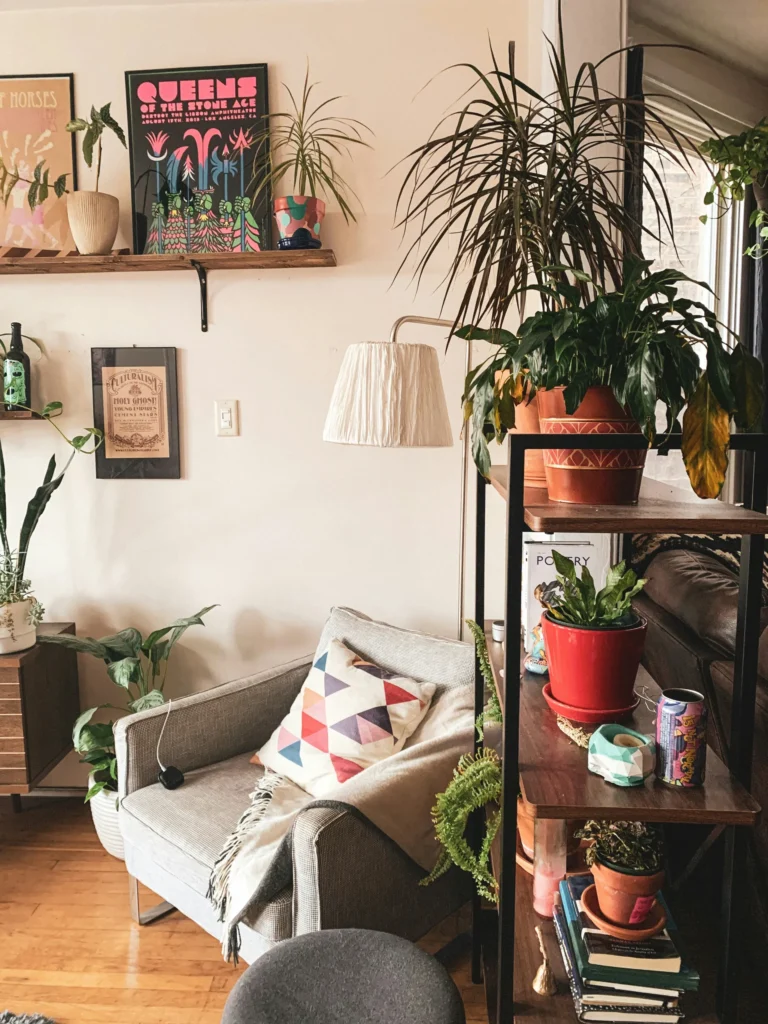
For those of you who like to be surrounded by walls full of photos, get lost in a mountain of cushions on the sofa and have your entire library of books piled up around you – embrace it. It’s your space and it should feed your soul.

I’m off now to take a bag full of clothes to the local Salvos. Happy Styling

Kylie
More from

Home

Sentimental Clutter: How to Let Go of Items Without Losing the Memories
Home

Sentimental Clutter: How to Let Go of Items Without Losing the Memories

By Kylie Harding Styled to Sell  Perfection is overrated – it’s not just something I tell myself and my clients; it’s something I truly believe.  Most of us don’t want to live in a display home devoid of personality – our homes should reflect who we are and show off things we love. Living in clutter, however, has been shown to affect our mental and physical health, so how do we find balance? DECLUTTERED DOESN’T MEAN MINIMALIST. Decluttering is not the same as stripping everything back to essentials. It is removing unnecessary items from an untidy or overcrowded place, and only you can decide what is unnecessary. DON’T MISTAKE CLUTTERED FOR COSY. Hygge is the Scandinavian concept for cosy – time away from the rush, time to enjoy simple indulgent pleasures like candlelight and comfort food – it is more about slowing down and relaxing; cosy doesn’t involve surrounding yourself with ‘stuff.’ MY SELF-IMPOSED DECLUTTERING RULES. As a stylist and a sentimental person, I am tempted by beautiful things every day… So I have strict rules I follow – rules my family loves reminding me about (often). I also call in the experts sometimes. ONE THING IN, ONE THING OUT No matter what it is – whether it’s a new dress or a vase, if I bring it into the house, something must leave.  A PLACE FOR EVERYTHING AND EVERYTHING IN ITS PLACE. Scissors in the kitchen drawer, passports in the filing cabinet – life is less stressful when you know where things are and saves you money by not buying multiples of one thing – sticky tape anyone? If your rice cooker needs to live in the laundry, then it’s time to clear a space for it in the kitchen where it belongs. If your house doesn’t have good storage there are beautiful baskets for children’s toys, vacuum bags for excess clothes, and beds with base storage – make storage your friend. HORIZONTAL SURFACES ARE FOR DISPLAYING, NOT STORING. Have a lovely console in your entrance? Display a bunch of flowers and bowl for keys – not every book you own or everyone’s hats and shoes. The same goes for dining tables, bedside tables and chairs in bedrooms – they are not wardrobes.   WE ALL HAVE EXCUSES NOT TO ROLL UP OUR SLEEVES AND GET STARTED. “I HAVE NO TIME”. Set your timer and put on some music – start with 15 minutes and one area, like the dining table. I promise you the sight of a table set for a lovely meal with friends will put a smile on your face every time you walk past it. Make sure you take before and after photos too – it’s good to be reminded of your progress.    “I’M TERRIBLE AT MAKING DECISIONS”. You don’t always have to throw things out – sorting them and putting them into a box and then out of sight to make the final decision later is ok. 12 months later, if you haven’t missed anything it’s highly unlikely you want or need them. – move them on.  “MY WARDROBE IS A MESS, AND I DON’T KNOW WHERE TO START”. Fantastic Finds and Fabulous Things personal stylist Meaghan Smith suggests taking time to think about what clothes represent who you are now – pieces that work for you and your lifestyle. Once you’ve identified this, letting go of things is easy.  “I HAVE SO MANY SENTIMENTAL THINGS; I WANT TO KEEP THE MEMORIES ALIVE”. Mel McNamara from A Place to Call Home came across this situation so many times over the years in her role as a stylist – she created a company that takes professional photos and documents the stories of the people and the memories created in the home and compiles a beautiful coffee table book that honours the memories and can be passed onto future generations. GIVE BACK There are many local charities that will be grateful to receive your donations. Regularly decluttering my boys’ toy boxes was easier once I explained to them that there are many children in our society that would love to receive things they had duplicates of or had outgrown. In my role volunteering for a charity that sets up havens for women and children displaced by family violence I have seen first-hand how your donations change lives.   SURRENDER AND ACCEPT. For those of you who like to be surrounded by walls full of photos, get lost in a mountain of cushions on the sofa and have your entire library of books piled up around you – embrace it. It’s your space and it should feed your soul.  I’m off now to take a bag full of clothes to the local Salvos. Happy Styling!

Feng Shui for Calm Homes: Reduce Overstimulation & Stress
Home

Feng Shui for Calm Homes: Reduce Overstimulation & Stress

By Suzanne Butler from Harmonising Energies Feng Shui Styling for mental wellbeing through feng shui In a world of constant notifications, emotional demands and pressure to always be “on”, many of us are living in a near-permanent state of nervous system overload. While therapy, mindfulness and healthy boundaries all play an important role, there is another influence quietly shaping how we feel each day – our home environment. From a feng shui perspective, your home is more than just a place to live. It is an energetic extension of you. When a space feels chaotic or misaligned, even the best self-care routines can struggle to take hold. A calm home does not just look peaceful, it helps regulate how you feel. Feng shui and the nervous system Long before modern neuroscience explored the connection between environment and mental wellbeing, feng shui recognised the powerful relationship between space and emotion. When a home feels out of balance, people often notice subtle shifts in how they experience daily life — difficulty switching off at night, restless sleep, irritability or a lingering sense of unease. These responses are not always personal shortcomings; sometimes they are simply signals that the environment is not supporting the nervous system as well as it could. Calm is flow, not minimalism One of the biggest misconceptions about calm interiors is that they need to feel stark or minimalist. From a feng shui lens, an overly empty space can feel just as unsettling as one that is cluttered. True calm comes from balance rather than absence. A feng shui-aligned home focuses on gentle flow and comfort. Furniture placement should allow easy movement through a room, helping energy circulate naturally. Key pieces such as beds and desks are ideally positioned so you can see the doorway without being directly in line with it, creating a sense of ease and awareness. Balance between yin and yang is also important. Too much brightness or activity can feel agitating, while heavy, dark spaces may feel stagnant. Rugs, artwork and thoughtfully grouped furniture can help create a sense of containment, allowing the body to relax and feel held within the space. Colour, light and sensory load Colour plays a powerful role in how a room feels. Highly saturated tones or excessive contrast can feel overstimulating, particularly in bedrooms, living areas and workspaces. That does not mean avoiding colour altogether, it simply means using it with intention and balance. Similarly, lighting has a profound impact on mood. Harsh overhead lighting can keep the body in a state of alertness, while layered lighting allows your home to support different rhythms throughout the day. Bright light can encourage focus and energy, while softer, warmer tones help signal rest. When clutter becomes emotional noise Clutter is not just a visual issue. In feng shui, unused or broken items, emotionally charged objects or belongings tied to past versions of ourselves can create energetic noise. Even when we stop consciously noticing them, our nervous system continues to register their presence. A calm home does not need to be spotless or minimal. Instead, it feels clear, intentional and supportive of who you are today. A home that supports, not performs It is easy to create a space that looks beautiful on the surface yet feels oddly uncomfortable to live in. True wellbeing comes when a home supports both rest and productivity, reflects your current life and allows you to soften rather than brace. Calm is not about buying more or chasing perfection. Often, it begins with small shifts like moving furniture, adjusting lighting or letting go of what no longer serves you. When a home feels aligned, it becomes more than a showpiece. It becomes a quiet source of support in an overstimulated world.

FOR ART’S SAKE
Home

FOR ART’S SAKE

Artwork has a quiet way of transforming a space. The right piece can soften a room, add depth, or tell a story about who you are and where you have been. Yet many people find themselves asking the same questions: What art should I buy? Where do I find it? And once I have it, where does it actually go? While art should always reflect your personal style, there are a few simple considerations around size, scale and placement that help a piece feel naturally at home within a space. When those details are right, the room instantly feels more balanced and complete. Where to start Take a look around your home. Are there walls that feel sparse or lacking personality? If you are unsure, try taking photos of your rooms and viewing them as a two-dimensional image. Seeing the space from a different perspective often makes it easier to spot areas where artwork could add interest and elevate the overall look. Why add art? Art has the power to set the tone of a room. It can feel elegant, playful, cultured or calming, depending on the pieces you choose. Artwork might reflect your personality, celebrate your travels or simply introduce colour and texture. Even a single thoughtfully placed piece can transform the atmosphere of a space. Make it personal Some of the most meaningful displays come from your own memories. Travel photographs, favourite family moments or meaningful milestones can create a beautiful gallery wall while keeping special experiences front of mind. Framed movie posters from a local cinema or concert tickets from a memorable night out are also creative ways to showcase your interests and spark conversation when guests visit. Think outside the box Artwork does not always need to be a traditional canvas. Macramé wall hangings, vintage rugs or even textiles such as kimonos can look striking when displayed on a wall. These unexpected pieces add texture, warmth and a sense of individuality to a room. The power of framing Never underestimate the impact of a good frame. When displaying a collection of photos or prints, sticking to one or two frame styles helps create a cohesive look. Classic black or white frames often feel timeless and allow the artwork itself to remain the focus. About the author Kylie Harding Founder of Styled to Sell, Stylist and Contributor Kylie Harding is the founder of Styled to Sell, a property styling business she has run for more than 25 years. Instagram Website

The Command Centre Every Mother Deserves: Meet The Skylight Calendar
Home

The Command Centre Every Mother Deserves: Meet The Skylight Calendar

There is a specific kind of “mental load” that comes with modern motherhood. It’s the invisible weight of remembering that Tuesday is library day, Thursday is soccer practice and digging through the depths of your inbox for a school PDF with the exact time of the choir assembly. For many mothers, the family “command centre” is still a messy fridge covered in magnets or a frantic scroll through emails. A digital calendar like Skylight offers a more visible, shared way to keep a household on track. Designed to help families stay in sync, it can reduce some of the day-to-day friction that comes with managing multiple schedules, appointments and responsibilities. With Mother’s Day approaching, it fits naturally into the category of gifts that feel both thoughtful and genuinely practical. Beyond the basic schedule At first glance, the Skylight Calendar is a 15-inch HD touchscreen designed to sit comfortably in a kitchen or shared family space. But its value lies less in how it looks and more in how it functions within a busy household. Unlike traditional apps that stay tucked away on individual phones, a digital calendar in a central location creates a shared point of reference for the whole family. It can sync with platforms such as Google, iCloud, and Outlook, helping bring multiple schedules into one place. With dedicated Family Profiles, each person has their own colour, making it easier to see at a glance who needs to be where and when. The two-way sync also means changes made on a phone during the day can be reflected on the screen at home, which can help reduce the back-and-forth that often falls to one person to manage. Solving the dinner dilemma The most common questions in any household is “What’s for dinner?” Having meal planning built into the same family hub can make everyday decisions feel a little less scattered. Skylight allows users to map out breakfast, lunch and dinner for the week, which can help take some of the pressure off last-minute planning. There are also features designed to make meal organisation more manageable. Using the Fridge Photo function, families can take photos of what they already have and receive recipe suggestions based on those ingredients. Recipes from magazines, handwritten cards or screenshots can also be added digitally using Magic Import, helping to keep everything in one place. For mothers carrying the cognitive load of planning meals, shopping and prep, small systems like these can make a meaningful difference. Motivating the little humans Another challenge many mothers face is not just keeping track of what needs to be done but reminding everyone else to do their part. The Interactive Chore Chart is designed to give children more visibility over their own routines, allowing tasks to be clearly displayed and ticked off once completed. For some families, that can help shift chores from being constant verbal reminders to something more independent and consistent. For households using the Plus plan, the Star-Powered Rewards system adds an extra layer of motivation, with children earning stars for completing tasks and working towards small rewards. More broadly, it can support a stronger sense of shared responsibility at home and make the invisible work of running a household a little more visible to everyone. A gift that keeps on giving When it’s not being used as an organisational tool, the Skylight Calendar can also display family photos, allowing it to feel like a natural part of the home rather than just another piece of tech. As Mother’s Day approaches, useful gifts often resonate more deeply than symbolic ones. A digital calendar like Skylight does not claim to solve the complexities of motherhood, but it can help ease some of the small, cumulative stresses that build up over time. By creating one central place for schedules, meals, chores and reminders, it offers mothers something many of them need more of: a little more clarity, and a little less mental clutter. It is now available for purchase at JB Hi-Fi and the Skylight website. au.myskylight.com/calendar