We spend plenty of time thinking about how our homes look. But what if we paid more attention to how they make us feel?
That’s the thinking behind neuroarchitecture, an approach to design that considers how our brains and nervous systems respond to the spaces around us.
Australian neuroarchitect Ozge Fettahlioglu says that while traditional architecture and interior design often begin with aesthetics and function, neuroarchitecture starts with a different question: what do we want this space to help us feel and do?
It’s an approach she put to the test when renovating her own family beach house.
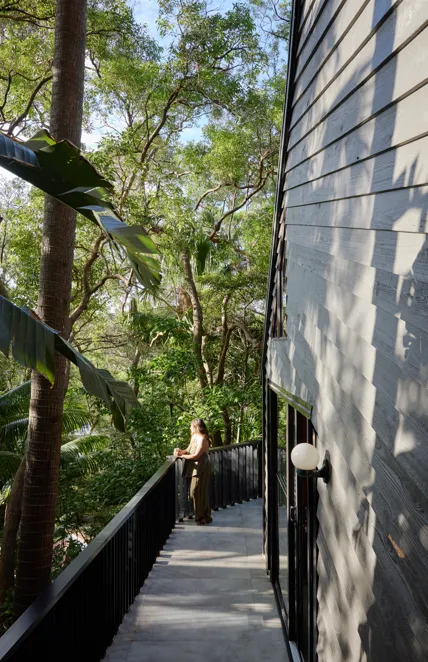
“We fell in love with our beach house the moment we saw it: high ceilings, wood cladding, the nostalgic charm of a treehouse, a century-old Angophora on the block,” she says.
But despite its beauty, the house lacked adequate natural light, airflow and good acoustics. Fettahlioglu decided to turn it into what she calls a “living laboratory”, applying the same evidence-based design principles she uses professionally.
Central to the renovation was biophilic design – essentially, designing to strengthen our connection with nature.
“You’ve already felt biophilic design working on you dozens of times without knowing its name,” Fettahlioglu says. “It’s nature’s Wi-Fi: invisible, but you feel its effects wherever you go.”
And no, that doesn’t mean filling every room with pot plants.
Natural light, views of greenery and sky, airflow and materials such as timber, stone and natural fibres can all influence how a space feels.
“Natural light regulates our circadian rhythm, affecting sleep, mood and energy far more than most people realise,” she says.
Layout matters, too. A home that funnels everyone into one noisy space can contribute to overstimulation, while creating distinct areas for rest, focus and connection can help us switch gears.
Fettahlioglu says one mistake is blindly following interior-design rules without considering how we actually use a space.
A sofa pushed against a wall, for example, might horrify some design purists – but Fettahlioglu says humans instinctively like to feel protected from behind.
“Your home should feel like a sanctuary, not a stage set where you are the vulnerable prop.”
The good news is you don’t need a major renovation to apply these principles.
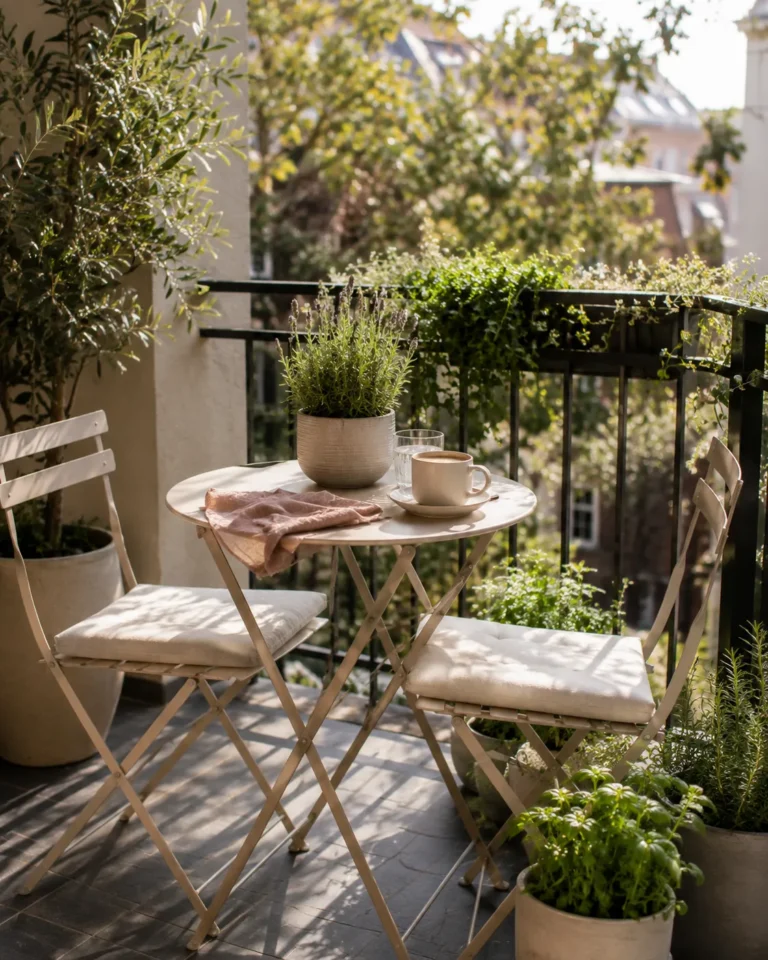
Fettahlioglu recommends introducing what she calls “Vitamin N” – nature – through plants, landscape artwork or natural textures. Swap synthetic fabrics for linen, wool or cotton where possible and incorporate timber in places you’ll actually touch, such as a desk, stool or handrail.
Her most important advice, however, comes before choosing paint colours, tiles or furniture.
“Ask what each space needs to help you do: rest, focus, connect, recover – and let that guide the light, materials and layout,” she says.
“A beautiful home that leaves you stressed, sleepless or drained isn’t doing its job.”