Travel

London calling

London calling

  Now that long-haul travel is back on the cards, where better to whet your cultural appetite than London, baby? We have rounded up the best outings to enjoy as a family that won’t break the bank.  Words: Charmaine Yabsley  After many, many months in lockdown, the world is on the move once more. In fact, 56 percent of Australians are planning a long-haul overseas trip this year, with the top destinations landing in the UK and Europe. With the poor exchange rate, your bucket-list trip may seem out of reach. We hit the London streets to find out where you can enjoy the best of London town without it costing the earth. 

How to get around 

There is no better way to view London than from the river. You can opt for guided boat cruises (which are expensive) or do what the locals do and travel on the Uber boat. Use your Oyster card (the Underground travel pass, which can be downloaded to your wallet) and buy a Family River Roamer pass. A family ticket is valid for two adults and up to three children, aged between 5 and 15 years (4s and under travel free). Boats leave regularly from twenty-four piers, including the new Battersea Power Station (a great place to entertain the kids if it’s raining), London Eye, Embankment, Bankside, Tower, Greenwich, and North Greenwich. You can use the ticket for 24 hours from the time of purchase. Or buy online for a further 10 percent discount (Visit https://booking.thamesclippers.com/). 

Walking is free 

Discovering the backstreets filled with nooks and crannies is one of the greatest delights of London. If you have had your fill of the Thames, then head to solid ground and start exploring. Remember, London covers more than 1500 square kilometres, so it is best to choose an area or borough and take your time to wander and soak up the sights. 

Tower Bridge[/caption] The history and culture of London greet you at every corner, which is why you should try to cover as much of the capital on foot. Use your boat pass to deliver you to your riverside destination, then go exploring. Most of the large museums are free (some special exhibitions involve a cover charge). Your can’t-miss list should include The Tate Modern: take the time to enjoy tea and cake overlooking the city; it is a terrific way to break up the enormous rooms of art. There are also many kid-friendly exhibitions and areas to entertain and engage the younger family members. (www.tate.org.uk)  Hop back aboard your boat, head down to Greenwich, and stand on the Prime Meridian Line. You do need to pay to visit the Royal Observatory and Planetarium, so if your funds don’t stretch that far, just soak up the atmosphere and view over the city from the lookout. Head down the hill to the National Maritim Museum; admission is free, and there is also a stunning art and sculpture exhibition in the extensive gardens. Meander through the cobbled streets to the market before finding your way to the Cutty Sark ship. (Hint: if you plan ahead, you can purchase a Family Royal Museums Greenwich Membership, which gives you access to all museums and the ship. Visit www.rmg.co.uk. If you are feeling energetic, head over to The Tide (North Greenwich Pier), near the O2 entertainment centre, for free activities, fitness classes, riverside dining, and Damien Hirst sculptures. (www.greenwichpeninsula.co.uk) 

Maritime museum, Greenwich[/caption] Disembark at Embankment and head up towards Leicester Square. Just behind Nelson’s Column, the famous fountain, and the four stone lions guarding the space, sits the newly renovated National Portrait Gallery. Beautifully curated, you will lose hours here. If your children are fans of story time, you can sign them up for the Little Explorers interactive adventures. (Admission is free, but book your tickets on www.npg.org.uk.)  If you have found yourself in Kensington Gardens, then take a left towards Harrods. For budding astronauts, designers, scientists and history buffs, you can’t miss the Science Museum, the Natural History Museum, and the V&A (www.sciencemuseum.org.uk, www.nhm.ac.uk; vam.ac.uk). Easily accessible in a day- but get there early – all three breathtaking buildings are located in South Kensington. All visitors to the museums are free, but you will need to reserve your ticket ahead of time. The museums also hold sleepovers, silent discos, and special events, so sign up for their newsletter to book your spot.  The area of Spitalfields is just next to the City of London; it has had a facelift over the past several years and now boasts an impressive market, ideal for souvenirs, indie clothing brands, eco-beauty products, food trucks, and treasures such as vinyl, books, and photographs to rifle through. For an impressive (and free) view of the city, head to the Sky Garden. Found on Floor 37 of 20 Fenchurch Street, known as the Walkie-Talkie building, it is free to visit if you book ahead online. Take the lift and find yourself deposited amongst several storeys of greenery, overlooking the city. It’s free to visit, but if you want to enjoy a drink or dinner at one of the restaurants in the building, you’ll need to book ahead (skygarden.london/sky-garden).  The Columbia Road Flower Market is one for the early birds; enjoy the kebabs, breakfast baps and coffee, served alongside the heady scent of flowers. Or, if you are heading south of the river, Borough Market is a foodie’s delight – there’s hundreds of food stalls to tempt your taste buds, plus a brewery, pubs, and wine bars to watch the world go by. Portobello Road Markets are always worth a visit, and who knows which celebrity you may spot? Get out early to avoid the crowds, wear comfortable shoes, and make a loose plan of the spots you want to hit throughout the day. ]

Horseguards Parade[/caption] For a free royal visit, take a stroll down Pall Mall towards Buckingham Palace. Then head towards Hyde Park and Kensington Gardens. There are free art exhibitions in Hyde Park (in the Serpentine Gallery) to enjoy, plus an impressive playground in Kensington Gardens.  Other worthy places to put on your itinerary are Richmond and Kew Gardens, the riverside walks through Regent Parks to Camden Market, and the beauty of Bloomsbury.  To plan your visit to London, visit www.visitlondon.com for information on tickets, opening hours and suggested itineraries. 

Where to stay 

There is no denying that London accommodation is expensive and small. However, the Apex City of London Hotel is perfect (and affordable!) for families, with family rooms, suites, and deluxe apartments. Each room is spacious, with large and comfortable beds and room to relax, watch television, or soak in the tub, using the luxurious Antipodes toiletries. The hotel also has its own fitness centre and infrared sauna – the perfect way to chill out after a day of exploring. There is a delicious on-site restaurant, The Lampery (the conservatory is especially Instagram-worthy with a gorgeous floral roof), and bar; do not miss the opportunity to enjoy a meal here. The service is impressive too. During our stay, staff members remembered our favourite coffee orders and were extremely helpful with our day’s itinerary. The hotel is the perfect size and location – it is within close proximity to the Tower of London yet is tucked away in a quiet street, away from the hustle and bustle of the city.  From the Apex City of London hotel, it is just a short walk to the Tower of London pier, where we easily purchased tickets on the clipper boat. Another morning, we crossed the Millennium Bridge for a wander along Southbank and its literary markets and aquarium. One sunny morning, we headed north along the riverfront, enjoying the brutalist architecture and hidden tunnels and parks of London, before popping out in front of St. Paul’s Cathedral.  The hotel is only ten minutes from the West End, making it ideal if you are planning to take in a show or theatre performance. The Apex offers guests Friday night tickets to a West End show (we were lucky enough to enjoy Wicked; don’t miss it!) Plus,  if you choose to stay two nights, you will enjoy a three-course meal at The Lampery on Saturday and a complimentary breakfast each morning to perfectly round off your stay. Visit www.apexhotels.co.uk.     
More from

Travel

Winter in Inverell – experience the warmth
Travel

Winter in Inverell – experience the warmth

As the temperatures begin to dip and mornings arrive wrapped in crisp country air, there’s something undeniably magical about escaping to the New England High Country in winter. Just a scenic five-hour drive from the Gold Coast, Inverell – affectionately known as the Sapphire City – transforms into a picturesque winter destination where open skies, rolling landscapes and warm country hospitality create the perfect seasonal getaway. A TOWN WITH A SPARKLING HISTORY Inverell earned its nickname thanks to the rich sapphire, quartz crystal and gemstone deposits found throughout the region. The area’s mining heritage remains a significant part of its story and visitors can still experience the excitement of fossicking and trying their luck at uncovering hidden treasures. The town’s history is also reflected through heritage sites and attractions that celebrate the people and pioneering spirit that helped shape the region. WINTER WALKS AND NATURAL BEAUTY Winter is one of the most beautiful times to experience Inverell’s landscapes. Cooler temperatures make exploring the outdoors even more enjoyable, with walking tracks and scenic lookouts providing stunning views across the region. One local favourite is Goonoowigal State Conservation Area, a scenic granite landscape where low hills and giant boulders create a striking backdrop against the winter sky. The area offers around ten kilometres of easy walking tracks winding through native woodland and alongside small creeks, making it ideal for leisurely strolls and nature lovers. Immerse yourself in history with the Goonoowigal Soundtrail, easily downloaded for the app store and google play. For spectacular panoramic views, head to McIlveen Park Lookout on Tabletop Mountain. From the viewing platform, visitors can take in magnificent views stretching east over Inverell township and beyond to the distant ranges – particularly beautiful during winter when the air is clear and the landscape seems endless. Lake Inverell also offers peaceful walking opportunities, while nearby Copeton Dam is perfect for fishing, camping and nights spent beneath star-filled skies. COUNTRY CHARM WITH A WARM WELCOME Beyond its natural beauty, Inverell delivers everything you could want from a country escape – cosy cafés, boutique shopping, hearty meals and genuine hospitality. Whether you’re seeking a relaxing weekend away or a longer winter adventure, Inverell combines history, nature and country charm into one memorable destination. This winter, pack the jacket, hit the road and discover the beauty of Inverell – where fresh country air and warm welcomes await. For more information and to plan your next escape visit inverell.com.au

Winter Escapes start in the Glen Innes Highlands
Travel

Winter Escapes start in the Glen Innes Highlands

Cool days, warm welcomes, and countryside charm. Swap traffic for open roads, noise for nature, and busy schedules for a slower pace. Hidden within the heart of New South Wales’ New England region, the Glen Innes Highlands become something truly special during winter. Crisp mountain mornings, rolling mist, sparkling frosts and genuine country hospitality create the perfect setting for a memorable escape. If you’re searching for a destination that blends breathtaking scenery, outdoor adventure, fascinating heritage and authentic local charm, the Highlands offer all this and more. Winter in the region brings together the best of both worlds. Embrace cosy moments beside an open fire, enjoy unique farm stay experiences and wake to frosty mornings before setting out to explore nearby national parks and scenic landscapes. Whether you’re travelling as a couple, with family, or simply taking time for yourself, Glen Innes Highlands invites visitors to slow down, wrap up warm and immerse themselves in a season filled with comfort, character and a little winter magic. Warm Up, Head Out and Discover More Spend your days relaxing beside a crackling fire in a charming country cottage, or venture outdoors to explore ancient rainforests, scenic walking trails and country roads leading to unforgettable views. You might even catch a glimpse of snow or uncover a sparkling sapphire treasure along the way. Adventure feels different here. It doesn’t demand attention; it quietly invites you in. Instead of crowds and queues, you’ll discover meaningful moments, friendly faces and experiences that stay with you long after you’ve returned home. If you’re travelling through and need a place to stop, recharge or check in with the office, the Glen Innes Highlands Hub offers the perfect space to reconnect and work remotely while enjoying the charm of the Highlands.     Ideal for digital nomads, remote workers, travelling professionals and business owners, the Hub provides fast Wi-Fi, flexible coworking spaces, private meeting rooms and a welcoming environment right in the heart of town. It’s the perfect place to answer emails, jump on a video call or reset between destinations before continuing your journey through the New England region. gleninneshighlandshub.com or call us (02) 67302409 Comfort Food and Country Flavour After a day of exploring — or simply unwinding with a good book by the fire — there’s nothing better than enjoying food designed to warm both body and soul. Think slow-cooked meals, freshly baked scones with jam and cream, hearty country favourites and delicious paddock-to-plate dining experiences. Pair local flavours with regional wines, handcrafted gin or award-winning brews while soaking up the welcoming atmosphere found throughout the Highlands’ pubs, cafés and eateries. If you’re staying in self-contained accommodation, stock up on local produce and create your own cosy feast at day’s end. Need a coffee before heading out? You’ll find plenty of cafés and artisan stores ready to fuel your next adventure. Around here, you’ll quickly discover that the only thing that happens fast is how quickly the place begins to feel like home.  Stay Your Way The Glen Innes Highlands offer accommodation to suit every traveller and budget. Choose from boutique stays, heritage cottages, welcoming bed and breakfasts, farm stays, caravan parks, family-friendly motels and self-contained accommodation ideal for groups and extended stays. Whether you’re planning a solo retreat, a romantic getaway or a family escape, you’ll find the perfect place to settle in and unwind. Some stays even come with stories and history almost as memorable as the experience itself. For something a little different, explore the Glen Innes Highlands accommodation guide or contact the Visitor Information Centre. The Heart of the Highlands While the landscapes are spectacular, it’s the people who truly make this place memorable. From local shop owners greeting you with a smile, to talented makers creating handcrafted treasures, to friendly locals who make you feel instantly welcome — this is where connection happens naturally. This is Glen Innes Highlands. Where warm welcomes come easily, unforgettable memories are waiting to be made, and breathing in the fresh country air feels good for the soul. Come for the cool mountain air, stay for the connection, and experience the warmth for yourself. Get in here. Discover more and plan your winter escape at Glen Innes Highlands. Gleninneshighlands.com  

The New Luxury Escape
Travel

The New Luxury Escape

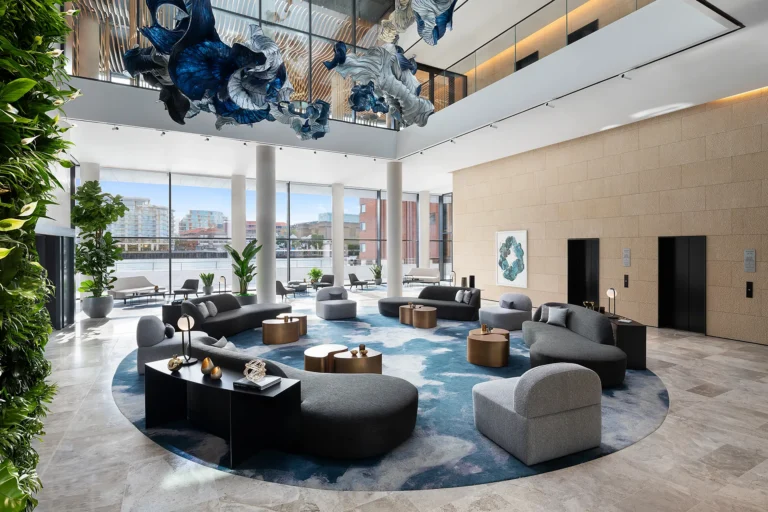
Words: Charmaine Yabsley  Travel is no longer just about escape, but about feeling good. And hotels are responding by creating experiences that prioritise longevity, mindfulness and emotional wellbeing over extravagance alone. We visit two London hotels to check in and chill out.   For years, hotels competed on thread counts, rooftop bars and Michelin-starred restaurants. Now, the new luxury is health and relaxation. This month, Get It magazine travelled to London, where hotels are increasingly being designed not just as places to sleep, but as sanctuaries where guests can restore, recover and recalibrate.  From meditation rooms and plant-based menus to thermal suites, sleep programs and biohacking treatments, wellness tourism has shifted from niche indulgence to mainstream expectation. According to the Global Wellness Institute, wellness tourism is now one of the fastest-growing sectors of travel, with travellers increasingly seeking experiences that support physical and emotional wellbeing, whether it’s after a long day of travel, meetings, or merely as city breaks with a healthy twist.   West London wellness  One of the pioneers of this movement is the boutique chain Inhabit. Their Queen’s Gardens address is described as London’s first “mindfulness hotel” and created around the idea that urban travel does not need to come at the expense of mental and physical health. (The chain also has a sister hotel nearby – Inhabit, Southwick Street. Both are just 15 minutes to the West End.)  Nadira Lalji, co-founder of Inhabit says: “Inhabit was created to inspire healthier habits long before wellness hospitality became a trend – supporting how people rest, move, eat and live more consciously in an age of excess and burnout. There’s been a clear shift in what people want from escapism to restoration – guests want to leave feeling genuinely better, calmer and more connected than when they arrived and we hope that a stay at Inhabit makes them feel just that.”  As soon as you enter, you’re whisked away from the bustling Marylebone Road to an oasis of calm. It’s a world of neutral palettes, natural textures and quiet communal spaces designed to encourage reflection. The spacious bedrooms are designed to improve your sleep quality, with clutter-free interiors, soothing aqua shades, and natural materials. Rooms include bespoke aromatherapy products, wellness books, phone lock boxes (ideal if you’re cutting down on screen time), and the luxurious Inhabit sleep kit complete with a magnesium sleep spray, a silk eye mask and cashmere bed socks. The large family rooms also offer a comfortable sofa and enough space for the entire family to unwind.   The spa, Inhale, is inspired by four pillars – Calm, Balance, Awaken, Strengthen – designed to create equanimity. Downstairs, in the Zen-like workout space, yoga sessions, Pilates or guided meditation, and take advantage of the wood-paneled gym, which has a Peloton bike for live or virtual workouts. If nature walks are more to your taste, nearby Hyde Park is just around the corner, where you can also rent bikes to explore. After a day trawling the wares of Portobello Road, the steam and sauna room were a welcome retreat. We’d also had the foresight to book a massage at beauty spa, which offered divine Gaia treatments.    Food is also a continuation of the nourishing theme. The restaurant, a bespoke offering of plant-centric cuisine restaurant Yeotown caters to all health and dietary requirements (don’t miss the morning smoothies!). Guests can skip the greasy fry-ups in favour of homemade granolas, chia and oat waffles, smashed avocado toasts or their classic Yeotown eggs Benedict. Lunchtime brings an abundance of fresh salads, hearty curries and colourful grain bowls, while dinnertime offers a wide range of family friendly meals such as gluten free pizzas – ideal for all tastes.    City Escape  At the luxury end of the spectrum, The Westin London City demonstrates how major international brands are also embracing wellness as a defining feature rather than an optional extra. Opened as Westin’s first UK property, the hotel was designed around the brand’s six wellness pillars, which include sleep, nourishment, movement and mindfulness.  The design itself feels intentionally calming from the moment you enter. Think soft neutral tones, oversized windows flooding the interiors with natural light, pale timbers, textured stone and contemporary furnishings that soften the pace of the city outside. Floor-to-ceiling windows frame views across the Thames, creating an atmosphere that feels surprisingly serene for central London.  What sets the property apart is its extensive spa and fitness offering. The hotel features a 12-metre indoor swimming pool – still something of a rarity in London hotels – alongside a vitality pool, sauna, steam room, sensory showers and an ice fountain. Children of all ages are welcome (at set times). Having space to swim, splash and burn off extra energy makes an enormous difference to your family’s overall enjoyment of a holiday. Being able to return to the hotel for a dip in the pool and soak in the spa before heading out for the evening turned our break from exhausting to restorative.   And for the adults, there’s further escape on offer. The Heavenly Spa by Westin is a destination in itself: it’s open to overnight guests the general public (you do need to book your treatments in advance). Treatments focus on stress reduction, sleep support and recovery, while the fitness studio and wellness programming encourage guests to maintain healthy routines while travelling. If you’re a keen runner who likes to stick to their routine while on holiday, the hotel offers a ‘run club’ for those keen to explore the city streets on foot. Prefer silence? The spa offers a floating sound bath session where your body and mind are treated to sensory bliss Dining also leans into the hotel’s wellness philosophy. The hotel restaurant, Hithe + Seek, pairs panoramic river views with a menu built around seasonal produce, small plates and carefully curated wines and cocktails. Breakfasts are particularly impressive, with fresh juices, nourishing options and generous hot selections that cater equally well to wellness-conscious travellers and hungry families preparing for a day of sightseeing.  The family rooms are a size that’s rare in London. Two double beds, plus the requested fold-out single bed, would cramp a typical hotel space. At Westin, we still had room to relax and watch the boats sail serenely along the Thames while planning our itinerary.  The location itself is also a treat for little legs. Positioned near the Millennium Bridge and St Paul’s Cathedral, it’s a short walk across the river to the Tate Modern, Shakespeare’s Globe, Borough Market (go early before the crowds), London Bridge and the water taxis that spirit you to the southern pockets of the city. The riverside promenade is lively without feeling overwhelming, filled with buskers, cafés and pockets of green space that make exploring London on foot feel

48 Hours in Amsterdam
Travel

48 Hours in Amsterdam

Canals, cocktails and culture beyond the tourist trail are on show for the whole family as Get It spends two days exploring windmills, tulips and some serious art. There’s a reason travellers fall hard for Amsterdam. Yes, there are the postcard-perfect canals, crooked merchant houses and bicycles weaving past flower boxes. But spend 48 hours here and you’ll discover another side: hidden cocktail bars beneath bridges, sustainable fashion hubs in old shipyards, tiny brown cafés lit by candlelight and neighbourhoods where locals picnic beside the water long after sunset. And it’s all family friendly. With excellent train connections throughout Europe and easy onward access via Eurostar, Amsterdam also makes the perfect stopover city from Australia. Compact, walkable and endlessly atmospheric, it’s the perfect place to leave the real world behind. DAY ONE 8am: Start with coffee and canal views Begin in Jordaan, the city’s prettiest neighbourhood, where narrow streets open onto canals lined with leaning 17th-century houses. Once working class, the area is now filled with independent boutiques, galleries and cafés. For breakfast, head to Pluk Amsterdam for excellent coffee, pastries and acai bowls beneath shelves overflowing with flowers and citrus. Or try Saint-Jean Bakery, a tiny plant-based bakery locals queue for thanks to its pistachio cruffins and cardamom buns. Afterwards, simply walk. Amsterdam is best absorbed slowly, without a destination in mind. 11am: Museum hopping You could spend days inside Amsterdam’s museums, but with only 48 hours, choose wisely. The essential stop remains the Rijksmuseum, home to Dutch Masters including Rembrandt and Vermeer. Nearby, the Van Gogh Museum offers an intimate look at the artist’s life through letters, sketches and works spanning his troubled career. For contemporary culture, visit the Moco Museum, showcasing works by Banksy, Basquiat and Yayoi Kusama. Want something quieter? Museum Van Loon offers a glimpse inside a beautifully preserved canal house complete with hidden gardens. 1pm: Lunch beside the canals Make your way to De Pijp, one of Amsterdam’s liveliest districts. Bakers & Roasters blends New Zealand-style brunch with Brazilian influences and serves legendary ricotta hotcakes. Nearby, Albert Cuyp Market stretches for blocks selling stroopwafels, herring, vintage clothing and wheels of cheese. 3pm: Discover Amsterdam Noord Catch the free ferry behind Central Station to Amsterdam Noord, once industrial docklands and now one of Europe’s coolest creative districts. The standout is NDSM Wharf, a former shipyard transformed into a cultural hub filled with giant murals, waterside bars and shipping-container cafés. Beyond the street art and warehouses, Amsterdam Noord is increasingly becoming the city’s creative frontier, with adaptive reuse architecture, waterside cafés and spaces like A Lab drawing designers and artists away from the tourist centre. Nearby, thrill seekers can swing over the city at A’DAM Lookout. 6pm: Dining delights Amsterdam’s food scene has quietly become exceptional, with more than 20 Michelin-starred restaurants across the city. For something genuinely unusual, dine at Mediamatic ETEN, a waterfront greenhouse restaurant growing many of its own herbs and vegetables onsite. 9pm: Cocktails after dark Amsterdam after dark can be surprisingly sophisticated. Door 74 remains one of Europe’s great speakeasies, while Hiding in Plain Sight serves inventive cocktails beneath candlelight. In warmer months, locals spill onto the canalsides long after sunset. DAY TWO 8am: See the city from the water You can’t visit Amsterdam without experiencing the canals – literally. Skip the large tourist boats and instead book a small electric canal cruise with a local guide. Early morning is particularly beautiful, with reflections shimmering beneath arching bridges as the city slowly wakes. Of course, there’s also cycling. Amsterdam’s bike lanes are wide and easy to navigate, although locals ride fast and with absolute confidence. 10am: Hit the Shops The charming Nine Streets district (De Negen Straatjes) is filled with vintage stores, concept boutiques and independent labels. Browse Scandinavian interiors at Sukha Amsterdam or wander through hidden laneway boutiques. Nearby, De Hallen,  a former tram depot transformed into boutique cinemas, cafés and food stalls, captures Amsterdam’s increasingly design-led energy. Noon: Time for culture For contemporary art lovers, STRAAT Museum in Amsterdam Noord showcases large-scale street art and murals inside an enormous warehouse space. 2pm: Lunch like a local Locals increasingly escape the tourist-heavy centre for greener neighbourhoods including Amsterdam Oost. Here, De Kas has become one of the city’s most sought-after dining experiences. Set inside a greenhouse, many ingredients are harvested from onsite gardens just hours before serving. If you want something more casual, grab sandwiches and wine for a picnic in Vondelpark for some relaxation and people watching. 4pm: Hidden Amsterdam One of the city’s quietest treasures is the Begijnhof, a peaceful hidden courtyard dating back to the Middle Ages. Nearby, Our Lord in the Attic Museum reveals a secret Catholic church concealed inside a canal house. For something entirely unexpected, Electric Ladyland – the world’s only fluorescent art museum – offers one of Amsterdam’s quirkiest cultural detours, while Hortus Botanicus Amsterdam provides a calmer side to the city among centuries-old greenhouses and rare plants. 7pm: Final night indulgence End your 48 hours with dinner beside the canals at Café de Jaren or book a table at Moon, a revolving restaurant offering panoramic skyline views. Then walk the canals one final time: just watch out for the cyclists. Have More Time? The Dutch rail system is fast, clean and simple to navigate, with frequent trains departing from Amsterdam Centraal and contactless tap-on travel available throughout the network. Within 30 minutes, visitors can swap canal houses for tulip fields, beaches and windmills. In spring, the colourful tulip fields surrounding Lisse burst into bloom, while nearby Keukenhof showcases millions of flowers across its famous gardens. For classic Dutch postcard scenery, visit Zaanse Schans, where historic windmills stand beside canals and wooden houses. Alternatively, Haarlem offers boutique shopping and café culture without Amsterdam’s crowds, while coastal Zandvoort delivers beach clubs and North Sea sunsets just a short train ride away. Travel tip: The I Amsterdam City Card (https://www.iamsterdam.com/en/i-am/i-amsterdam-city-card) offers you a unique way to explore Amsterdam while saving money. You can access all the significant