Kylie Harding

Contributor

Kylie Harding

Founder of Styled to Sell, Stylist and Contributor

Kylie Harding is the founder of Styled to Sell, a property styling business she has run for more than 25 years. With a background spanning television, media and interiors, Kylie combines practical presentation advice with a warm, approachable style that helps homeowners create spaces buyers connect with emotionally. She is also a contributing writer covering interiors, lifestyle and home trends, with a focus on making beautiful living both achievable and authentic.

Articles by Kylie Harding

5 articles published

Sentimental Clutter: How to Let Go of Items Without Losing the Memories
Home

Sentimental Clutter: How to Let Go of Items Without Losing the Memories

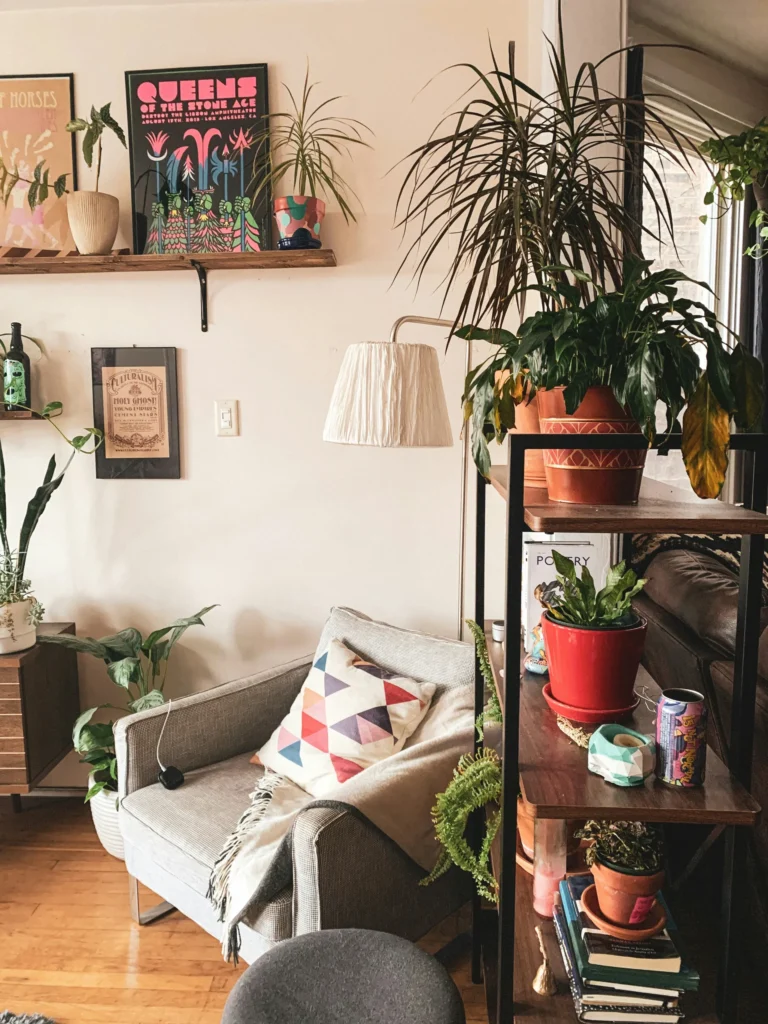
  Styled to Sell Perfection is overrated – it’s not just something I tell myself and my clients; it’s something I truly believe. Most of us don’t want to live in a display home devoid of personality – our homes should reflect who we are and show off things we love. Living in clutter, however, has been shown to affect our mental and physical health, so how do we find balance? DECLUTTERED DOESN’T MEAN MINIMALIST. Decluttering is not the same as stripping everything back to essentials. It is removing unnecessary items from an untidy or overcrowded place, and only you can decide what is unnecessary. DON’T MISTAKE CLUTTERED FOR COSY. Hygge is the Scandinavian concept for cosy – time away from the rush, time to enjoy simple indulgent pleasures like candlelight and comfort food – it is more about slowing down and relaxing; cosy doesn’t involve surrounding yourself with ‘stuff.’ MY SELF-IMPOSED DECLUTTERING RULES. As a stylist and a sentimental person, I am tempted by beautiful things every day… So I have strict rules I follow – rules my family loves reminding me about (often). I also call in the experts sometimes. ONE THING IN, ONE THING OUT No matter what it is – whether it’s a new dress or a vase, if I bring it into the house, something must leave. A PLACE FOR EVERYTHING AND EVERYTHING IN ITS PLACE. Scissors in the kitchen drawer, passports in the filing cabinet – life is less stressful when you know where things are and saves you money by not buying multiples of one thing – sticky tape anyone? If your rice cooker needs to live in the laundry, then it’s time to clear a space for it in the kitchen where it belongs. If your house doesn’t have good storage there are beautiful baskets for children’s toys, vacuum bags for excess clothes, and beds with base storage – make storage your friend. HORIZONTAL SURFACES ARE FOR DISPLAYING, NOT STORING. Have a lovely console in your entrance? Display a bunch of flowers and bowl for keys – not every book you own or everyone’s hats and shoes. The same goes for dining tables, bedside tables and chairs in bedrooms – they are not wardrobes.   WE ALL HAVE EXCUSES NOT TO ROLL UP OUR SLEEVES AND GET STARTED. “I HAVE NO TIME”. Set your timer and put on some music – start with 15 minutes and one area, like the dining table. I promise you the sight of a table set for a lovely meal with friends will put a smile on your face every time you walk past it. Make sure you take before and after photos too – it’s good to be reminded of your progress.   “I’M TERRIBLE AT MAKING DECISIONS”. You don’t always have to throw things out – sorting them and putting them into a box and then out of sight to make the final decision later is ok. 12 months later, if you haven’t missed anything it’s highly unlikely you want or need them. – move them on. “MY WARDROBE IS A MESS, AND I DON’T KNOW WHERE TO START”. Fantastic Finds and Fabulous Things personal stylist Meaghan Smith suggests taking time to think about what clothes represent who you are now – pieces that work for you and your lifestyle. Once you’ve identified this, letting go of things is easy. “I HAVE SO MANY SENTIMENTAL THINGS; I WANT TO KEEP THE MEMORIES ALIVE”. Mel McNamara from A Place to Call Home came across this situation so many times over the years in her role as a stylist – she created a company that takes professional photos and documents the stories of the people and the memories created in the home and compiles a beautiful coffee table book that honours the memories and can be passed onto future generations. GIVE BACK There are many local charities that will be grateful to receive your donations. Regularly decluttering my boys’ toy boxes was easier once I explained to them that there are many children in our society that would love to receive things they had duplicates of or had outgrown. In my role volunteering for a charity that sets up havens for women and children displaced by family violence I have seen first-hand how your donations change lives.   SURRENDER AND ACCEPT. For those of you who like to be surrounded by walls full of photos, get lost in a mountain of cushions on the sofa and have your entire library of books piled up around you – embrace it. It’s your space and it should feed your soul. I’m off now to take a bag full of clothes to the local Salvos. Happy Styling Kylie

Sentimental Clutter: How to Let Go of Items Without Losing the Memories
Home

Sentimental Clutter: How to Let Go of Items Without Losing the Memories

By Kylie Harding Styled to Sell  Perfection is overrated – it’s not just something I tell myself and my clients; it’s something I truly believe.  Most of us don’t want to live in a display home devoid of personality – our homes should reflect who we are and show off things we love. Living in clutter, however, has been shown to affect our mental and physical health, so how do we find balance? DECLUTTERED DOESN’T MEAN MINIMALIST. Decluttering is not the same as stripping everything back to essentials. It is removing unnecessary items from an untidy or overcrowded place, and only you can decide what is unnecessary. DON’T MISTAKE CLUTTERED FOR COSY. Hygge is the Scandinavian concept for cosy – time away from the rush, time to enjoy simple indulgent pleasures like candlelight and comfort food – it is more about slowing down and relaxing; cosy doesn’t involve surrounding yourself with ‘stuff.’ MY SELF-IMPOSED DECLUTTERING RULES. As a stylist and a sentimental person, I am tempted by beautiful things every day… So I have strict rules I follow – rules my family loves reminding me about (often). I also call in the experts sometimes. ONE THING IN, ONE THING OUT No matter what it is – whether it’s a new dress or a vase, if I bring it into the house, something must leave.  A PLACE FOR EVERYTHING AND EVERYTHING IN ITS PLACE. Scissors in the kitchen drawer, passports in the filing cabinet – life is less stressful when you know where things are and saves you money by not buying multiples of one thing – sticky tape anyone? If your rice cooker needs to live in the laundry, then it’s time to clear a space for it in the kitchen where it belongs. If your house doesn’t have good storage there are beautiful baskets for children’s toys, vacuum bags for excess clothes, and beds with base storage – make storage your friend. HORIZONTAL SURFACES ARE FOR DISPLAYING, NOT STORING. Have a lovely console in your entrance? Display a bunch of flowers and bowl for keys – not every book you own or everyone’s hats and shoes. The same goes for dining tables, bedside tables and chairs in bedrooms – they are not wardrobes.   WE ALL HAVE EXCUSES NOT TO ROLL UP OUR SLEEVES AND GET STARTED. “I HAVE NO TIME”. Set your timer and put on some music – start with 15 minutes and one area, like the dining table. I promise you the sight of a table set for a lovely meal with friends will put a smile on your face every time you walk past it. Make sure you take before and after photos too – it’s good to be reminded of your progress.    “I’M TERRIBLE AT MAKING DECISIONS”. You don’t always have to throw things out – sorting them and putting them into a box and then out of sight to make the final decision later is ok. 12 months later, if you haven’t missed anything it’s highly unlikely you want or need them. – move them on.  “MY WARDROBE IS A MESS, AND I DON’T KNOW WHERE TO START”. Fantastic Finds and Fabulous Things personal stylist Meaghan Smith suggests taking time to think about what clothes represent who you are now – pieces that work for you and your lifestyle. Once you’ve identified this, letting go of things is easy.  “I HAVE SO MANY SENTIMENTAL THINGS; I WANT TO KEEP THE MEMORIES ALIVE”. Mel McNamara from A Place to Call Home came across this situation so many times over the years in her role as a stylist – she created a company that takes professional photos and documents the stories of the people and the memories created in the home and compiles a beautiful coffee table book that honours the memories and can be passed onto future generations. GIVE BACK There are many local charities that will be grateful to receive your donations. Regularly decluttering my boys’ toy boxes was easier once I explained to them that there are many children in our society that would love to receive things they had duplicates of or had outgrown. In my role volunteering for a charity that sets up havens for women and children displaced by family violence I have seen first-hand how your donations change lives.   SURRENDER AND ACCEPT. For those of you who like to be surrounded by walls full of photos, get lost in a mountain of cushions on the sofa and have your entire library of books piled up around you – embrace it. It’s your space and it should feed your soul.  I’m off now to take a bag full of clothes to the local Salvos. Happy Styling!

FOR ART’S SAKE
Home

FOR ART’S SAKE

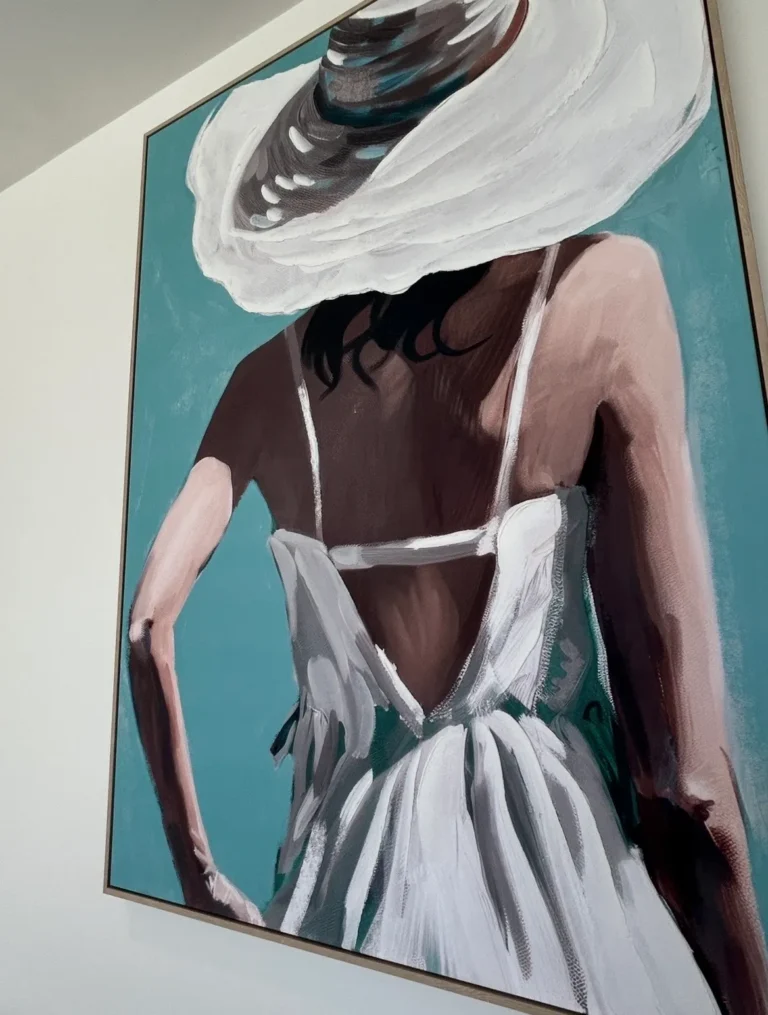
Artwork has a quiet way of transforming a space. The right piece can soften a room, add depth, or tell a story about who you are and where you have been. Yet many people find themselves asking the same questions: What art should I buy? Where do I find it? And once I have it, where does it actually go? While art should always reflect your personal style, there are a few simple considerations around size, scale and placement that help a piece feel naturally at home within a space. When those details are right, the room instantly feels more balanced and complete. Where to start Take a look around your home. Are there walls that feel sparse or lacking personality? If you are unsure, try taking photos of your rooms and viewing them as a two-dimensional image. Seeing the space from a different perspective often makes it easier to spot areas where artwork could add interest and elevate the overall look. Why add art? Art has the power to set the tone of a room. It can feel elegant, playful, cultured or calming, depending on the pieces you choose. Artwork might reflect your personality, celebrate your travels or simply introduce colour and texture. Even a single thoughtfully placed piece can transform the atmosphere of a space. Make it personal Some of the most meaningful displays come from your own memories. Travel photographs, favourite family moments or meaningful milestones can create a beautiful gallery wall while keeping special experiences front of mind. Framed movie posters from a local cinema or concert tickets from a memorable night out are also creative ways to showcase your interests and spark conversation when guests visit. Think outside the box Artwork does not always need to be a traditional canvas. Macramé wall hangings, vintage rugs or even textiles such as kimonos can look striking when displayed on a wall. These unexpected pieces add texture, warmth and a sense of individuality to a room. The power of framing Never underestimate the impact of a good frame. When displaying a collection of photos or prints, sticking to one or two frame styles helps create a cohesive look. Classic black or white frames often feel timeless and allow the artwork itself to remain the focus.

Create an outdoor area you’ll use all year round
Home

Create an outdoor area you’ll use all year round

By Kylie Harding  No matter where you live in Australia, we all love the idea of entertaining outside. Whether you have a balcony, courtyard or a full backyard, the key to creating a space you’ll enjoy year-round is thoughtful planning and a few smart design choices.  Decide how you’d like to use the space Do you have young children who want to ride their tricycles around? Do you love hosting family and friends, or are you a couple looking for a quiet place to unwind? Deciding how you’ll use your outdoor area will guide every decision—from flooring and furniture to whether you need a roof, heating or cooling, and what finishes and fittings will work best. This is also the time to plan for practicalities such as power points, lighting, and plumbing for water or gas.  Bring the inside out Your outdoor area should feel like an extension of your home. Mirroring your interior style outside creates flow and connection. If you have a soft, neutral palette indoors, stick with similar tones outdoors. If you love colour, let it continue outside too. Extending your flooring—such as tiles or timber—into the outdoor area creates a seamless transition. Glass doors that slide or fold open will also help blur the boundaries between indoors and out, creating a beautiful sense of space.  Give me shelter Having some form of roof or cover will ensure you can use your outdoor space all year round—rain, hail or shine. Options range from simple sail shades to adjustable louvred roofs, catering to every style and budget. Side blinds can also help protect from rain or harsh sun, creating a true outdoor room that’s comfortable in any season.  Accessorise Pot plants, cushions and candles add warmth and character. Choose heavy pots that won’t topple in the wind and opt for outdoor-friendly fabrics to prevent mould or fading. Practical additions like heaters, ceiling fans, speakers, TVs or even pizza ovens can turn your outdoor area into a space you’ll actually use.  Creating an outdoor space you can enjoy year-round is about more than furniture or plants—it’s about designing a setting that invites you to slow down, connect and enjoy every season. With a few thoughtful touches, your outdoor area can become the most loved “room” in your home.  Happy styling, Kylie @styledtosell

Colour Your World – How to use colour in your home
Home

Colour Your World – How to use colour in your home

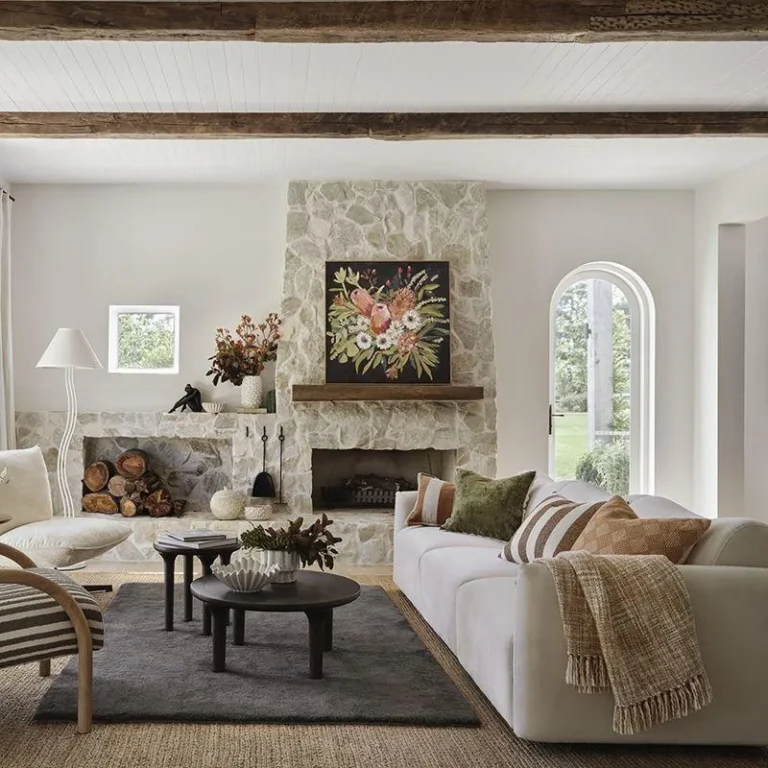
By Kylie Harding   Colour is an easy way to create instant impact, change a mood or inspire, from creating a soothing space to a vibrant vibe – colour is your tool of choice. Colours have a strong psychological impact and can affect how we feel. Restaurants know that red increases your appetite (McDonalds anyone?), while green creates a calm environment – think green grass and forests. Blues evoke serenity – hospitals often choose soft blue walls because they are soothing and peaceful, while yellow is cheerful and bright – like a kiss of sunshine. When choosing colour for your home, it’s important to consider what feel you want to create in each space. HOW TO INTRODUCE COLOUR IN YOUR HOME: Colour should be used as an accent so before you rush out to buy a huge tin of paint, take a step back and try this. FEATURE WALL: Rather than paint an entire room, try adding a new colour to one wall. WALLPAPER: Like paint, using wallpaper on one wall can have great impact. MANCHESTER AND SOFT FURNISHINGS: Introduce colour in a new doona cover for your bedroom or cushions for your sofa without breaking the budget. ACCESSORIES AND HOMEWARES: A red kettle, colourful abstract art and rugs are wonderful ways to lift a room. FURNITURE: If you’re renting this is a particularly good way to introduce depth and interest with colour – consider bright sofas or start off with an armchair in a vibrant colour. FIXTURES: If you’re confident, commit. Tiles add colour and texture to floors and walls, gold taps in a bathroom adds a lux feel, black handles on your white kitchen cupboards create a classic contrast. DOPAMINE DÉCOR: Colour, comfort and charisma – dopamine decor is bold and brave. This form of styling uses vibrant colours to energize a home creating a whimsical and quirky space. REFLECT THE SEASON: In summer, I like to use cool colours as accents in my bedding and cushions – blues and greens create a cool visual vibe while in winter terracotta and gold tones warm up my space. This also ensures you won’t grow tired of your look. The takeaway? Have confidence and don’t be afraid to use colour in your home but if you’re not sure, start small – accessories like vases and cushions are a great way to begin. Investing in the services of a stylist can save you money and time by assessing your needs and guide you in the right direction. IMPORTANT: Remember – too much is too much. If a room has a blue sofa, blue rug and blue feature wall it will blend in together and get lost. Some blue cushions on a wheat coloured sofa for example will create a contrast and have a stronger impact. Happy styling! @styledtosell Images courtesy of Pixabay