Home

The cosy luxury trends we’re embracing this Winter

The cosy luxury trends we’re embracing this Winter

For years, luxury interiors were all about perfection — immaculate styling, sharp minimalism and homes that looked beautiful but didn’t always feel lived in.

This winter, the focus is shifting toward comfort, warmth and creating spaces that invite us to slow down.

Think layered bedding, softer lighting, rich textures and rooms designed for living, not just looking good. The goal is no longer to create a showroom-perfect home, but one you genuinely want to curl up in during the colder months.

TIP: Cosy luxury doesn’t have to mean expensive. Often, the most inviting homes are layered with personality, comfort and pieces collected over time.

COLOUR

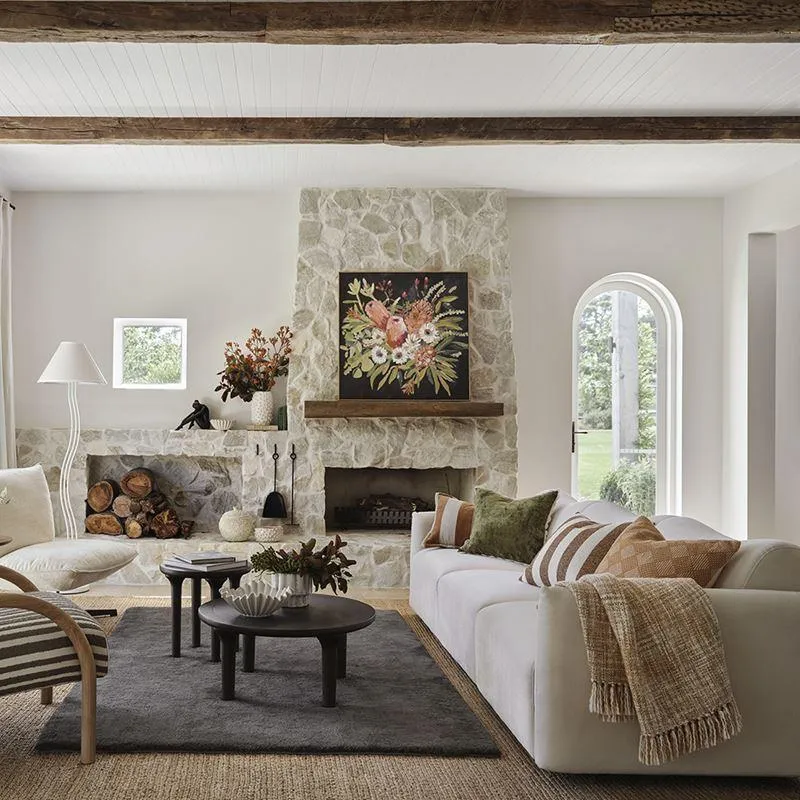
Burgundy, sage and cream might sound like ingredients from a winter menu, but they’re also some of this season’s most popular interior shades.

While paint can instantly transform a room, you don’t need to commit to a full makeover to embrace winter tones. Cushions, throws, vases and artwork in rich seasonal colours can add warmth and depth without the long-term commitment.

Warm metals, timber accents and natural finishes can also help create a cosy winter sanctuary.

Other moody winter shades include:

  • olive

  • clay

  • chocolate

  • smoky blue

  • deep green

  • terracotta

TIP: Stores such as Kmart offer affordable on-trend accessories in warm winter colours, making it easy to update a space without overspending.

TEXTURE

Luxury is just as much about how a home feels as how it looks.

Soft cashmere throws, velvet feather-filled cushions and layered bedding instantly create warmth and comfort during winter. Bouclé (pronounced boo-clay) continues to dominate interiors, adding softness and texture to living spaces.

This season is all about layering different fabrics and finishes to create a home that feels welcoming and lived in.

TIP: Texture is personal. Choose fabrics and finishes that feel genuinely comfortable and calming to you.

LIGHTING

A big part of cosy luxury comes down to ambience.

A lamp glowing in the corner, candles flickering on a coffee table or wall sconces casting soft shadows can completely change the mood of a room. Winter interiors are moving away from harsh overhead lighting and embracing softer, warmer light sources instead.

Think:

  • lamps instead of overhead lighting

  • candles

  • wall sconces

  • warm-toned globes

  • dimmer switches

The goal is less “display home” and more “boutique hotel lounge”.

TIP: Avoid heavily scented candles, which can quickly overpower a room or irritate sensitive noses.

MAKE IT PERSONAL

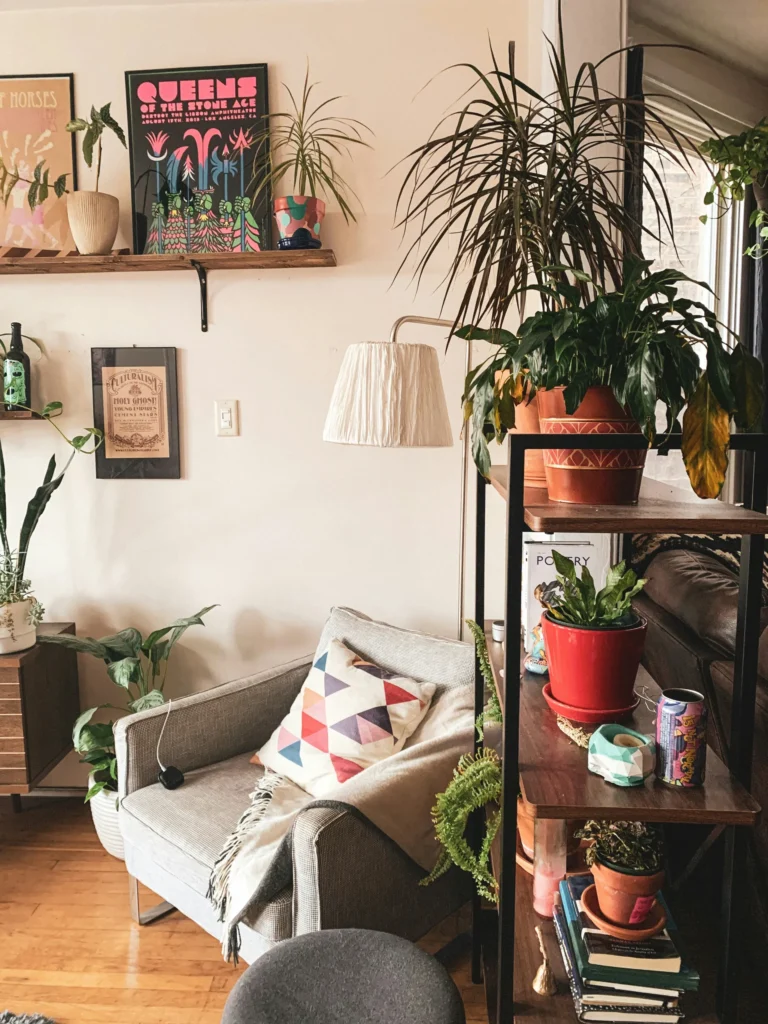
Winter is the perfect time to lean into the pieces that make a home feel personal and comforting.

Favourite books, vintage finds, framed photos, board games and meaningful artwork all help create a sense of warmth and familiarity. Rather than chasing copy-and-paste interiors, many people are embracing homes that feel collected and lived in.

Think:

  • collected pieces

  • vintage finds

  • meaningful art

  • books

  • family photos

TIP: Don’t overthink it. If you love it, display it.

OUTSIDE

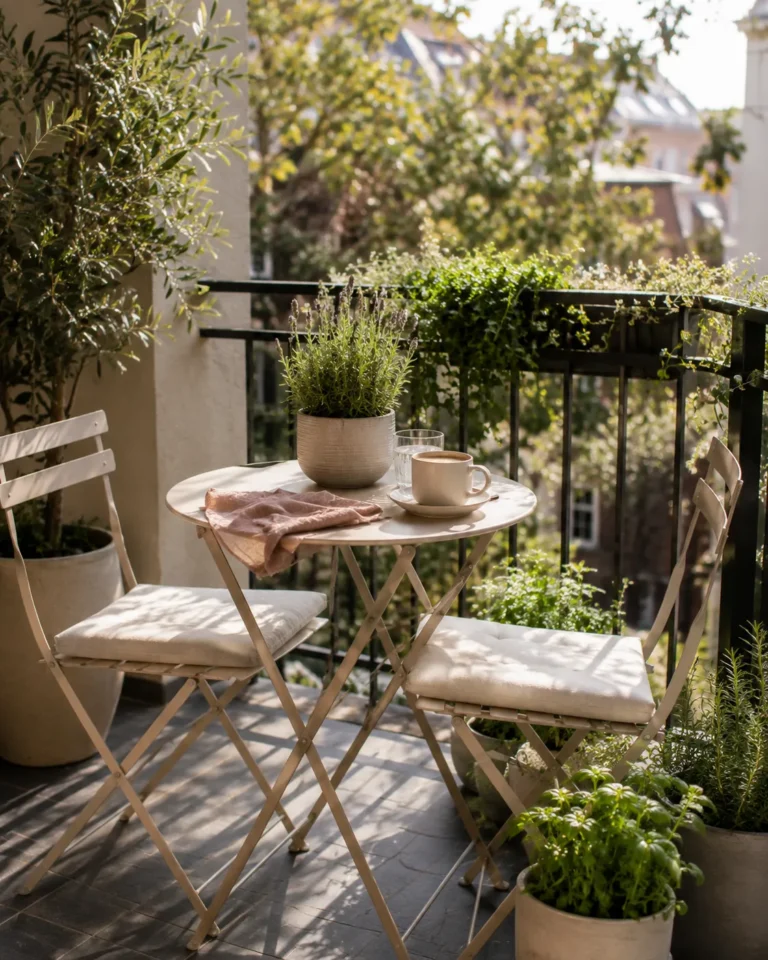
Cosy living doesn’t have to stop at the back door.

There’s something hard to beat about the atmosphere of an outdoor fire on a cold night. If space is limited, a compact fire pit can still create warmth and ambience without overwhelming a small outdoor area.

Outdoor lighting also goes a long way in making a space feel inviting during winter, whether it’s festoon lights, lanterns or soft garden lighting.

TIP: Hardware and homewares stores often stock affordable outdoor lighting options during winter, making it easy to create atmosphere on a budget.

THE WRAP

This winter, let trends inspire you, but focus on creating a home that feels warm, calming and comforting to you.

Because true luxury isn’t about how perfect a space looks — it’s about how it makes you feel.
More from

Home

Would you buy a house that works against you?
Home

Would you buy a house that works against you?

Buying a home is one of the biggest decisions most of us will ever make. We spend months scrolling through listings, attending inspections and comparing suburbs. We look at school catchments, transport links, renovation potential and property values. We calculate budgets, organise finance and imagine where the furniture might go. But there is one question many buyers never think to ask: How will this home actually feel to live in? It’s something Classical Feng Shui consultant Lisa Burman encourages people to consider before signing on the dotted line. “People often focus on the practical aspects of a property, which are absolutely important,” she says. “But a home is much more than a floorplan and a postcode. It’s the environment you’ll wake up in every day, raise your family in and build your life around.” While Feng Shui is often associated with lucky bamboo plants and carefully positioned furniture, Classical Feng Shui takes a different approach. It examines factors such as a home’s orientation, age and surrounding environment to better understand how the space may influence the people who live there. According to Lisa, every property has its own unique energetic blueprint. “Just as no two people are exactly alike, no two homes are either,” she explains. It’s a concept that resonates with many homeowners. Most of us have walked into a property and instantly felt comfortable. Others might tick every box on paper, yet something doesn’t feel quite right. That feeling, Lisa says, is often overlooked during the buying process. “We’re very good at analysing properties from a financial perspective, but we don’t always stop to consider how a home might support our wellbeing, relationships or lifestyle.” Of course, location, affordability and practical needs should always come first. But understanding how a property feels can add another layer to the decision-making process. The same principle can apply when it’s time to sell. While fresh paint, decluttering and good styling can certainly help attract buyers, Lisa believes creating a welcoming atmosphere is just as important. “People make emotional decisions about property,” she says. “Often within moments of walking through the front door they’ve already formed an impression of whether they can see themselves living there.” Simple changes such as improving natural light, creating a sense of flow and removing visual clutter can help buyers connect with a space more easily. At its heart, Feng Shui is based on a fairly universal idea: our environment influences how we feel. Most people would agree they feel different in a calm, light-filled home than they do in a dark, cluttered space. The places where we live can affect our mood, energy levels and overall sense of wellbeing. “When you’re buying a home, you’re not just buying a building,” Lisa says. “You’re choosing the environment that will shape your everyday life.” Whether you’re a firm believer in Feng Shui or simply curious about the concept, it offers an interesting reminder that a home is more than bricks and mortar. It’s the backdrop to your life, and that’s something worth considering before you pick up the keys. About the author Suzanne Butler Founder of Harmonising Energies, Classical Feng Shui Practitioner and Contributor Helping people create homes that support their health, relationships, career success and financial wellbeing. With a unique blend of environmental analysis, mindset work and practical strategy, Suzanne helps clients understand how their surroundings influence their everyday experiences and long-term outcomes. Facebook LinkedIn Instagram Website

Sentimental Clutter: How to Let Go of Items Without Losing the Memories
Home

Sentimental Clutter: How to Let Go of Items Without Losing the Memories

By Kylie Harding Styled to Sell  Perfection is overrated – it’s not just something I tell myself and my clients; it’s something I truly believe.  Most of us don’t want to live in a display home devoid of personality – our homes should reflect who we are and show off things we love. Living in clutter, however, has been shown to affect our mental and physical health, so how do we find balance? DECLUTTERED DOESN’T MEAN MINIMALIST. Decluttering is not the same as stripping everything back to essentials. It is removing unnecessary items from an untidy or overcrowded place, and only you can decide what is unnecessary. DON’T MISTAKE CLUTTERED FOR COSY. Hygge is the Scandinavian concept for cosy – time away from the rush, time to enjoy simple indulgent pleasures like candlelight and comfort food – it is more about slowing down and relaxing; cosy doesn’t involve surrounding yourself with ‘stuff.’ MY SELF-IMPOSED DECLUTTERING RULES. As a stylist and a sentimental person, I am tempted by beautiful things every day… So I have strict rules I follow – rules my family loves reminding me about (often). I also call in the experts sometimes. ONE THING IN, ONE THING OUT No matter what it is – whether it’s a new dress or a vase, if I bring it into the house, something must leave.  A PLACE FOR EVERYTHING AND EVERYTHING IN ITS PLACE. Scissors in the kitchen drawer, passports in the filing cabinet – life is less stressful when you know where things are and saves you money by not buying multiples of one thing – sticky tape anyone? If your rice cooker needs to live in the laundry, then it’s time to clear a space for it in the kitchen where it belongs. If your house doesn’t have good storage there are beautiful baskets for children’s toys, vacuum bags for excess clothes, and beds with base storage – make storage your friend. HORIZONTAL SURFACES ARE FOR DISPLAYING, NOT STORING. Have a lovely console in your entrance? Display a bunch of flowers and bowl for keys – not every book you own or everyone’s hats and shoes. The same goes for dining tables, bedside tables and chairs in bedrooms – they are not wardrobes.   WE ALL HAVE EXCUSES NOT TO ROLL UP OUR SLEEVES AND GET STARTED. “I HAVE NO TIME”. Set your timer and put on some music – start with 15 minutes and one area, like the dining table. I promise you the sight of a table set for a lovely meal with friends will put a smile on your face every time you walk past it. Make sure you take before and after photos too – it’s good to be reminded of your progress.    “I’M TERRIBLE AT MAKING DECISIONS”. You don’t always have to throw things out – sorting them and putting them into a box and then out of sight to make the final decision later is ok. 12 months later, if you haven’t missed anything it’s highly unlikely you want or need them. – move them on.  “MY WARDROBE IS A MESS, AND I DON’T KNOW WHERE TO START”. Fantastic Finds and Fabulous Things personal stylist Meaghan Smith suggests taking time to think about what clothes represent who you are now – pieces that work for you and your lifestyle. Once you’ve identified this, letting go of things is easy.  “I HAVE SO MANY SENTIMENTAL THINGS; I WANT TO KEEP THE MEMORIES ALIVE”. Mel McNamara from A Place to Call Home came across this situation so many times over the years in her role as a stylist – she created a company that takes professional photos and documents the stories of the people and the memories created in the home and compiles a beautiful coffee table book that honours the memories and can be passed onto future generations. GIVE BACK There are many local charities that will be grateful to receive your donations. Regularly decluttering my boys’ toy boxes was easier once I explained to them that there are many children in our society that would love to receive things they had duplicates of or had outgrown. In my role volunteering for a charity that sets up havens for women and children displaced by family violence I have seen first-hand how your donations change lives.   SURRENDER AND ACCEPT. For those of you who like to be surrounded by walls full of photos, get lost in a mountain of cushions on the sofa and have your entire library of books piled up around you – embrace it. It’s your space and it should feed your soul.  I’m off now to take a bag full of clothes to the local Salvos. Happy Styling!

Feng Shui for Calm Homes: Reduce Overstimulation & Stress
Home

Feng Shui for Calm Homes: Reduce Overstimulation & Stress

By Suzanne Butler from Harmonising Energies Feng Shui Styling for mental wellbeing through feng shui In a world of constant notifications, emotional demands and pressure to always be “on”, many of us are living in a near-permanent state of nervous system overload. While therapy, mindfulness and healthy boundaries all play an important role, there is another influence quietly shaping how we feel each day – our home environment. From a feng shui perspective, your home is more than just a place to live. It is an energetic extension of you. When a space feels chaotic or misaligned, even the best self-care routines can struggle to take hold. A calm home does not just look peaceful, it helps regulate how you feel. Feng shui and the nervous system Long before modern neuroscience explored the connection between environment and mental wellbeing, feng shui recognised the powerful relationship between space and emotion. When a home feels out of balance, people often notice subtle shifts in how they experience daily life — difficulty switching off at night, restless sleep, irritability or a lingering sense of unease. These responses are not always personal shortcomings; sometimes they are simply signals that the environment is not supporting the nervous system as well as it could. Calm is flow, not minimalism One of the biggest misconceptions about calm interiors is that they need to feel stark or minimalist. From a feng shui lens, an overly empty space can feel just as unsettling as one that is cluttered. True calm comes from balance rather than absence. A feng shui-aligned home focuses on gentle flow and comfort. Furniture placement should allow easy movement through a room, helping energy circulate naturally. Key pieces such as beds and desks are ideally positioned so you can see the doorway without being directly in line with it, creating a sense of ease and awareness. Balance between yin and yang is also important. Too much brightness or activity can feel agitating, while heavy, dark spaces may feel stagnant. Rugs, artwork and thoughtfully grouped furniture can help create a sense of containment, allowing the body to relax and feel held within the space. Colour, light and sensory load Colour plays a powerful role in how a room feels. Highly saturated tones or excessive contrast can feel overstimulating, particularly in bedrooms, living areas and workspaces. That does not mean avoiding colour altogether, it simply means using it with intention and balance. Similarly, lighting has a profound impact on mood. Harsh overhead lighting can keep the body in a state of alertness, while layered lighting allows your home to support different rhythms throughout the day. Bright light can encourage focus and energy, while softer, warmer tones help signal rest. When clutter becomes emotional noise Clutter is not just a visual issue. In feng shui, unused or broken items, emotionally charged objects or belongings tied to past versions of ourselves can create energetic noise. Even when we stop consciously noticing them, our nervous system continues to register their presence. A calm home does not need to be spotless or minimal. Instead, it feels clear, intentional and supportive of who you are today. A home that supports, not performs It is easy to create a space that looks beautiful on the surface yet feels oddly uncomfortable to live in. True wellbeing comes when a home supports both rest and productivity, reflects your current life and allows you to soften rather than brace. Calm is not about buying more or chasing perfection. Often, it begins with small shifts like moving furniture, adjusting lighting or letting go of what no longer serves you. When a home feels aligned, it becomes more than a showpiece. It becomes a quiet source of support in an overstimulated world.

FOR ART’S SAKE
Home

FOR ART’S SAKE

Artwork has a quiet way of transforming a space. The right piece can soften a room, add depth, or tell a story about who you are and where you have been. Yet many people find themselves asking the same questions: What art should I buy? Where do I find it? And once I have it, where does it actually go? While art should always reflect your personal style, there are a few simple considerations around size, scale and placement that help a piece feel naturally at home within a space. When those details are right, the room instantly feels more balanced and complete. Where to start Take a look around your home. Are there walls that feel sparse or lacking personality? If you are unsure, try taking photos of your rooms and viewing them as a two-dimensional image. Seeing the space from a different perspective often makes it easier to spot areas where artwork could add interest and elevate the overall look. Why add art? Art has the power to set the tone of a room. It can feel elegant, playful, cultured or calming, depending on the pieces you choose. Artwork might reflect your personality, celebrate your travels or simply introduce colour and texture. Even a single thoughtfully placed piece can transform the atmosphere of a space. Make it personal Some of the most meaningful displays come from your own memories. Travel photographs, favourite family moments or meaningful milestones can create a beautiful gallery wall while keeping special experiences front of mind. Framed movie posters from a local cinema or concert tickets from a memorable night out are also creative ways to showcase your interests and spark conversation when guests visit. Think outside the box Artwork does not always need to be a traditional canvas. Macramé wall hangings, vintage rugs or even textiles such as kimonos can look striking when displayed on a wall. These unexpected pieces add texture, warmth and a sense of individuality to a room. The power of framing Never underestimate the impact of a good frame. When displaying a collection of photos or prints, sticking to one or two frame styles helps create a cohesive look. Classic black or white frames often feel timeless and allow the artwork itself to remain the focus. About the author Kylie Harding Founder of Styled to Sell, Stylist and Contributor Kylie Harding is the founder of Styled to Sell, a property styling business she has run for more than 25 years. Instagram Website