Category

Health and Wellness

Navigating the Change: How Menopause Impacts Women Over 40
Health and Wellness

Navigating the Change: How Menopause Impacts Women Over 40

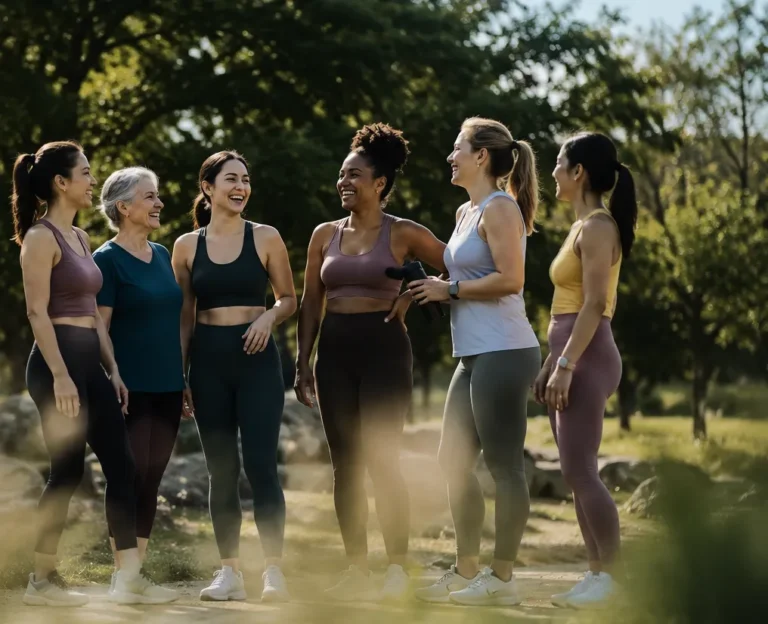
By Bree Graham  For many women, turning 40 is a milestone, often filled with confidence, self-assurance, and a deeper sense of self. But it’s also the age when whispers of “the change” start becoming reality. Menopause, the natural end of a woman’s reproductive years, typically occurs between 45 and 55, but symptoms can begin years earlier during a phase known as perimenopause. While menopause is a biological certainty, its impact on health, wellness, fitness, and overall quality of life can be significant—and varies widely from woman to woman, but rest assured – We all feel it!    Hormones in Transition  The most typical quality of menopause is the gradual decline in oestrogen and progesterone, the two main ‘female’ hormones that regulate not just the menstrual cycle but a range of other functions. This hormonal shift can lead to hot flashes, night sweats, and sleep disturbances among others—all of which affect daily life and energy levels. But the changes run deeper.    Health & Wellness Concerns  Menopause brings increased risks for certain health issues. Bone density begins to decline, raising the risk of Osteoporosis, Cholesterol levels may rise, potentially impacting heart health and weight gain, especially around the abdomen, is common—even for women who haven’t changed their eating or exercise habits. These shifts can feel frustrating, but awareness is empowering. Regular screenings, a balanced diet rich in calcium and vitamin D, and support from Trainers and Medical Professionals can help manage these changes proactively.    Fitness: Adapting for Strength and Wellbeing  Many women over 40 notice a decline in muscle mass and metabolism. Workouts that once maintained their weight and strength may no longer be as effective due to the decline in hormones. This is the time to reassess your fitness routine. Strength training becomes essential—not just to maintain muscle but to support bone health. low-impact cardio and mobility-based workouts can also help manage weight, improve flexibility, and reduce stress.    Mood Matters  Mood swings, anxiety, and even depression can surface or intensify during menopause, sometimes catching women off guard. This emotional turbulence is often tied to fluctuating hormone levels, compounded by sleep disruptions and the life changes common at this age—career shifts, aging parents, or children leaving home etc. Talking openly about Mental Health, seeking support from professionals, and building a network of understanding friends can make a significant difference.      Redefining Quality of Life  Despite the challenges, menopause can also be a liberating time. Many women describe it as a turning point—a time to focus on themselves, their goals, and their well-being. With the right information, support, and self-care, menopause can be reframed not as an ending, but as a powerful new beginning. At Vision Personal Training, we see Menopause as exactly that and we are here to help you navigate the challenges and feel empowered throughout the journey! After all, ageing is inevitable—but how you navigate it is entirely your own choice       Feel StrongHER: The Fitness Program Every Woman Over 40 Needs Right Now  If you’re over 40 and feeling like your body is suddenly operating on a whole new setting, you’re not alone. We know this new chapter can feel like a minefield. But what if there was a way to feel strong, supported, and in control again?    Introducing strongHER—a brand-new program launched by Vision Personal Training specifically for women navigating perimenopause and menopause!  It’s not just another cookie-cutter workout plan with false promises. It’s a smart, science-backed approach to wellness that meets you where you are and helps you move forward with confidence.  This phase of life demands more than quick-fix solutions or one size fits all fitness classes. Hormonal changes affect everything—from how your body stores fat to how it builds muscle and even how you recover. strongHER is built with those exact needs in mind.    Strength-based training forms the foundation of our program, helping you protect lean muscle mass and support bone density—two key health concerns during menopause. This isn’t about lifting heavy for the sake of it; it’s about building lasting strength for life while also reducing the risk of health concerns such as Osteoporosis and High Cholesterol.    Tailored nutrition support ensures your eating habits are aligned with your body’s hormonal shifts and energy needs. You’ll learn how to fuel yourself to feel better, think clearer, and maintain a healthy weight, while still enjoying the menu.    Cardio that works with your body, not against it. Say goodbye to overtraining and burnout. Our approach helps you maintain fitness without draining your already taxed system and it’s built specifically for your body!    1:1 coaching with trainers who get it. Our team is specifically trained in menopause support, so you’re never alone or misunderstood. Whether you’re brand new to fitness or already active, you’ll have someone guiding you every step of the way.   So, if you’re feeling the shift—or just starting to—know that there is support with us here at Vision Personal Training. strongHER isn’t about fighting your changing body, it’s about working with it to become stronger, clearer, and more confident than ever. Menopause may change your body, but it doesn’t have to steal your strength or diminish your confidence! It’s time to train smarter, not harder. It’s time to feel strongHER.

The Joys of Summer: Warming Your Mind, Body & Wellbeing
Health and Wellness

The Joys of Summer: Warming Your Mind, Body & Wellbeing

There’s something about summer that shifts our internal rhythm. The days stretch a little longer, the evenings linger with soft golden light, and life feels just a touch lighter. As the warmer weather settles in, we’re given a natural invitation to move, breathe, and reconnect with ourselves, with others, and with the world around us.    Summer is one of the most powerful seasonal resets we get. Warmth itself is regulating; it relaxes tense muscles, softens our nervous system, and encourages us to step outside of our routines. With sunlight comes serotonin, that gentle lift in mood that reminds us we are allowed to feel good. And with longer days comes opportunity.    So how can we make the most of it, authentically, simply, and in ways that truly support our mental wellbeing?    Start with small outdoor rituals. Morning walks, barefoot moments on the grass, or sipping your first coffee outside. These tiny acts of presence anchor your nervous system and set the tone for the day.    Lean into water. Oceans, rivers, pools, or even a cold afternoon shower. Water recalibrates us. It washes away mental noise and helps us drop back into our bodies.    Movement becomes joy again in summer. Try sunrise swims, evening bike rides, shaded hikes, paddleboarding, or community outdoor yoga. You’re not exercising for performance, you’re moving because it feels good.    Create connection moments. Warm weather invites spontaneity: twilight picnics, family BBQs, long conversations on balconies, weekend markets. Social connection is one of the strongest predictors of resilience and emotional health.    And finally, let your schedule breathe. Slow down where you can. Choose rest when your body asks for it.  Summer isn’t just a season, it’s a reminder that lightness is allowed. Embrace it. Let it soften you. Let it fill your cup again.

The Energy Epidemic
Health and Wellness

The Energy Epidemic

Feeling tired, flat or foggy? It might not be “just life”,  and you’re not alone.  A growing number of health experts are warning of a silent “energy epidemic” affecting Australians nationwide, and the causes may be hiding in your blood. Iron and vitamin D deficiencies are quietly draining the vitality of millions, with women among the most at risk.  As we shake off winter and settle into warmer days, many people are discovering that their low energy, mood swings and constant fatigue aren’t simply part of a busy lifestyle. In many cases, they’re signs of low iron or low vitamin D.  The sunshine vitamin dip Vitamin D is essential for strong bones, a resilient immune system and healthy energy levels. But because it’s made through sunlight exposure, winter naturally sends levels dipping, and for many Australians, they stay low well into summer. Sunscreen use, indoor work and lifestyle habits all contribute.  More than one in five Australian adults are now vitamin D deficient, and nearly two million Australians are low in iron. Women and teenage girls are particularly vulnerable, with up to 40% of girls aged 14–18 not meeting their daily iron needs.  Symptoms like tiredness, brain fog, breathlessness, low mood and frequent illness can all signal a deficiency. But because these signs are so easy to blame on stress or exhaustion, the underlying cause often goes unnoticed until daily life is heavily affected.  That’s where at-home testing comes in handy. You can test your levels at home with a Ferritin Rapid Test and Vitamin D Rapid Test – designed for convenient use in the privacy of the home, available from local pharmacies, without needing a GP appointment.  A mum’s wake-up call For Stephanie Saunders, a nurse and mum-of-six, the signs blended into the noise of everyday life.  “As a nurse and a mum, I’m used to being tired,” she says. “But after months of feeling constantly run down and foggy, I realised something wasn’t right. Testing my iron and vitamin D levels showed both were low, and once I addressed it, the difference in my energy and mood was incredible.”  Now, Stephanie encourages other busy parents to check their levels, even if they think tiredness is “normal”. “These simple self-tests make it so much easier to stay on top of your health without adding more to your already full schedule,” she says.  Taking charge of your energy With GP access becoming harder and out-of-pocket costs rising, at-home testing has become a convenient and proactive way to monitor your health. Identifying deficiencies early means fewer surprises, and more energy to enjoy the months ahead.  So, if you’ve been feeling unusually tired, flat or foggy, it may be time to look beyond stress, sleep and lifestyle. A simple nutrient check could be the missing piece, and your body might be asking for a little extra support.

Why having a long and healthy life starts in your gut
Health and Wellness

Why having a long and healthy life starts in your gut

By Azra Alagic     They say a long and healthy life starts from within, and science agrees. In fact, around 70% of the immune system lives in your gut, making gut health one of the most powerful drivers of overall wellbeing. A healthy gut doesn’t just aid digestion; it plays a key role in immunity, metabolism, hormone regulation, and even how we age. Your gut communicates directly with your brain, influencing mood, cognition, and stress resilience. When your gut microbiome is diverse and balanced, it helps you absorb nutrients more effectively, fuels energy production, and builds resilience against disease. But when things go wrong, a state known as dysbiosis, it can contribute to obesity, diabetes, autoimmune conditions, cardiovascular disease, and even dementia.  What is biohacking?  Biohacking is about understanding how your body works and making small, deliberate changes to help it work better. It’s the practice of experimenting with your lifestyle, diet and environment to improve energy, focus, sleep, mood and overall health. In simple terms, biohacking means using science, self-awareness and everyday habits to help your body and mind perform at their best.  Why a long and healthy life starts in your gut They say good health starts from within, and science agrees. Around 70 per cent of your immune system lives in your gut, making gut health one of the most important factors in long-term wellbeing. A healthy gut doesn’t just support digestion; it affects your immunity, metabolism, hormones and even how you age. Your gut and brain are constantly communicating, which means gut health can influence your mood, focus and stress levels. When your gut microbiome — the community of bacteria living in your digestive system — is balanced and diverse, it helps your body absorb nutrients, produce energy and protect against disease. But when things get out of balance (a condition known as dysbiosis), it can contribute to obesity, diabetes, autoimmune conditions, heart disease and even dementia.  After nine years as a biohacker, I’ve learned that improving gut health isn’t complicated. The problem is that there’s a lot of misinformation out there, especially in the biohacking world, where people think you need expensive gadgets or supplements to succeed. You don’t. Through my one-on-one coaching at BiohackHer, I help people focus on what really works. Simple, science-backed habits that improve your health from the inside out.  My top simple biohacks for your gut Move your body regularly. Exercise improves the diversity of healthy gut bacteria and reduces inflammation. Get restorative sleep. Aim for seven to eight hours each night. Your gut microbes follow a natural rhythm, so when your sleep is disrupted, they are too. Eat for your gut. Include at least 25g of fibre daily, plus prebiotics like garlic, onions and bananas; probiotics from fermented foods such as kefir, miso and kimchi; and polyphenols from foods like berries, olive oil and green tea. Avoid processed foods and refined sugar as these feed bad bacteria and promote inflammation. Limit alcohol, as it irritates and inflames the gut lining. Reduce stress, as high cortisol levels upset gut balance and trigger inflammation.  Pro tips To take your gut health a step further, start the day with a shot of organic apple cider vinegar diluted in water to activate your digestive system. You can also try adding glutamine, an amino acid that supports gut lining health, reduces inflammation and strengthens your immune system.  Biohacking doesn’t need to be extreme or expensive. It’s simply about tuning into your body and making small, consistent changes that reduce inflammation and support your gut. When your gut is healthy, everything else starts to fall into place. To learn more, visit www.biohack-her.com.  About Azra Azra Alagic is a passionate biohacker, Integrative Nutrition Health Coach and Behaviour Change Specialist. After overcoming her own health challenges, including gut dysbiosis, chronic fatigue and mercury toxicity, she began biohacking to rebuild her health, and now helps others do the same.

The Morning After Rituals Everyone Should Live By
Health and Wellness

The Morning After Rituals Everyone Should Live By

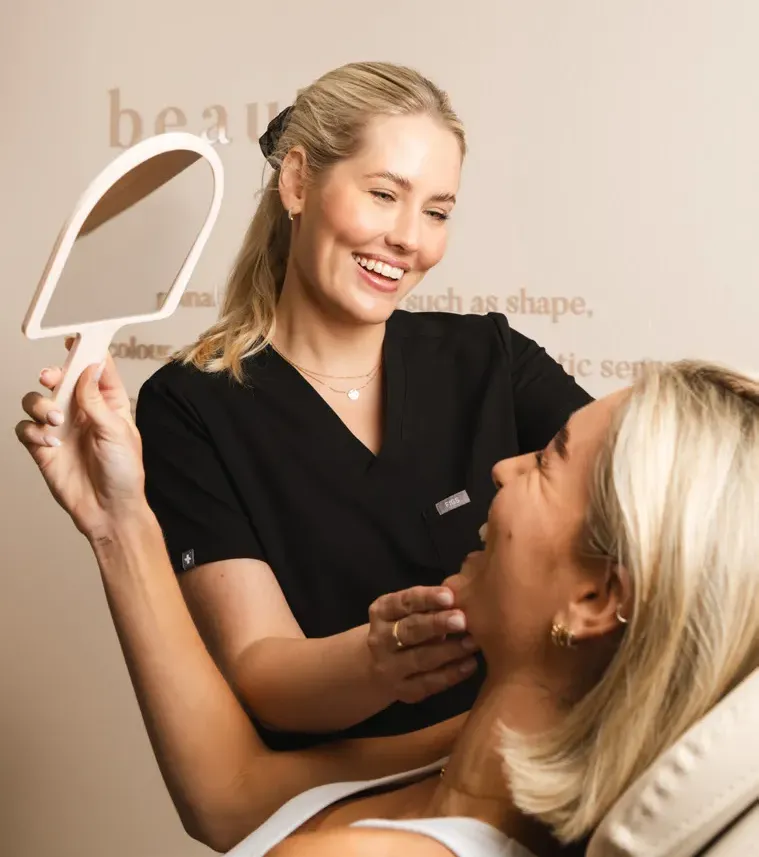
Whether you have been celebrating with friends or simply enjoyed one too many wines at dinner, the morning after often shows up on your skin before it hits anywhere else. But with the right rituals, you can bounce back looking fresh, glowing and ready to take on the day. Registered Nurse Samara Searle shares her go-to post-party skincare and wellness routine for restoring your glow from the inside out.  “Your skin is always the first to show signs of a big night,” Samara says. “Dehydration, puffiness and dullness can all set in quickly. The good news is that with a few easy steps, you can reset your skin and body and get back to looking your best.”  Preparation is key Samara believes the best morning-after glow actually begins before the night out. “Preparation plays a massive role in prevention,” she explains. “In the weeks leading up to big events or party season, investing in treatments like chemical peels or skin needling can make a huge difference. These treatments help boost collagen, refine texture and support your skin’s ability to bounce back quickly. When your skin is healthy and prepped, it recovers faster and holds on to that post-treatment glow, even after a long night.” Rehydrate, inside and out The first step, Samara says, is always hydration. “Alcohol and salty foods are major culprits for water loss. Start your morning with a big glass of water and add electrolytes if you can. This helps rehydrate your cells and flush out toxins.” For your skin, she recommends applying a hyaluronic acid serum followed by a nourishing moisturiser. “This combination plumps the skin and brings back that dewy finish.”  Red light therapy If you wake up puffy, Samara swears by red light therapy. “You can use a red light therapy mask at home the morning after a late night, or if you really want to treat yourself, nothing beats a Healite II session at your clinic. It helps reduce inflammation, and it feels incredible after a big night out.” Cleanse gently and reset your barrier “It is tempting to skip cleansing when you are tired, but your skin needs it most after makeup and late nights,” she says. Samara suggests using a gentle cleanser followed by a barrier repair serum or cream. “The aim is to restore balance, not strip your skin further.” Support your body with essential fatty acids Finally, Samara encourages giving your body the support it needs to recover. “Opt for essential fatty acids before and after a night out, such as omega oils. These can help reduce inflammation, support liver function and improve sleep quality after drinking. All these small habits help your body feel rested faster.” Whether you are battling a skin hangover or an energy slump, Samara’s rituals are simple, effective and designed to help your body bounce back. “It is all about balance,” she says. “Enjoy the night, but make sure your morning after is full of self-care.”   By Samara Searle, Nurse

The power of affirmations: How simple words can rebuild your self-esteem
Health and Wellness

The power of affirmations: How simple words can rebuild your self-esteem

Feeling good about yourself sounds simple, but often it’s the hardest thing to do. From the moment you look in the mirror, you might notice everything you wish were different instead of what makes you uniquely you. That first thought can set the tone for your day—your confidence fades, your mindset turns negative, and your inner spark starts to dim.  Before you’ve even stepped outside, your day can feel like an uphill battle. I’ve been there—ignoring my true self, overlooking my kind heart, my bright smile and the quiet strength that’s always been there.  As a young girl, I faced many challenges, but the biggest was bullying. It shaped my school years and chipped away at my confidence and ability to stand up for myself. Sadly, that lack of confidence followed me into adulthood, showing up in relationships and self-doubt that held me back for years. When your voice feels silenced, even small struggles can feel enormous, and it’s easy to lose sight of where to turn.  Then, in 2020—when the world stood still—I discovered affirmations. Words began to form in my mind, turning into short, powerful phrases that reminded me of who I was. Writing became my outlet and my healing. As I wrote more, I started to change. Affirmations helped me believe in myself again. They reminded me that I matter, that I’m capable, and that anything is possible.  That’s what I love most about affirmations: their quiet power to change how you feel about yourself, day by day. They carried me through my darkest moments, helping me rediscover the person I’d lost and giving me the courage to chase what once felt impossible.  In late 2022, one of those “impossible” dreams came true—I published my first book of affirmations, Reflection in the Mirror – You Are Enough. It’s a collection of messages about self-worth, confidence, belief, and having a voice. Since then, it’s reached readers across schools and communities, helping students stand tall against bullying, social media pressure and self-doubt. The book has given people hope, strength, and belief that they matter—that their voice deserves to be heard.  This is the power of affirmations: to restore hope, build strength, and remind us that anything is possible when we believe in ourselves.  A few affirmations to keep close I can do anything. I control my own life. I believe in myself. This is my life.  “Always believe in yourself—your kindness, your true inner self. It will guide you day by day.”  “Embrace growth and positivity. Remember who you are. You’ve got this. Believe, and you will go far.”  “Believe in yourself and who you are. It’s your life to live—you have so much to give.”    By Kristen MacDonald Kristen MacDonald is a writer, author and card designer dedicated to inspiring confidence, kindness and self-belief through her work.

How to Sort Out Your Hormone Health in 2026
Health and Wellness

How to Sort Out Your Hormone Health in 2026

By Steph Lowe The Natural Nutritionist & Cell Squared’s Nutrition Expert   How to rebalance your hormones and feel like yourself again  Hormones act as the body’s internal communication system, influencing almost everything: energy, sleep, mood, metabolism, skin, digestion and reproductive health. But in a fast-paced, high-stress world, that delicate balance can easily be disrupted. The good news is that with a few smart nutritional and lifestyle shifts, you can help bring your hormones back into alignment and feel more grounded, energised and in control.  Start with blood sugar balance Stable blood sugar is the foundation of healthy hormones. When glucose levels spike and crash, cortisol rises in response. Over time, this can interfere with sex hormone production, disrupt your thyroid and leave you feeling exhausted or irritable. Focus on real, unprocessed foods and build each meal around quality protein, healthy fats and slow-burning carbohydrates. Simple swaps like replacing toast with eggs and avocado or adding protein to your smoothie can make a noticeable difference in energy, mood and cycle regularity.  Prioritise protein and healthy fats Your body needs raw materials to produce hormones. Protein provides essential amino acids for repair and resilience, while healthy fats from egg yolks, oily fish, avocado, activated nuts and olive oil supply the cholesterol and fatty acids needed for hormone synthesis. If your energy is low or PMS feels overwhelming, try adding more protein and healthy fats to your day instead of cutting calories. Nourishment is far more effective than restriction.  Support your liver and gut Your liver and gut work together to clear excess hormones and metabolic waste. When they are sluggish, old oestrogen can recirculate, which can lead to bloating, mood swings and painful cycles. Support these pathways by eating cruciferous vegetables such as broccoli, kale and cauliflower, staying hydrated and keeping your fibre intake high. Fermented foods or a quality probiotic can also help rebalance the gut microbiome and improve hormone clearance.  Manage stress like it is a nutrient Chronic stress is one of the biggest disruptors of hormonal health. High cortisol levels divert resources away from sex hormone production and can affect everything from libido to fertility. You do not need to eliminate stress; you simply need to manage it intentionally. Build small, non-negotiable recovery habits into your week, such as a daily walk, journalling, yoga, meditation or five minutes of deep breathing before bed. Consistency matters more than duration.  Supplement strategically Food should always come first, but targeted supplements can offer extra support. Magnesium, zinc, B vitamins and omega 3s are some of the most beneficial for hormonal balance and nervous system regulation. Speak to a qualified practitioner if you are unsure where to begin. For a natural boost, consider nutrient-dense wholefood options such as Cell Squared’s Grass-Fed Beef Spleen & Liver Capsules, rich in B12, heme iron and vitamin A to support energy, metabolism and hormonal health. Your hormones are not broken; they are responsive. When you nourish yourself well, sleep deeply and manage stress with intention, your body has everything it needs to recalibrate. Make 2026 the year you listen to your body’s signals, support them with care and step into genuine hormonal harmony.  For more science-backed nutrition insights and product tips, visit Cell Squared and explore Steph Lowe’s expert guidance for living in balance.

Be Keen to Screen: Why Booking Your Breast Screen Should Be Top of Your To-Do List
Health and Wellness

Be Keen to Screen: Why Booking Your Breast Screen Should Be Top of Your To-Do List

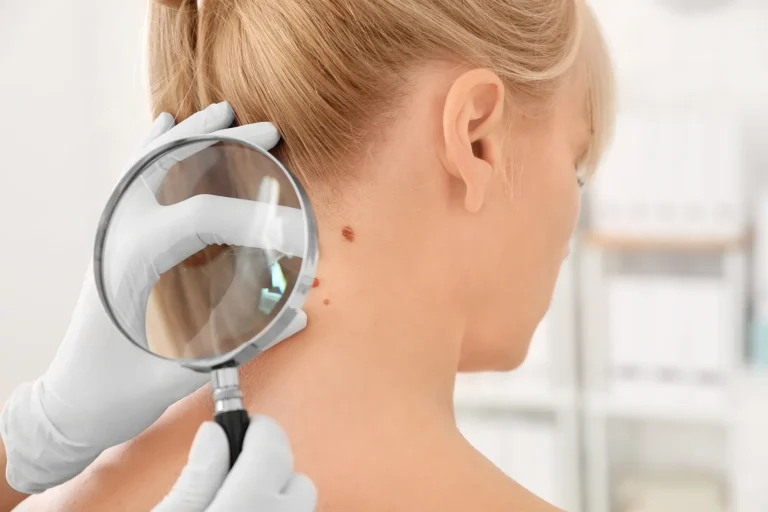
When life gets busy, it’s easy to let important health checks slip down the to-do list. Between work, family, and everyday demands, that simple reminder to book a breast screen can often fall by the wayside. But here’s a friendly nudge — don’t wait. Be keen to screen, because this small act of self-care could make a big difference. Peace of MindFor most women, breast screening brings reassurance. In fact, 95% of breast screens have a normal result — meaning no breast cancer is found. Many women say that knowing they’ve had a clear result gives them invaluable peace of mind, allowing them to get on with life without the nagging “what if?” in the back of their minds. Early Detection Means More OptionsThe goal of breast screening is simple: to find cancers when they’re very small — often too small to be seen or felt. When breast cancer is found early, it’s usually easier to treat and there are often more treatment options available. Early detection not only saves lives but can also lead to a better quality of life after diagnosis. Saving Lives, One Screen at a TimeSince the introduction of the BreastScreen Australia program, deaths from breast cancer have reduced significantly. Regular screening every two years for women aged 50 to 74 is recommended, but free breast screens are also available for women aged 40 and over who haven’t noticed any breast changes. Convenient and QuickAppointments are simple to book and available at convenient locations across the Gold Coast — including permanent clinics at Burleigh Waters, Helensvale, Robina and Southport — plus a visiting mobile service. Some clinics even offer early morning and Saturday sessions to fit around your schedule. So, grab your phone and tick it off your list — call 13 20 50 or book online today. Because peace of mind, early detection and better outcomes are all reasons to make “book a breast screen” a priority this week. Be smart. Be proactive. Be keen to screen.

Bullet Proofing Your Body
Health and Wellness

Bullet Proofing Your Body

What Prehab and Rehab Really Mean — and Why They Matter Ever noticed how some people bounce back from surgery as if nothing happened, while others struggle to regain their strength? It is rarely just luck. Preparation and consistency are usually the secret. The way you train before and after surgery can make all the difference — not just to your recovery, but to your long-term mobility and independence. That is where prehabilitation (prehab) and rehabilitation (rehab) come in. The Stats You Can’t Ignore 70% of Australians aged 65 and over have at least one chronic condition (ABS, 2022) Falls are the leading cause of injury-related hospitalisations and deaths in older Australians (AIHW, 2023) Only 15% of Australian adults meet the recommended strength-based activity guidelines (AIHW, 2020) Strength and balance training can reduce falls by up to 30% (WHO, 2021) The good news? Many of these risks can be reduced with the right movement habits. What Is Prehab? Think of prehab as preparation for a big event. It is about strengthening your muscles, joints and nervous system before surgery or a period of high physical demand. Going in stronger means you are better equipped to cope with the stress of surgery and recover faster. What Is Rehab? Rehab is the recovery phase — restoring movement, strength and function after surgery or injury. Skipping it might not stop you from getting back on your feet, but it can slow your progress, increase your risk of re-injury and limit your long-term mobility. In short: prehab helps you go in stronger, rehab helps you come out better. The Three Pillars of a Strong Recovery Strength training – Builds lean muscle, supports joints and maintains bone density, which is especially important for women post-menopause when the risk of osteoporosis increases. Flexibility and mobility work – Improves joint range of motion, boosts circulation and helps reduce pain, speeding up healing. Balance and coordination training – Improves stability, helps prevent falls and keeps your nervous system sharp for better movement control. Why It Matters An effective approach to prehab and rehab can: Speed up recovery and reduce complications Lower pain levels and improve energy Reduce the risk of falls and re-injury Help you stay active, independent and confident Strong Today, Strong Tomorrow Whether you are preparing for surgery, recovering from an injury, or simply want to future-proof your mobility, investing in your strength, flexibility and balance now will pay off for years to come. Your body is your lifelong home — and the more you take care of it today, the better it will serve you tomorrow.

Strength After 40: Why Lifting Heavy Is Essential, Not Optional
Health and Wellness

Strength After 40: Why Lifting Heavy Is Essential, Not Optional

The gym floor can feel intimidating when you’re in your forties. Surrounded by twenty-somethings throwing around heavy weights, it’s easy to think your best lifting days are behind you. But here’s the reality check: strength training after 40 isn’t just beneficial—it’s essential for both men and women. After age 30, we lose approximately 3-8% of our muscle mass each decade. By 40, hormonal changes begin accelerating—testosterone declines in men while women face fluctuating estrogen and progesterone levels, especially during perimenopause. Bone density starts decreasing, metabolism slows, and maintaining muscle becomes increasingly challenging. But lifting heavy weights after 40 can actually reverse many of these age-related changes. According to research, progressive overload stimulates muscle growth at any age. Both men and women in their 60s and 70s can gain muscle mass comparable to people in their 20s when following proper strength training protocols. Heavy lifting triggers hormone optimization through compound movements like deadlifts and squats, strengthens bones by increasing mineral density, and boosts metabolism since muscle tissue burns significantly more calories than fat tissue at rest. The problem is that many people over 40 make critical mistakes that sabotage their progress. The biggest culprit is inadequate protein intake. Your body needs 1.6–2.2 grams of protein per kilogram of bodyweight daily to repair and build muscle tissue. Women, particularly those in perimenopause or menopause, often under-eat protein while men may focus too heavily on supplements rather than whole food sources. Without sufficient raw materials, even the best training program will fail to deliver results. Another common error is lifting too light out of fear of injury. While safety matters, your muscles need sufficient stimulus to grow, especially with declining hormone levels. This is particularly true for women who may have been conditioned to avoid “heavy” weights. Focus on weights that challenge you in the 6–12 rep range, emphasizing compound movements that work multiple muscle groups simultaneously. Progressive overload—gradually increasing weight, reps, or sets over time—remains the fundamental principle of muscle growth regardless of age or gender. Recovery becomes your secret weapon after 40. Unlike your twenties when you could lift heavy on minimal sleep, mature adults need 7-9 hours of quality sleep nightly and 48-72 hours between training the same muscle groups. Women may need to adjust training around hormonal fluctuations, while men often underestimate the impact of work stress on recovery. Poor recovery leads to fatigue, subpar workouts, and minimal gains. Incorporate rest days and light activities like walking or mobility work to optimize recovery. Many people also try to build muscle while simultaneously losing fat, which rarely works effectively after 40. This is especially common among women who may focus primarily on weight loss rather than strength building. Pick one goal at a time—spend 8-12 weeks focused on muscle building with adequate nutrition, then shift to fat loss if needed. Your body responds better to focused efforts than trying to achieve competing objectives. Perhaps the biggest barrier isn’t physical—it’s mental. Many people internalize the myth that they should “slow down” with age, with women often believing they’ll become “bulky” from lifting heavy weights. These mindsets are not just limiting; they’re harmful. Regular strength training improves mental health, cognitive function, and self-esteem while building the functional strength needed for daily activities and maintaining independence as we age. Start with 2-3 full-body sessions per week, focusing on proper form before adding weight. Track your progress and remember that every rep after 40 is an investment in your future self. The strength you build today determines your quality of life at 70. Your best lifting days aren’t behind you—they’re just getting started.