How vulnerable parents became a business model
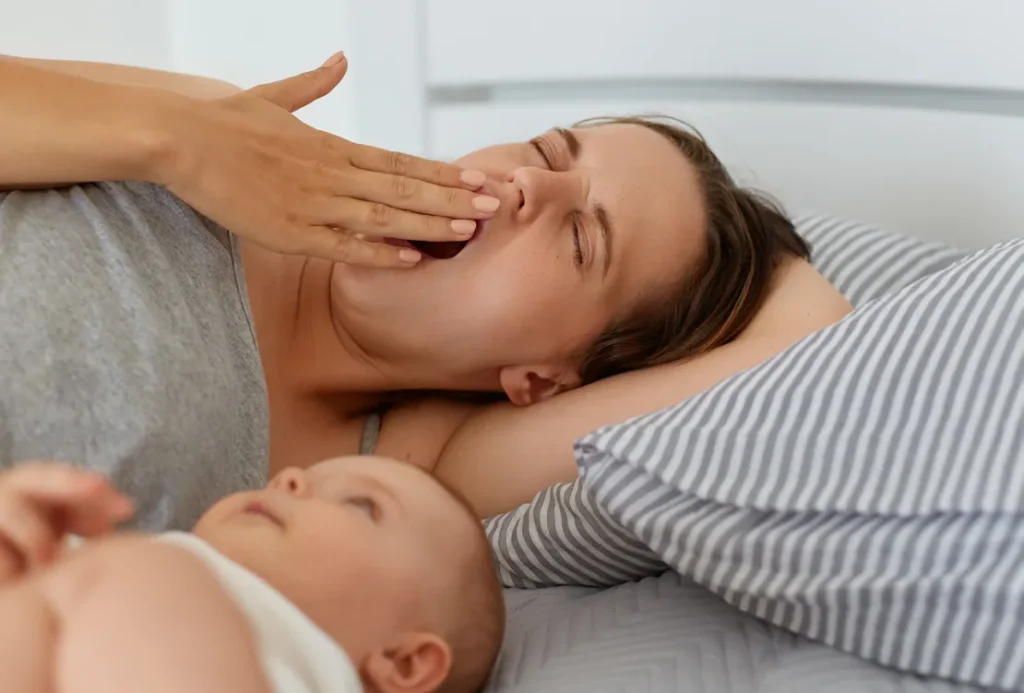
It is 2am on a Tuesday night. Your partner snores beside you while your eyes feel like you have been out partying until dawn. Except you are in your thirties, and the “party” has been happening every night for the past 13 weeks with your newborn. No late-night cheeseburgers. No sleeping in. Just another feed, another resettle, another scroll through your phone to stay awake.
You are not alone. You are in multiple newborn Facebook groups, and your TikTok and Instagram feeds are perfectly curated with baby content. During night feeds, you can scroll endlessly. But with every swipe comes another advertisement. Magnesium sprays. Red lights. Colic cures. And countless sleep consultants promising that if you pay, your baby will sleep through the night in 72 hours. Sleep deprivation is more than a rite of passage for new parents. It is a public health issue. In the first year postpartum, anxiety and depression rates rise, cognitive function drops and decision-making becomes harder.
Neurologically, exhausted parents are less able to separate fact from fiction. In any other context, this would be described as a vulnerable population.
In motherhood, we simply call it normal.
In regulated health professions, vulnerable groups are protected by clear guardrails such as ethical standards, complaint pathways, ongoing education and accountability. In the infant sleep industry, those safeguards largely do not exist. The title “sleep consultant” sounds official, yet there is no universal qualification, no minimum training requirement and no licensing body. Anyone can complete a short course, print a certificate or rebrand once their own baby begins sleeping well.
This matters because infant sleep is not only about rest. It is connected to neurodevelopment, emotional regulation, feeding and parental wellbeing. The advice given during these early months can have lasting effects, yet without regulation there is little oversight. Practices are often marketed as gentle or evidence-based without clear accountability.
My inbox regularly fills with stories from exhausted parents who sought help and felt more overwhelmed afterwards. Some describe being told to avoid eye contact with their baby regardless of distress. Others recall consultants speaking through monitors,
instructing them to leave the room while their baby cried. There are reports of expensive “personalised” plans that appear copied and pasted, or parents being told their baby would never learn to sleep because they were too responsive.
The responsibility does not sit with parents searching for support at 4am. It lies with a system that makes it easy to market sleep solutions to exhausted families while making it difficult to distinguish genuine expertise from clever branding.
If you are reading this in the middle of the night with a baby on your chest, know this. It does change. My daughter is three now, and we sleep. Not because of rigid schedules or costly programmes, but because babies grow and sleep evolves over time. Your baby is not broken. The system around sleep support simply needs stronger boundaries.
Until regulation improves, discernment is one of the most powerful tools parents have. Ask questions. Seek evidence. Trust your instincts. And feel free to ignore anyone sliding into your messages insisting your tiny baby should already be sleeping through the night.