Home

First time renovating? The rules that can save you thousands

First time renovating? The rules that can save you thousands

by Glen James and Rachelle Kroon

Renovations test both patience and creativity. But with planning, clear communication and emotional awareness, the process can be much smoother and more enjoyable.

There are three main reasons you may choose to renovate:

  1. To add value. Increasing the valuation of your property gives you instant equity and allows you to utilise the equity you’ve built. You may use this to release a family or government guarantee, buy an investment property, or simply for peace of mind that your loan is now lower in comparison to the value of your property.

  2. To make it your own. Renovations allow you to create the space you want to live in and tailor the property to your lifestyle and preferences.

  3. To get into a better area. Fixing up a lower grade property in an area you’re happy with for now may give you the boost you need to move to the next property you want to live in longer term.

Knowing your ‘why’ when you choose to renovate will help guide how you go about it and what you choose to improve.

Understanding the costs

Before starting any renovation, it’s crucial to understand the full costs involved. Factor in materials, approvals, labour, project management, time, bad weather and unexpected issues that may arise.

Knowing the total cost upfront helps you avoid surprises and ensures your renovation adds value rather than becoming a financial burden. This is where planning is key!

Financing a renovation

Many property owners use the equity in their home to fund renovations. This allows you to access funds without needing to save the entire amount upfront.

Consider the end value of the property after renovations: will the improvements give you enough equity or value increase to justify the cost? Add value in a way that actually adds value.

How handy are you?

If you’re handy and undertaking some work yourself, this can reduce costs. However, ensure you’re realistic about your skills and the time required. There’s nothing worse than burning out trying to save cash – sometimes it’s best just to pay a professional!

Poor DIY work can also reduce the value added or create costly fixes later, so ensure

your skills are up to the task.

When do I need council approval?

Some renovations require council approval, especially structural changes, extensions or alterations to the property’s exterior. Approval rules vary greatly by location, so it’s essential to check with your local council before starting any work.

Even minor renovations can trigger requirements depending on zoning, heritage overlays or building codes. Always confirm early to avoid fines, delays or costly modifications.

Planning and project management

Good planning is key. Create a timeline, set a budget and consider hiring a project manager if the renovation is complex.

Keep track of contractors, deliveries and permits to avoid delays and unexpected costs.

The emotional side of renovations

Renovating a home can be exciting, but it’s also stressful. Even small projects can uncover unexpected issues: unplanned wet weather days, structural surprises or trades that cost you more than you expected.

It’s easy to get frustrated, anxious or overwhelmed when things don’t go perfectly according to plan. Practical tips to ease the emotional challenge include:

  • Set realistic expectations. Prepare yourself mentally for delays, extra costs or minor hiccups. These are annoying, but normal. Anticipating bumps in the road helps reduce stress when they happen.

  • Plan and budget carefully. Realistic budgets with buffers and timelines make surprises easier to handle. These also help you conceptualise what’s coming next. Include a contingency fund for unexpected expenses.

  • Break the process into stages. Determine what steps come in what order. You don’t have to do everything at once and naturally there’ll be steps that have to come before others.

  • Communicate clearly with your builder or contractor. Pick a builder you communicate well with and encourage regular updates to help avoid misunderstandings and keep the project on track.

  • Keep your ‘why’ front of mind. Remember why you’re renovating, whether it’s for value, lifestyle or future flexibility. Focusing on the end goal helps you ride out temporary frustrations.

  • Take breaks and step back. Go and do something fun every once in a while! Renovations can become all-consuming and it’s easy to lose perspective.

Adding value

Here are our top five value-add renovation ideas:

  1. Kitchens: Upgrading benchtops, cabinets, appliances and lighting gives the biggest bang for your buck and modernises the heart of the home.

  2. Bathrooms: Even small improvements like new taps, showers, vanities or tiles can significantly increase appeal and value.

  3. Fresh paint: Neutral colours throughout the home brighten the space and make it feel well maintained.

  4. Flooring: New carpets in bedrooms or modern timber/laminate floors in living areas lift the overall look and feel.

  5. Curb appeal and outdoor spaces: Tidy gardens, lawns and pathways, or adding a deck/patio, create a strong first impression and improve lifestyle appeal.

Edited extract from ‘The quick-start guide to your first property’ by Glen James and Rachelle Kroon

More from

Home

Moving House? Don’t Trust Your Treasures to Just Anyone
Home

Moving House? Don’t Trust Your Treasures to Just Anyone

Moving house is stressful enough without watching someone casually balance your grandmother’s antique cabinet on the edge of a trolley. While price will always play a part when choosing a removalist, there’s a big difference between hiring someone who can move furniture and engaging professionals who understand how to protect, transport and deliver the things that matter to you. So, before you hand over the keys – and your treasured belongings – here’s what to look for. 1. They ask questions before moving day A professional removalist should want to understand exactly what they’re moving. Ideally, this includes an onsite consultation or detailed assessment of your home, access points, larger pieces and anything particularly valuable, fragile or difficult to transport. It allows the right vehicle, equipment, packing materials and number of people to be allocated to the job – and reduces unwelcome surprises on moving day. 2. Packing is taken seriously There’s a reason professional packing looks different from throwing everything into boxes and hoping for the best. Quality removalists use appropriate, heavy-duty packing materials and know how to protect furniture, artwork, televisions, mirrors and sentimental or valuable pieces. Companies such as SECURIER offer professional packing as part of their moving service, as well as unpacking and installation at the destination. If you’re packing yourself, ask how this may affect responsibility for damage and whether additional insurance is recommended. 3. They have experience with the difficult stuff Grand pianos, artwork, antiques, oversized furniture and delicate pieces require more than muscle. They need experience, specialised equipment and careful planning. Ask your removalist how they handle high-value or unusual items and what systems they use to protect them during loading and transport. 4. The quote is clear The cheapest hourly rate isn’t necessarily the cheapest move. Ask exactly what your quote includes: travel time, number of removalists, vehicle size, packing, dismantling and reassembly, stairs, tolls, storage and any potential additional charges. A professional operator should be comfortable explaining costs upfront rather than surprising you with extras later. 5. Ask about insurance Never assume your belongings are automatically covered if something goes wrong. Ask what insurance applies during the move, what isn’t covered and whether additional transport insurance is available. It’s also worth reading the company’s terms and conditions before booking – particularly when moving expensive or irreplaceable items. The real benefit? Peace of mind. SECURIER’s approach is a good example of what a premium moving service can look like: onsite consultation and inventory, professional packing, scheduled communication, secure transport, unpacking and installation, followed by removal of packaging and rubbish. Because ultimately, you’re not simply paying someone to carry boxes. You’re trusting them with pieces of your life – and that’s one move worth getting right.

Forget Spring Cleaning: The Spring Reset Your Home Really Needs
Home

Forget Spring Cleaning: The Spring Reset Your Home Really Needs

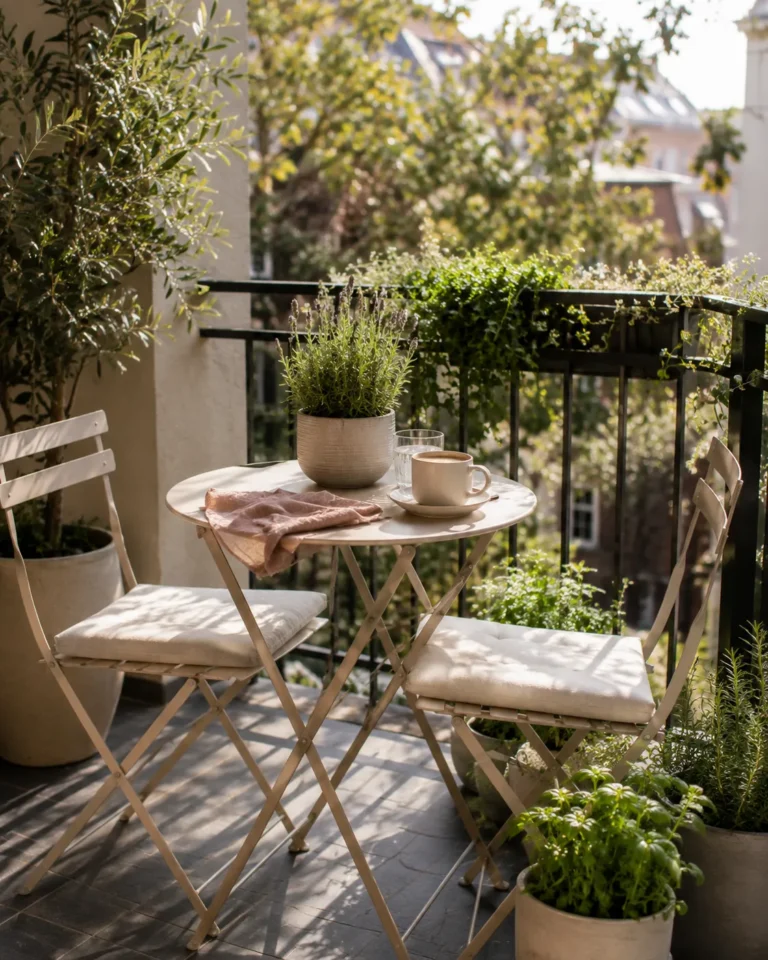
Spring is a time to peel back the layers, feel the warmth of the sun on our faces and embrace the colour and freshness of a new season. For many of us, it’s also time to roll up our sleeves, throw back the curtains and start scrubbing. I have strong memories of my mum on a ladder, bucket of soapy water at hand, furiously washing the walls. But what if, instead of cleaning our homes from top to bottom, we used spring as an opportunity to reset them? Reset your space Look around your home and, rather than asking, ‘What needs cleaning?’, ask, ‘What’s no longer working?’ Is there an armchair in your bedroom that has become a dumping ground for clothes? Is the hallway permanently cluttered with shoes? Or perhaps you have a room whose only purpose seems to be displaying dusty books and old school trophies. You don’t need new furniture or a renovation. It’s about editing, rearranging and making more intentional choices about the way you use your space. Move that armchair from the bedroom and place it near a sunny window to create a reading corner. Clear a neglected surface. Give an underused area a new purpose. Tip: Choose one room and remove three things you no longer love. Then rearrange what remains before deciding whether you need to buy anything new. Reset your routines Our homes are shaped by our habits just as much as they are by our furniture. While routines can make life easier, a new season is a good opportunity to reconsider the ones that have started to feel more like ruts. Could mornings be calmer with a dedicated coffee station? Would evenings feel more relaxing if devices stayed outside the bedroom? Could a forgotten corner become a space for meditation, journaling or simply sitting quietly? A home should support the life you want to live, not just the one you’ve fallen into by habit. Sometimes changing how you use a room is more transformative than changing the room itself. Tip: Introduce one new ritual this spring – breakfast in the garden on weekends, fresh flowers every Friday or winding down with a book by lamplight each night. Reset your colours Spring naturally inspires us to lighten and refresh our homes. While a coat of paint can transform a room relatively quickly and economically, there are plenty of ways to embrace the new season without picking up a paintbrush. Pack away heavy winter throws and darker accessories and bring in lighter linens, soft greens, warm whites and gentle botanical tones. Fresh flowers, leafy branches or a bowl of colourful fruit can instantly breathe life into a space. Think of your home’s colour palette as something that can evolve with the seasons, rather than something fixed. Tip: Refresh one room using only what you already own. Swapping cushions, artwork and decorative pieces between rooms can create an entirely new look without spending a cent. Reset your outdoor living As the days grow longer and the weather warms, our living spaces naturally begin to extend outdoors. You don’t need a sprawling backyard to make the most of the season. A balcony, courtyard or even a sunny windowsill can become an inviting retreat. Wash down outdoor furniture, pot a few herbs, add some cushions or string lights, or simply create a comfortable spot to enjoy your morning coffee. Spring is the perfect reminder to make the most of Australia’s beautiful weather and reconnect with outdoor living. Tip: Create one outdoor destination – even if it’s simply a chair, a small table and a pot of herbs where you can enjoy your first coffee of the day. Reset your mindset Perhaps the most important reset has nothing to do with your home at all. For years, we’ve been told our homes should look a certain way: minimalist, perfectly styled and free from clutter. But a truly welcoming home isn’t about perfection. It’s about reflecting the people who live there. Rather than aiming for magazine-worthy rooms, focus on creating spaces that support your wellbeing, reflect your personality and make everyday life a little easier. Keep the artwork that makes you smile. Display the travel souvenirs that bring back memories. Let your home tell your story. Tip: Instead of asking, ‘What should I get rid of?’, ask yourself, ‘How do I want my home to feel this spring?’ Then let that answer guide the changes you make. Spring has always been associated with fresh starts, but perhaps the best refresh isn’t found in a bucket of soapy water and a scrubbing brush. It’s about creating a home that works for the life you’re living now. This season, forget striving for spotless perfection. Reset your space, your routines and your mindset – and you might find a few thoughtful changes make a much bigger difference than the deepest spring clean. Happy styling! About the author Kylie Harding Founder of Styled to Sell, Stylist and Contributor Kylie Harding is the founder of Styled to Sell, a property styling business she has run for more than 25 years. Instagram Website

Would you buy a house that works against you?
Home

Would you buy a house that works against you?

Buying a home is one of the biggest decisions most of us will ever make. We spend months scrolling through listings, attending inspections and comparing suburbs. We look at school catchments, transport links, renovation potential and property values. We calculate budgets, organise finance and imagine where the furniture might go. But there is one question many buyers never think to ask: How will this home actually feel to live in? It’s something Classical Feng Shui consultant Lisa Burman encourages people to consider before signing on the dotted line. “People often focus on the practical aspects of a property, which are absolutely important,” she says. “But a home is much more than a floorplan and a postcode. It’s the environment you’ll wake up in every day, raise your family in and build your life around.” While Feng Shui is often associated with lucky bamboo plants and carefully positioned furniture, Classical Feng Shui takes a different approach. It examines factors such as a home’s orientation, age and surrounding environment to better understand how the space may influence the people who live there. According to Lisa, every property has its own unique energetic blueprint. “Just as no two people are exactly alike, no two homes are either,” she explains. It’s a concept that resonates with many homeowners. Most of us have walked into a property and instantly felt comfortable. Others might tick every box on paper, yet something doesn’t feel quite right. That feeling, Lisa says, is often overlooked during the buying process. “We’re very good at analysing properties from a financial perspective, but we don’t always stop to consider how a home might support our wellbeing, relationships or lifestyle.” Of course, location, affordability and practical needs should always come first. But understanding how a property feels can add another layer to the decision-making process. The same principle can apply when it’s time to sell. While fresh paint, decluttering and good styling can certainly help attract buyers, Lisa believes creating a welcoming atmosphere is just as important. “People make emotional decisions about property,” she says. “Often within moments of walking through the front door they’ve already formed an impression of whether they can see themselves living there.” Simple changes such as improving natural light, creating a sense of flow and removing visual clutter can help buyers connect with a space more easily. At its heart, Feng Shui is based on a fairly universal idea: our environment influences how we feel. Most people would agree they feel different in a calm, light-filled home than they do in a dark, cluttered space. The places where we live can affect our mood, energy levels and overall sense of wellbeing. “When you’re buying a home, you’re not just buying a building,” Lisa says. “You’re choosing the environment that will shape your everyday life.” Whether you’re a firm believer in Feng Shui or simply curious about the concept, it offers an interesting reminder that a home is more than bricks and mortar. It’s the backdrop to your life, and that’s something worth considering before you pick up the keys. About the author Suzanne Butler Founder of Harmonising Energies, Classical Feng Shui Practitioner and Contributor Helping people create homes that support their health, relationships, career success and financial wellbeing. With a unique blend of environmental analysis, mindset work and practical strategy, Suzanne helps clients understand how their surroundings influence their everyday experiences and long-term outcomes. Facebook LinkedIn Instagram Website

The cosy luxury trends we’re embracing this Winter
Home

The cosy luxury trends we’re embracing this Winter

For years, luxury interiors were all about perfection — immaculate styling, sharp minimalism and homes that looked beautiful but didn’t always feel lived in. This winter, the focus is shifting toward comfort, warmth and creating spaces that invite us to slow down. Think layered bedding, softer lighting, rich textures and rooms designed for living, not just looking good. The goal is no longer to create a showroom-perfect home, but one you genuinely want to curl up in during the colder months. TIP: Cosy luxury doesn’t have to mean expensive. Often, the most inviting homes are layered with personality, comfort and pieces collected over time. COLOUR Burgundy, sage and cream might sound like ingredients from a winter menu, but they’re also some of this season’s most popular interior shades. While paint can instantly transform a room, you don’t need to commit to a full makeover to embrace winter tones. Cushions, throws, vases and artwork in rich seasonal colours can add warmth and depth without the long-term commitment. Warm metals, timber accents and natural finishes can also help create a cosy winter sanctuary. Other moody winter shades include: olive clay chocolate smoky blue deep green terracotta TIP: Stores such as Kmart offer affordable on-trend accessories in warm winter colours, making it easy to update a space without overspending. TEXTURE Luxury is just as much about how a home feels as how it looks. Soft cashmere throws, velvet feather-filled cushions and layered bedding instantly create warmth and comfort during winter. Bouclé (pronounced boo-clay) continues to dominate interiors, adding softness and texture to living spaces. This season is all about layering different fabrics and finishes to create a home that feels welcoming and lived in. TIP: Texture is personal. Choose fabrics and finishes that feel genuinely comfortable and calming to you. LIGHTING A big part of cosy luxury comes down to ambience. A lamp glowing in the corner, candles flickering on a coffee table or wall sconces casting soft shadows can completely change the mood of a room. Winter interiors are moving away from harsh overhead lighting and embracing softer, warmer light sources instead. Think: lamps instead of overhead lighting candles wall sconces warm-toned globes dimmer switches The goal is less “display home” and more “boutique hotel lounge”. TIP: Avoid heavily scented candles, which can quickly overpower a room or irritate sensitive noses. MAKE IT PERSONAL Winter is the perfect time to lean into the pieces that make a home feel personal and comforting. Favourite books, vintage finds, framed photos, board games and meaningful artwork all help create a sense of warmth and familiarity. Rather than chasing copy-and-paste interiors, many people are embracing homes that feel collected and lived in. Think: collected pieces vintage finds meaningful art books family photos TIP: Don’t overthink it. If you love it, display it. OUTSIDE Cosy living doesn’t have to stop at the back door. There’s something hard to beat about the atmosphere of an outdoor fire on a cold night. If space is limited, a compact fire pit can still create warmth and ambience without overwhelming a small outdoor area. Outdoor lighting also goes a long way in making a space feel inviting during winter, whether it’s festoon lights, lanterns or soft garden lighting. TIP: Hardware and homewares stores often stock affordable outdoor lighting options during winter, making it easy to create atmosphere on a budget. THE WRAP This winter, let trends inspire you, but focus on creating a home that feels warm, calming and comforting to you. Because true luxury isn’t about how perfect a space looks — it’s about how it makes you feel. About the author Kylie Harding Founder of Styled to Sell, Stylist and Contributor Kylie Harding is the founder of Styled to Sell, a property styling business she has run for more than 25 years. Instagram Website