

Suzanne Butler

Contributor

Suzanne Butler

Founder of Harmonising Energies, Classical Feng Shui Practitioner and Contributor

Suzanne Butler is the founder of Harmonising Energies, a Classical Flying Stars Feng Shui consultancy helping people create homes that support their health, relationships, career success and financial wellbeing. With a unique blend of environmental analysis, mindset work and practical strategy, Suzanne helps clients understand how their surroundings influence their everyday experiences and long-term outcomes.

Working with homeowners, property buyers, business owners and property professionals across Australia and internationally, Suzanne is passionate about making Feng Shui accessible, practical and relevant for modern living. She is also a contributing writer covering Feng Shui, property, lifestyle and personal development, with a focus on helping people create spaces that truly support the life they want to live.

Articles by Suzanne Butler

4 articles published

Would you buy a house that works against you?
Home

Would you buy a house that works against you?

Buying a home is one of the biggest decisions most of us will ever make. We spend months scrolling through listings, attending inspections and comparing suburbs. We look at school catchments, transport links, renovation potential and property values. We calculate budgets, organise finance and imagine where the furniture might go. But there is one question many buyers never think to ask: How will this home actually feel to live in? It’s something Classical Feng Shui consultant Lisa Burman encourages people to consider before signing on the dotted line. “People often focus on the practical aspects of a property, which are absolutely important,” she says. “But a home is much more than a floorplan and a postcode. It’s the environment you’ll wake up in every day, raise your family in and build your life around.” While Feng Shui is often associated with lucky bamboo plants and carefully positioned furniture, Classical Feng Shui takes a different approach. It examines factors such as a home’s orientation, age and surrounding environment to better understand how the space may influence the people who live there. According to Lisa, every property has its own unique energetic blueprint. “Just as no two people are exactly alike, no two homes are either,” she explains. It’s a concept that resonates with many homeowners. Most of us have walked into a property and instantly felt comfortable. Others might tick every box on paper, yet something doesn’t feel quite right. That feeling, Lisa says, is often overlooked during the buying process. “We’re very good at analysing properties from a financial perspective, but we don’t always stop to consider how a home might support our wellbeing, relationships or lifestyle.” Of course, location, affordability and practical needs should always come first. But understanding how a property feels can add another layer to the decision-making process. The same principle can apply when it’s time to sell. While fresh paint, decluttering and good styling can certainly help attract buyers, Lisa believes creating a welcoming atmosphere is just as important. “People make emotional decisions about property,” she says. “Often within moments of walking through the front door they’ve already formed an impression of whether they can see themselves living there.” Simple changes such as improving natural light, creating a sense of flow and removing visual clutter can help buyers connect with a space more easily. At its heart, Feng Shui is based on a fairly universal idea: our environment influences how we feel. Most people would agree they feel different in a calm, light-filled home than they do in a dark, cluttered space. The places where we live can affect our mood, energy levels and overall sense of wellbeing. “When you’re buying a home, you’re not just buying a building,” Lisa says. “You’re choosing the environment that will shape your everyday life.” Whether you’re a firm believer in Feng Shui or simply curious about the concept, it offers an interesting reminder that a home is more than bricks and mortar. It’s the backdrop to your life, and that’s something worth considering before you pick up the keys.
Feng Shui for Calm Homes: Reduce Overstimulation & Stress
Home

Feng Shui for Calm Homes: Reduce Overstimulation & Stress

By Suzanne Butler from Harmonising Energies Feng Shui Styling for mental wellbeing through feng shui In a world of constant notifications, emotional demands and pressure to always be “on”, many of us are living in a near-permanent state of nervous system overload. While therapy, mindfulness and healthy boundaries all play an important role, there is another influence quietly shaping how we feel each day – our home environment. From a feng shui perspective, your home is more than just a place to live. It is an energetic extension of you. When a space feels chaotic or misaligned, even the best self-care routines can struggle to take hold. A calm home does not just look peaceful, it helps regulate how you feel. Feng shui and the nervous system Long before modern neuroscience explored the connection between environment and mental wellbeing, feng shui recognised the powerful relationship between space and emotion. When a home feels out of balance, people often notice subtle shifts in how they experience daily life — difficulty switching off at night, restless sleep, irritability or a lingering sense of unease. These responses are not always personal shortcomings; sometimes they are simply signals that the environment is not supporting the nervous system as well as it could. Calm is flow, not minimalism One of the biggest misconceptions about calm interiors is that they need to feel stark or minimalist. From a feng shui lens, an overly empty space can feel just as unsettling as one that is cluttered. True calm comes from balance rather than absence. A feng shui-aligned home focuses on gentle flow and comfort. Furniture placement should allow easy movement through a room, helping energy circulate naturally. Key pieces such as beds and desks are ideally positioned so you can see the doorway without being directly in line with it, creating a sense of ease and awareness. Balance between yin and yang is also important. Too much brightness or activity can feel agitating, while heavy, dark spaces may feel stagnant. Rugs, artwork and thoughtfully grouped furniture can help create a sense of containment, allowing the body to relax and feel held within the space. Colour, light and sensory load Colour plays a powerful role in how a room feels. Highly saturated tones or excessive contrast can feel overstimulating, particularly in bedrooms, living areas and workspaces. That does not mean avoiding colour altogether, it simply means using it with intention and balance. Similarly, lighting has a profound impact on mood. Harsh overhead lighting can keep the body in a state of alertness, while layered lighting allows your home to support different rhythms throughout the day. Bright light can encourage focus and energy, while softer, warmer tones help signal rest. When clutter becomes emotional noise Clutter is not just a visual issue. In feng shui, unused or broken items, emotionally charged objects or belongings tied to past versions of ourselves can create energetic noise. Even when we stop consciously noticing them, our nervous system continues to register their presence. A calm home does not need to be spotless or minimal. Instead, it feels clear, intentional and supportive of who you are today. A home that supports, not performs It is easy to create a space that looks beautiful on the surface yet feels oddly uncomfortable to live in. True wellbeing comes when a home supports both rest and productivity, reflects your current life and allows you to soften rather than brace. Calm is not about buying more or chasing perfection. Often, it begins with small shifts like moving furniture, adjusting lighting or letting go of what no longer serves you. When a home feels aligned, it becomes more than a showpiece. It becomes a quiet source of support in an overstimulated world.

A Feng Shui Christmas: The dos and don’ts for a joyful, balanced festive season
Home

A Feng Shui Christmas: The dos and don’ts for a joyful, balanced festive season

By Suzanne Butler  As the year draws to a close and Christmas lights begin to twinkle, our homes become the heart of celebration. Yet beneath the tinsel and tree lies something deeper — the energy that shapes how we feel, connect and experience the season. Feng Shui, the ancient Chinese art of harmonising energy, offers timeless wisdom to help you create a space that feels calm, abundant and full of joy.  Here’s how to bring balance to your festive season with a few simple dos and don’ts.  Do: Decorate with intention Before pulling out the decorations, clear clutter and release what’s no longer serving you. Stagnant energy lingers around piles of “stuff”, creating tension and fatigue. Choose décor that genuinely lifts your mood. A mindful approach keeps your space light and full of festive flow.  Don’t: Overcrowd your space Too many decorations can block energy and heighten stress. Aim for open movement in your living and dining areas — spaces where emotions (and sometimes opinions) tend to rise. When energy flows smoothly, so do conversations, making it easier to prevent awkward moments or family drama over dinner.  Do: Use red and gold wisely Red and gold aren’t just festive — they’re powerful Feng Shui colours. Red symbolises Fire energy — joy, warmth, passion — while gold represents the Metal element, bringing focus and success. Use them in balance: too much red can spark tempers (especially from chatty uncles after their second drink), while gold brings calm refinement. Think balance, not blaze.  Don’t: Block the front door Your front door is the “mouth of Chi”, the main entry for energy — and guests. Keep it open, bright and clutter-free. A wreath made from natural greenery invites harmony, while gentle lighting encourages a peaceful welcome. This simple act also prevents family tension from “getting stuck” at the door — the energetic equivalent of stopping arguments before they start.  Do: Position your tree with purpose Your Christmas tree symbolises growth and vitality. Placing it in the east boosts family harmony, the southeast attracts wealth and the south enhances reputation and joy. Avoid the northwest if you can, as it may trigger stubborn or dominant energy (looking at you, Uncle Kevin). A balanced tree equals a balanced table conversation.  Don’t: Use sharp or harsh decorations Spiky ornaments, pointy branches or glittering stars aimed like darts can create “cutting Chi”, leading to irritability or tension. Choose rounded shapes, soft lighting and smooth textures to maintain a gentle, welcoming atmosphere — the antidote to festive feuds.  Do: Bring nature indoors Balance the high-energy buzz of Christmas with grounding, natural touches. Fresh pine, eucalyptus or even a small potted plant connects your home to the Wood element, encouraging growth and calm. A bowl of fruit or flowers on the table can help keep emotions sweet rather than sour.  Don’t: Forget gratitude and intention The strongest Feng Shui tip of all? Set your intention. As you decorate, reflect on what you’re grateful for and what you’d like to call in for the new year. Write those wishes and tuck them beneath the tree — a symbolic gesture of peace, abundance and family unity.  This Christmas, let Feng Shui guide you beyond the decorations and into the energy that truly matters — harmony, connection and calm. Because when your home is balanced, even Uncle Kevin can’t shake your festive spirit.

Feng Shui your way to a better bedroom
Home

Feng Shui your way to a better bedroom

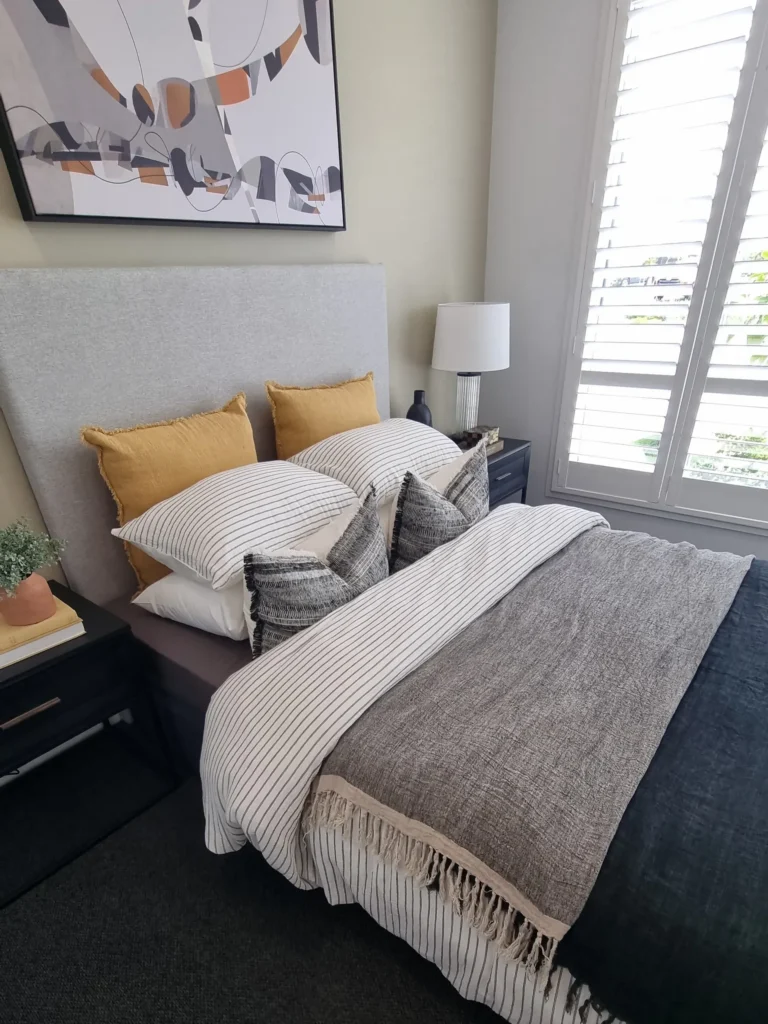
By Suzanne Butler from Harmonising Energies Feng Shui Your bedroom is your sanctuary—a place for sleep, love, and intimacy. However, as a Feng Shui practitioner, I often encounter elements in bedrooms that negatively impact those who reside in them. From the disappearance of intimacy in a relationship to difficulties in finding a suitable partner, and even a lack of quality sleep, several factors in your bedroom’s décor and arrangement can affect your well-being. Here’s how to transform your bedroom into a true sanctuary. Absent Intimacy Take a moment to examine your bedroom. What do you see? Are there photos of your children or family on your chest of drawers or bedside cabinets? These images, while meaningful, can energetically feel like voyeurism, with your family or friends “looking on.” To foster intimacy, move these photos to the East area of your home, which is the Family zone according to Feng Shui principles. Fruitless Dating Are you struggling with dating—either not getting dates or not progressing beyond the initial stages? Your bedroom decor might be the culprit. Look around: Do you have many images of yourself alone? Does the artwork suggest partnership or eternal singledom? For inviting love, your decor should reflect partnership. Ensure you have pairs of items, such as matching bedside cabinets and lamps. Additionally, remove anything that reminds you of an ex. Creating space for a partner, both physically and symbolically, is crucial. Constant Exhaustion Whilst having an exercise bike or treadmill in the bedroom might seem convenient for morning workouts, these items can actually create unnecessary exhaustion. Being constantly reminded of an activity that requires motivation and effort can drain your energy, leaving you too tired for other “fun” things in the bedroom. Similarly, working in bed can disrupt your rest. If you must have an office space in your bedroom, make sure you can block it off at the end of the day with a screen or cover it with something like a sarong. This separation helps keep work out of your sleeping space, promoting better rest and relaxation. Bed Don’t worry, I didn’t miss the most crucial part. Your bed. There are a lot of questions about bed placement, and it is something that I debunk often. There are going to be one or 2 places only that you can put your bed and for the most part it will be obvious. What you do need however, is a solid headboard to provide you with support and, nothing above your bed. Having art above the bed provides the energy of negativity hanging over you. It can disturb sleep and also create pressure in relationships. And finally, take the time to upgrade. When it comes time to buy new linen, step up to the next level. You spend nearly 50% of your life in your bed, make sure it’s comfortable. If any of these issues resonate with you, take a closer look around your bedroom. You might be surprised by the small changes that can have a significant impact on your sleep and intimacy.   Relationships are already a lot of consistent work, lets take one lot of concerns off the table. Balance your bedroom and balance your love life.