Skip to content

Health, well-being, lifestyle — Australia’s lifestyle quarterly.

Welcome to our comprehensive home and lifestyle section, where inspiration meets practicality in creating the perfect living environment.

Creating a harmonious home environment involves balancing aesthetics with functionality, especially when you're navigating the unique challenges of modern living. Our curated selection of home and lifestyle content explores diverse topics that provide practical insights, expert advice, and relatable experiences that can help you make informed decisions about your living space and personal choices that shape how we live, work, and relax in our personal spaces.

Would you buy a house that works against you?
Home and Lifestyle

Would you buy a house that works against you?

Buying a home is one of the biggest decisions most of us will ever make. We spend months scrolling through listings, attending inspections and comparing suburbs. We look at school catchments, transport links, renovation potential and property values. We calculate budgets, organise finance and imagine where the furniture might go. But there is one question many buyers never think to ask: How will this home actually feel to live in? It’s something Classical Feng Shui consultant Lisa Burman encourages people to consider before signing on the dotted line. “People often focus on the practical aspects of a property, which are absolutely important,” she says. “But a home is much more than a floorplan and a postcode. It’s the environment you’ll wake up in every day, raise your family in and build your life around.” While Feng Shui is often associated with lucky bamboo plants and carefully positioned furniture, Classical Feng Shui takes a different approach. It examines factors such as a home’s orientation, age and surrounding environment to better understand how the space may influence the people who live there. According to Lisa, every property has its own unique energetic blueprint. “Just as no two people are exactly alike, no two homes are either,” she explains. It’s a concept that resonates with many homeowners. Most of us have walked into a property and instantly felt comfortable. Others might tick every box on paper, yet something doesn’t feel quite right. That feeling, Lisa says, is often overlooked during the buying process. “We’re very good at analysing properties from a financial perspective, but we don’t always stop to consider how a home might support our wellbeing, relationships or lifestyle.” Of course, location, affordability and practical needs should always come first. But understanding how a property feels can add another layer to the decision-making process. The same principle can apply when it’s time to sell. While fresh paint, decluttering and good styling can certainly help attract buyers, Lisa believes creating a welcoming atmosphere is just as important. “People make emotional decisions about property,” she says. “Often within moments of walking through the front door they’ve already formed an impression of whether they can see themselves living there.” Simple changes such as improving natural light, creating a sense of flow and removing visual clutter can help buyers connect with a space more easily. At its heart, Feng Shui is based on a fairly universal idea: our environment influences how we feel. Most people would agree they feel different in a calm, light-filled home than they do in a dark, cluttered space. The places where we live can affect our mood, energy levels and overall sense of wellbeing. “When you’re buying a home, you’re not just buying a building,” Lisa says. “You’re choosing the environment that will shape your everyday life.” Whether you’re a firm believer in Feng Shui or simply curious about the concept, it offers an interesting reminder that a home is more than bricks and mortar. It’s the backdrop to your life, and that’s something worth considering before you pick up the keys.

Print is back baby!
Home and Lifestyle

Print is back baby!

By Leanne Hart, Publisher, Get It Magazine I bought a newspaper the other day. The first one I’ve bought in years. Real paper, no scrolling, no pop-ups—just me, coffee, and quiet. And sitting there, I started thinking about why print advertising in Australia is having a moment that a lot of marketers are quietly scrambling to catch up with. One detail stopped me cold: Harvey Norman owned nearly a quarter of the 94 pages through advertising alone. My first thought wasn’t how much did that cost? It was why? Here’s a massive company with budgets that could buy every digital channel available. Yet they still invest heavily in print. That question wouldn’t leave me alone. The answer, I realised, points to something bigger than nostalgia. It’s about what actually works when everything else is screaming for attention. The Digital Noise Problem Let’s be honest about where we are. Your phone pings constantly. Feeds refresh faster than you can read them. Algorithms shuffle content before you finish a sentence. Someone’s always trying to sell you something, and it all blurs together—real posts mixing with ads mixing with AI-generated answers that appear before you even click through. This isn’t digital fatigue in the romantic sense. It’s structural exhaustion. The medium itself has become unreliable. Google now serves AI summaries in roughly one in five searches, cutting traditional click-through rates from 27% down to 11% for top positions. Some research shows drops of nearly 50%. Businesses can’t rely on a single traffic lane any more. The old assumptions don’t hold. But here’s what’s interesting: while digital channels erode, something else is quietly happening. People aren’t abandoning the internet. They’re actively choosing something different when they want to actually pay attention. Why Print Works Differently There’s something fundamentally different about sitting down with a magazine or newspaper. It’s slower. More intentional. Less “blink and you’ve missed it.” When you hold a publication, you’re not competing with a hundred other posts appearing two seconds later. The advertiser isn’t fighting an algorithm. They’re meeting you in a space where you’ve already decided to slow down. And credibility matters here in ways digital struggles to replicate. Appearing in a trusted publication carries weight. Readers instinctively know that businesses in print have invested real money and commitment to reach their actual audience—not just anyone who scrolls past. Print signals intentionality. There’s also the sensory element people underestimate. You can return to a magazine later. Leave it on a coffee table. Hand it to someone. The physicality changes how you engage with it. It feels considered. Real. Not disposable. The Real Opportunity This isn’t about choosing print or digital. It’s about recognising that balance is where things actually get interesting. Harvey Norman understands something important: as digital becomes noisier and less reliable, people are actively seeking spaces where they can stop and genuinely engage. They’re hungry for credibility. For undivided attention. For something that feels intentional rather than algorithmic. The businesses paying attention to this shift aren’t nostalgic. They’re strategic. They see that stepping outside the usual digital box—finding the quiet spaces where people actually pay attention—still works. Sometimes the oldest solutions still deliver what newer channels promise but can’t quite achieve: genuine connection with people who are ready to listen. That’s not print coming back. That’s print finally making sense again.“Print Never Left. We Just Forgot Why It Mattered.“

The cosy luxury trends we’re embracing this Winter
Home and Lifestyle

The cosy luxury trends we’re embracing this Winter

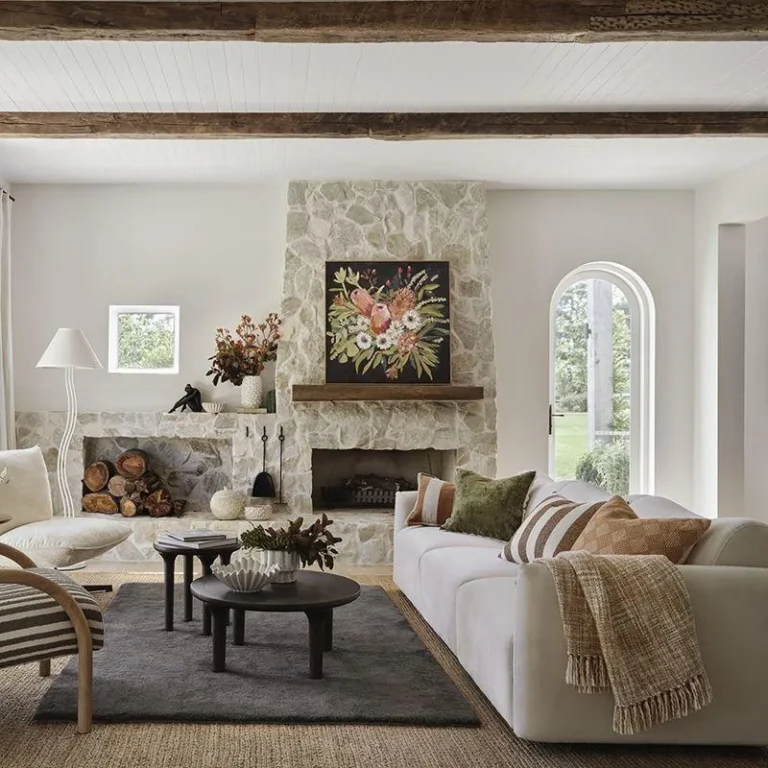
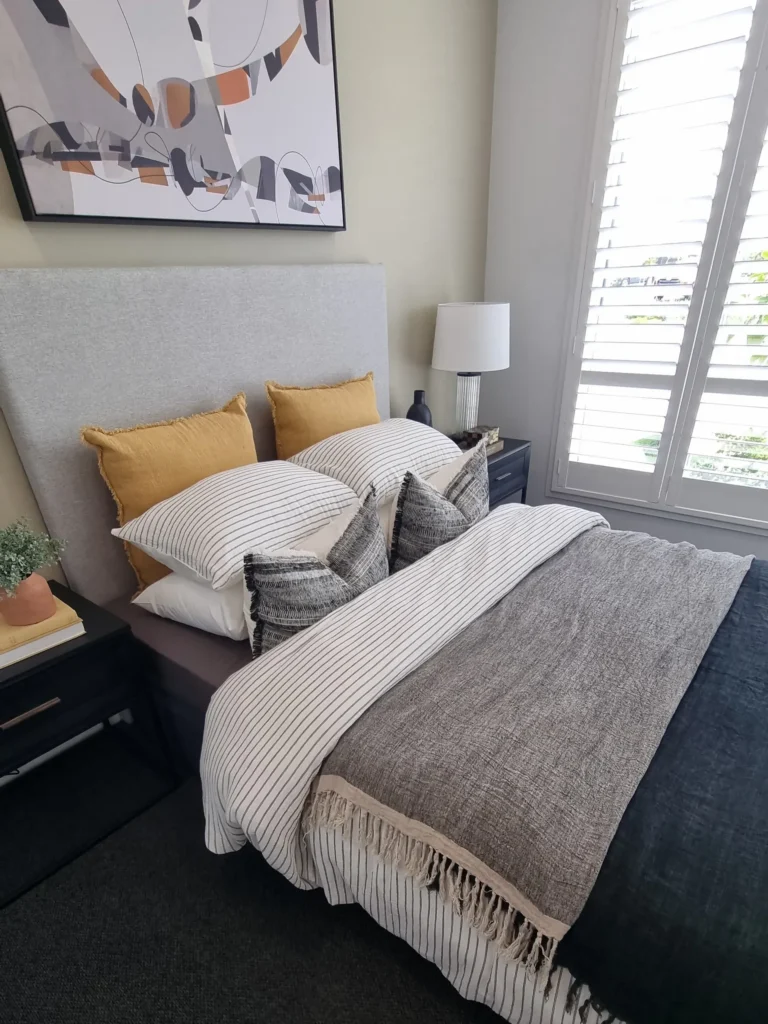
For years, luxury interiors were all about perfection — immaculate styling, sharp minimalism and homes that looked beautiful but didn’t always feel lived in. This winter, the focus is shifting toward comfort, warmth and creating spaces that invite us to slow down. Think layered bedding, softer lighting, rich textures and rooms designed for living, not just looking good. The goal is no longer to create a showroom-perfect home, but one you genuinely want to curl up in during the colder months. TIP: Cosy luxury doesn’t have to mean expensive. Often, the most inviting homes are layered with personality, comfort and pieces collected over time. COLOUR Burgundy, sage and cream might sound like ingredients from a winter menu, but they’re also some of this season’s most popular interior shades. While paint can instantly transform a room, you don’t need to commit to a full makeover to embrace winter tones. Cushions, throws, vases and artwork in rich seasonal colours can add warmth and depth without the long-term commitment. Warm metals, timber accents and natural finishes can also help create a cosy winter sanctuary. Other moody winter shades include: olive clay chocolate smoky blue deep green terracotta TIP: Stores such as Kmart offer affordable on-trend accessories in warm winter colours, making it easy to update a space without overspending. TEXTURE Luxury is just as much about how a home feels as how it looks. Soft cashmere throws, velvet feather-filled cushions and layered bedding instantly create warmth and comfort during winter. Bouclé (pronounced boo-clay) continues to dominate interiors, adding softness and texture to living spaces. This season is all about layering different fabrics and finishes to create a home that feels welcoming and lived in. TIP: Texture is personal. Choose fabrics and finishes that feel genuinely comfortable and calming to you. LIGHTING A big part of cosy luxury comes down to ambience. A lamp glowing in the corner, candles flickering on a coffee table or wall sconces casting soft shadows can completely change the mood of a room. Winter interiors are moving away from harsh overhead lighting and embracing softer, warmer light sources instead. Think: lamps instead of overhead lighting candles wall sconces warm-toned globes dimmer switches The goal is less “display home” and more “boutique hotel lounge”. TIP: Avoid heavily scented candles, which can quickly overpower a room or irritate sensitive noses. MAKE IT PERSONAL Winter is the perfect time to lean into the pieces that make a home feel personal and comforting. Favourite books, vintage finds, framed photos, board games and meaningful artwork all help create a sense of warmth and familiarity. Rather than chasing copy-and-paste interiors, many people are embracing homes that feel collected and lived in. Think: collected pieces vintage finds meaningful art books family photos TIP: Don’t overthink it. If you love it, display it. OUTSIDE Cosy living doesn’t have to stop at the back door. There’s something hard to beat about the atmosphere of an outdoor fire on a cold night. If space is limited, a compact fire pit can still create warmth and ambience without overwhelming a small outdoor area. Outdoor lighting also goes a long way in making a space feel inviting during winter, whether it’s festoon lights, lanterns or soft garden lighting. TIP: Hardware and homewares stores often stock affordable outdoor lighting options during winter, making it easy to create atmosphere on a budget. THE WRAP This winter, let trends inspire you, but focus on creating a home that feels warm, calming and comforting to you. Because true luxury isn’t about how perfect a space looks — it’s about how it makes you feel.

Why real-world shopping is back.
Home and Lifestyle

Why real-world shopping is back.

There’s something exhilarating about shopping online. The convenience of browsing dozens of stores from the comfort of your couch, the anticipation of delivery and the small thrill of finding a package waiting on your doorstep. When it all goes to plan, it’s easy to wonder why anyone would bother heading into a store at all. But it’s the delayed shipping, the dress that looks nothing like the photos, the impossible returns process or the dreaded “final sale” policy that quickly reminds us of the downside of convenience. And suddenly, the appeal of wandering through the shops with a coffee in hand starts to feel enticing again. After more than a decade of rapid digitalisation, face-to-face shopping is making a comeback. Australians are increasingly craving real experiences, personalised service and human interaction over endless scrolling and checkout carts. Nearly three in four Australians say they’ve changed their shopping behaviour in the past 12 months, with 61 per cent now preferring to buy non-essential items in store. While online shopping remains a major part of modern consumer life — particularly for younger generations — many shoppers are being drawn back to physical retail by the experience itself. And there are some things online shopping simply can’t replicate. There’s the instant gratification of walking out with your purchase that day. The ability to try something on properly, feel the fabric, compare colours in real lighting or ask someone for advice. In an era of rising living costs and increasingly enhanced online imagery, shoppers are becoming more cautious about where they spend their money. Seeing a product in person offers reassurance that no size chart or customer review can quite match. Post-COVID, shopping centres briefly became places many people avoided altogether. Now, foot traffic is steadily returning, helped along by the redesign of retail spaces into lifestyle destinations that offer much more than shopping alone. Many centres now incorporate wellness spaces, dining precincts, entertainment and flexible work areas, creating environments designed for people to spend time in rather than simply buy and leave. A quick trip to the shops has once again become lunch with friends, an outing with the kids or a slow Sunday morning wandering through stores after coffee. But it’s not just major shopping centres benefiting from the shift. As people increasingly seek connection and community, many are turning back toward small businesses and local retailers. Supporting independent stores, discovering locally made products and chatting with someone behind the counter offers a level of authenticity and trust that can feel difficult to find online. The personalised service these businesses provide often transforms a simple purchase into something far more meaningful. Customers feel recognised and valued rather than treated like another transaction, and in a world where so much of life now happens through screens, that human interaction matters. Of course, online shopping isn’t disappearing any time soon. Instead, retail is evolving into a hybrid experience where customers move seamlessly between digital convenience and in-store connection. Click-and-collect services, dedicated pickup zones and weekend pop-up stores have become standard, while many online-first brands are increasingly appearing at local markets and temporary retail spaces. Studies show around 80 per cent of shoppers now actively use a combination of both online and in-store shopping, often researching products online before heading into stores to make the final purchase. The future of retail no longer appears to be a choice between digital and physical shopping. Increasingly, Australians want both. Because while convenience may have changed the way we shop, it turns out people still value the experience of shopping itself.

Sentimental Clutter: How to Let Go of Items Without Losing the Memories
Home and Lifestyle

Sentimental Clutter: How to Let Go of Items Without Losing the Memories

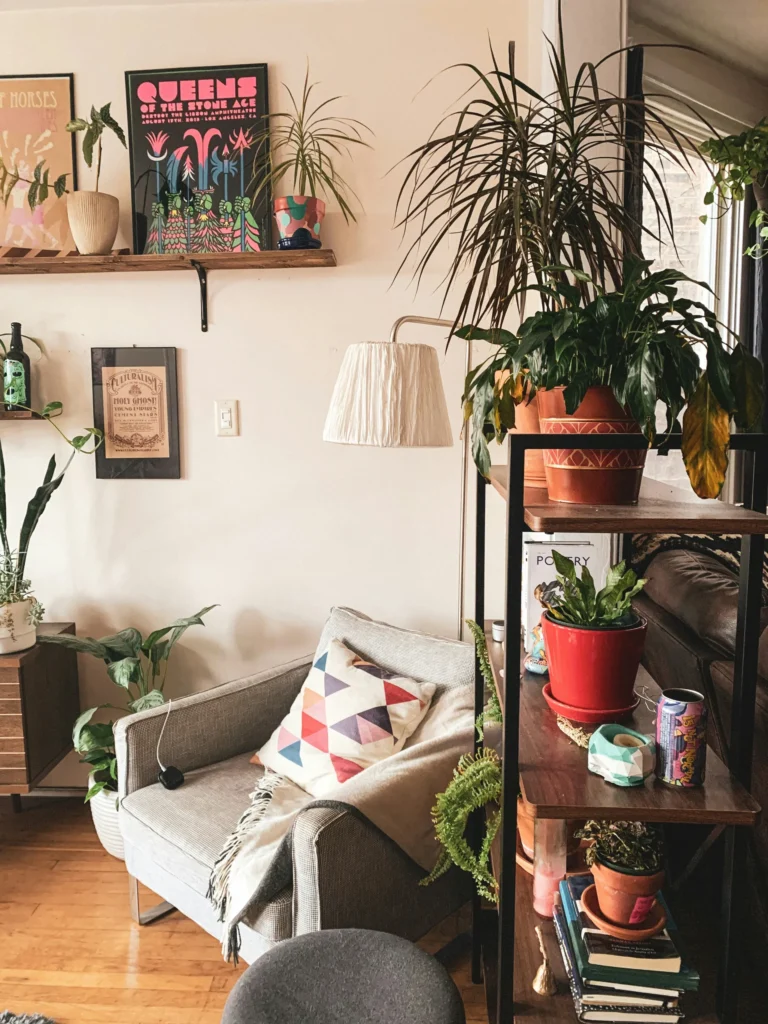
By Kylie Harding Styled to Sell  Perfection is overrated – it’s not just something I tell myself and my clients; it’s something I truly believe.  Most of us don’t want to live in a display home devoid of personality – our homes should reflect who we are and show off things we love. Living in clutter, however, has been shown to affect our mental and physical health, so how do we find balance? DECLUTTERED DOESN’T MEAN MINIMALIST. Decluttering is not the same as stripping everything back to essentials. It is removing unnecessary items from an untidy or overcrowded place, and only you can decide what is unnecessary. DON’T MISTAKE CLUTTERED FOR COSY. Hygge is the Scandinavian concept for cosy – time away from the rush, time to enjoy simple indulgent pleasures like candlelight and comfort food – it is more about slowing down and relaxing; cosy doesn’t involve surrounding yourself with ‘stuff.’ MY SELF-IMPOSED DECLUTTERING RULES. As a stylist and a sentimental person, I am tempted by beautiful things every day… So I have strict rules I follow – rules my family loves reminding me about (often). I also call in the experts sometimes. ONE THING IN, ONE THING OUT No matter what it is – whether it’s a new dress or a vase, if I bring it into the house, something must leave.  A PLACE FOR EVERYTHING AND EVERYTHING IN ITS PLACE. Scissors in the kitchen drawer, passports in the filing cabinet – life is less stressful when you know where things are and saves you money by not buying multiples of one thing – sticky tape anyone? If your rice cooker needs to live in the laundry, then it’s time to clear a space for it in the kitchen where it belongs. If your house doesn’t have good storage there are beautiful baskets for children’s toys, vacuum bags for excess clothes, and beds with base storage – make storage your friend. HORIZONTAL SURFACES ARE FOR DISPLAYING, NOT STORING. Have a lovely console in your entrance? Display a bunch of flowers and bowl for keys – not every book you own or everyone’s hats and shoes. The same goes for dining tables, bedside tables and chairs in bedrooms – they are not wardrobes.   WE ALL HAVE EXCUSES NOT TO ROLL UP OUR SLEEVES AND GET STARTED. “I HAVE NO TIME”. Set your timer and put on some music – start with 15 minutes and one area, like the dining table. I promise you the sight of a table set for a lovely meal with friends will put a smile on your face every time you walk past it. Make sure you take before and after photos too – it’s good to be reminded of your progress.    “I’M TERRIBLE AT MAKING DECISIONS”. You don’t always have to throw things out – sorting them and putting them into a box and then out of sight to make the final decision later is ok. 12 months later, if you haven’t missed anything it’s highly unlikely you want or need them. – move them on.  “MY WARDROBE IS A MESS, AND I DON’T KNOW WHERE TO START”. Fantastic Finds and Fabulous Things personal stylist Meaghan Smith suggests taking time to think about what clothes represent who you are now – pieces that work for you and your lifestyle. Once you’ve identified this, letting go of things is easy.  “I HAVE SO MANY SENTIMENTAL THINGS; I WANT TO KEEP THE MEMORIES ALIVE”. Mel McNamara from A Place to Call Home came across this situation so many times over the years in her role as a stylist – she created a company that takes professional photos and documents the stories of the people and the memories created in the home and compiles a beautiful coffee table book that honours the memories and can be passed onto future generations. GIVE BACK There are many local charities that will be grateful to receive your donations. Regularly decluttering my boys’ toy boxes was easier once I explained to them that there are many children in our society that would love to receive things they had duplicates of or had outgrown. In my role volunteering for a charity that sets up havens for women and children displaced by family violence I have seen first-hand how your donations change lives.   SURRENDER AND ACCEPT. For those of you who like to be surrounded by walls full of photos, get lost in a mountain of cushions on the sofa and have your entire library of books piled up around you – embrace it. It’s your space and it should feed your soul.  I’m off now to take a bag full of clothes to the local Salvos. Happy Styling!

Feng Shui for Calm Homes: Reduce Overstimulation & Stress
Home and Lifestyle

Feng Shui for Calm Homes: Reduce Overstimulation & Stress

By Suzanne Butler from Harmonising Energies Feng Shui Styling for mental wellbeing through feng shui In a world of constant notifications, emotional demands and pressure to always be “on”, many of us are living in a near-permanent state of nervous system overload. While therapy, mindfulness and healthy boundaries all play an important role, there is another influence quietly shaping how we feel each day – our home environment. From a feng shui perspective, your home is more than just a place to live. It is an energetic extension of you. When a space feels chaotic or misaligned, even the best self-care routines can struggle to take hold. A calm home does not just look peaceful, it helps regulate how you feel. Feng shui and the nervous system Long before modern neuroscience explored the connection between environment and mental wellbeing, feng shui recognised the powerful relationship between space and emotion. When a home feels out of balance, people often notice subtle shifts in how they experience daily life — difficulty switching off at night, restless sleep, irritability or a lingering sense of unease. These responses are not always personal shortcomings; sometimes they are simply signals that the environment is not supporting the nervous system as well as it could. Calm is flow, not minimalism One of the biggest misconceptions about calm interiors is that they need to feel stark or minimalist. From a feng shui lens, an overly empty space can feel just as unsettling as one that is cluttered. True calm comes from balance rather than absence. A feng shui-aligned home focuses on gentle flow and comfort. Furniture placement should allow easy movement through a room, helping energy circulate naturally. Key pieces such as beds and desks are ideally positioned so you can see the doorway without being directly in line with it, creating a sense of ease and awareness. Balance between yin and yang is also important. Too much brightness or activity can feel agitating, while heavy, dark spaces may feel stagnant. Rugs, artwork and thoughtfully grouped furniture can help create a sense of containment, allowing the body to relax and feel held within the space. Colour, light and sensory load Colour plays a powerful role in how a room feels. Highly saturated tones or excessive contrast can feel overstimulating, particularly in bedrooms, living areas and workspaces. That does not mean avoiding colour altogether, it simply means using it with intention and balance. Similarly, lighting has a profound impact on mood. Harsh overhead lighting can keep the body in a state of alertness, while layered lighting allows your home to support different rhythms throughout the day. Bright light can encourage focus and energy, while softer, warmer tones help signal rest. When clutter becomes emotional noise Clutter is not just a visual issue. In feng shui, unused or broken items, emotionally charged objects or belongings tied to past versions of ourselves can create energetic noise. Even when we stop consciously noticing them, our nervous system continues to register their presence. A calm home does not need to be spotless or minimal. Instead, it feels clear, intentional and supportive of who you are today. A home that supports, not performs It is easy to create a space that looks beautiful on the surface yet feels oddly uncomfortable to live in. True wellbeing comes when a home supports both rest and productivity, reflects your current life and allows you to soften rather than brace. Calm is not about buying more or chasing perfection. Often, it begins with small shifts like moving furniture, adjusting lighting or letting go of what no longer serves you. When a home feels aligned, it becomes more than a showpiece. It becomes a quiet source of support in an overstimulated world.

FOR ART’S SAKE
Home and Lifestyle

FOR ART’S SAKE

Artwork has a quiet way of transforming a space. The right piece can soften a room, add depth, or tell a story about who you are and where you have been. Yet many people find themselves asking the same questions: What art should I buy? Where do I find it? And once I have it, where does it actually go? While art should always reflect your personal style, there are a few simple considerations around size, scale and placement that help a piece feel naturally at home within a space. When those details are right, the room instantly feels more balanced and complete. Where to start Take a look around your home. Are there walls that feel sparse or lacking personality? If you are unsure, try taking photos of your rooms and viewing them as a two-dimensional image. Seeing the space from a different perspective often makes it easier to spot areas where artwork could add interest and elevate the overall look. Why add art? Art has the power to set the tone of a room. It can feel elegant, playful, cultured or calming, depending on the pieces you choose. Artwork might reflect your personality, celebrate your travels or simply introduce colour and texture. Even a single thoughtfully placed piece can transform the atmosphere of a space. Make it personal Some of the most meaningful displays come from your own memories. Travel photographs, favourite family moments or meaningful milestones can create a beautiful gallery wall while keeping special experiences front of mind. Framed movie posters from a local cinema or concert tickets from a memorable night out are also creative ways to showcase your interests and spark conversation when guests visit. Think outside the box Artwork does not always need to be a traditional canvas. Macramé wall hangings, vintage rugs or even textiles such as kimonos can look striking when displayed on a wall. These unexpected pieces add texture, warmth and a sense of individuality to a room. The power of framing Never underestimate the impact of a good frame. When displaying a collection of photos or prints, sticking to one or two frame styles helps create a cohesive look. Classic black or white frames often feel timeless and allow the artwork itself to remain the focus.

The Command Centre Every Mother Deserves: Meet The Skylight Calendar
Home and Lifestyle

The Command Centre Every Mother Deserves: Meet The Skylight Calendar

There is a specific kind of “mental load” that comes with modern motherhood. It’s the invisible weight of remembering that Tuesday is library day, Thursday is soccer practice and digging through the depths of your inbox for a school PDF with the exact time of the choir assembly. For many mothers, the family “command centre” is still a messy fridge covered in magnets or a frantic scroll through emails. A digital calendar like Skylight offers a more visible, shared way to keep a household on track. Designed to help families stay in sync, it can reduce some of the day-to-day friction that comes with managing multiple schedules, appointments and responsibilities. With Mother’s Day approaching, it fits naturally into the category of gifts that feel both thoughtful and genuinely practical. Beyond the basic schedule At first glance, the Skylight Calendar is a 15-inch HD touchscreen designed to sit comfortably in a kitchen or shared family space. But its value lies less in how it looks and more in how it functions within a busy household. Unlike traditional apps that stay tucked away on individual phones, a digital calendar in a central location creates a shared point of reference for the whole family. It can sync with platforms such as Google, iCloud, and Outlook, helping bring multiple schedules into one place. With dedicated Family Profiles, each person has their own colour, making it easier to see at a glance who needs to be where and when. The two-way sync also means changes made on a phone during the day can be reflected on the screen at home, which can help reduce the back-and-forth that often falls to one person to manage. Solving the dinner dilemma The most common questions in any household is “What’s for dinner?” Having meal planning built into the same family hub can make everyday decisions feel a little less scattered. Skylight allows users to map out breakfast, lunch and dinner for the week, which can help take some of the pressure off last-minute planning. There are also features designed to make meal organisation more manageable. Using the Fridge Photo function, families can take photos of what they already have and receive recipe suggestions based on those ingredients. Recipes from magazines, handwritten cards or screenshots can also be added digitally using Magic Import, helping to keep everything in one place. For mothers carrying the cognitive load of planning meals, shopping and prep, small systems like these can make a meaningful difference. Motivating the little humans Another challenge many mothers face is not just keeping track of what needs to be done but reminding everyone else to do their part. The Interactive Chore Chart is designed to give children more visibility over their own routines, allowing tasks to be clearly displayed and ticked off once completed. For some families, that can help shift chores from being constant verbal reminders to something more independent and consistent. For households using the Plus plan, the Star-Powered Rewards system adds an extra layer of motivation, with children earning stars for completing tasks and working towards small rewards. More broadly, it can support a stronger sense of shared responsibility at home and make the invisible work of running a household a little more visible to everyone. A gift that keeps on giving When it’s not being used as an organisational tool, the Skylight Calendar can also display family photos, allowing it to feel like a natural part of the home rather than just another piece of tech. As Mother’s Day approaches, useful gifts often resonate more deeply than symbolic ones. A digital calendar like Skylight does not claim to solve the complexities of motherhood, but it can help ease some of the small, cumulative stresses that build up over time. By creating one central place for schedules, meals, chores and reminders, it offers mothers something many of them need more of: a little more clarity, and a little less mental clutter. It is now available for purchase at JB Hi-Fi and the Skylight website. au.myskylight.com/calendar

Create an outdoor area you’ll use all year round
Home and Lifestyle

Create an outdoor area you’ll use all year round

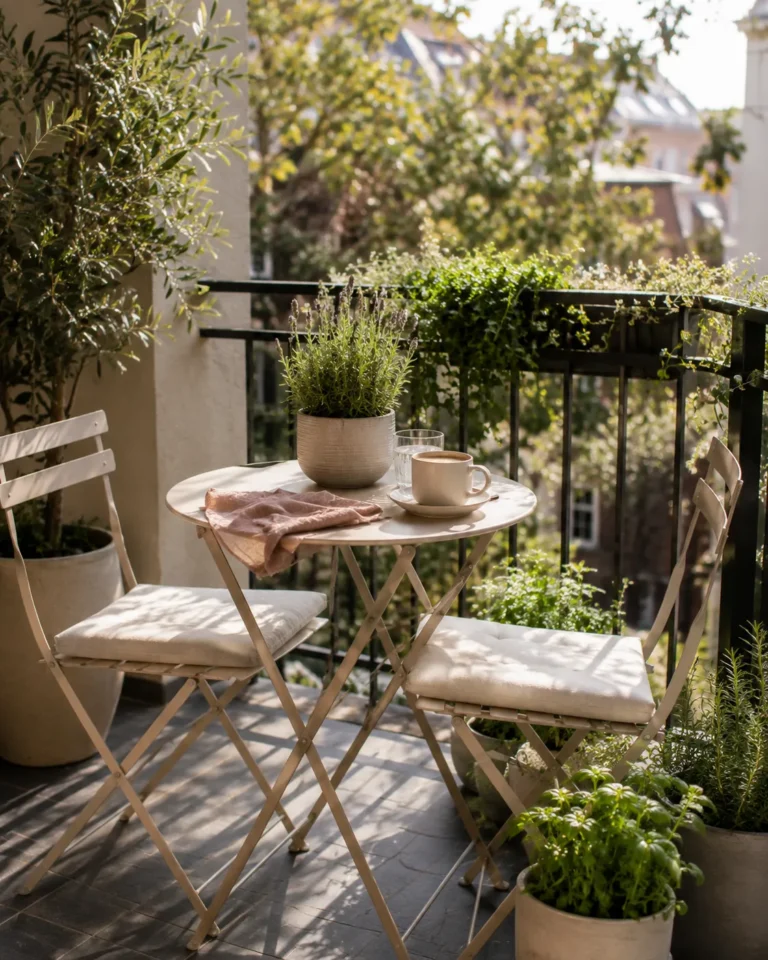
By Kylie Harding  No matter where you live in Australia, we all love the idea of entertaining outside. Whether you have a balcony, courtyard or a full backyard, the key to creating a space you’ll enjoy year-round is thoughtful planning and a few smart design choices.  Decide how you’d like to use the space Do you have young children who want to ride their tricycles around? Do you love hosting family and friends, or are you a couple looking for a quiet place to unwind? Deciding how you’ll use your outdoor area will guide every decision—from flooring and furniture to whether you need a roof, heating or cooling, and what finishes and fittings will work best. This is also the time to plan for practicalities such as power points, lighting, and plumbing for water or gas.  Bring the inside out Your outdoor area should feel like an extension of your home. Mirroring your interior style outside creates flow and connection. If you have a soft, neutral palette indoors, stick with similar tones outdoors. If you love colour, let it continue outside too. Extending your flooring—such as tiles or timber—into the outdoor area creates a seamless transition. Glass doors that slide or fold open will also help blur the boundaries between indoors and out, creating a beautiful sense of space.  Give me shelter Having some form of roof or cover will ensure you can use your outdoor space all year round—rain, hail or shine. Options range from simple sail shades to adjustable louvred roofs, catering to every style and budget. Side blinds can also help protect from rain or harsh sun, creating a true outdoor room that’s comfortable in any season.  Accessorise Pot plants, cushions and candles add warmth and character. Choose heavy pots that won’t topple in the wind and opt for outdoor-friendly fabrics to prevent mould or fading. Practical additions like heaters, ceiling fans, speakers, TVs or even pizza ovens can turn your outdoor area into a space you’ll actually use.  Creating an outdoor space you can enjoy year-round is about more than furniture or plants—it’s about designing a setting that invites you to slow down, connect and enjoy every season. With a few thoughtful touches, your outdoor area can become the most loved “room” in your home.  Happy styling, Kylie @styledtosell